
 Gaby
Gaby
HouseWife delves into what it means to “burn fat,” how to curb appetite, and what to eat for weight loss.
When is weight considered excessive?
Excess weight is the difference between your actual weight and a standard measure: the body mass index (BMI). BMI is calculated by dividing your weight (in kilograms) by your height squared (in meters).
For example, if you weigh 65 kg and are 1 meter 70 centimeters tall (1.7 m), you first square 1.7 to get 2.89. Then divide 65 by 2.89, which gives you 22.49. That’s your BMI. A BMI below 18 indicates underweight, a range from 19 to 25 is considered normal, 25–30 indicates overweight, and any number above 30 signifies obesity.

This calculation, based on the Quetelet formula, has been in use since the late 20th century. Before that, people used the Broca method: since the 19th century, optimal weight was often calculated by subtracting a fixed coefficient from height in centimeters. For heights up to 165 cm the coefficient was 100; for 175 cm it was 105; and for heights above 175 cm it was 110. So for someone 166 cm tall, the normal weight would be considered 61 kg.
The next refinement of the normative weight formula took age into account. For those aged 20–30, the “ideal” weight was reduced by 11%, while for those over 50 it was increased by 6%.
Currently, the criteria for healthy weight are being reassessed: new standards should consider body fat percentage and distribution, the ratio of muscle to fat, and gender differences in body composition.
Researchers from the Perelman School of Medicine (University of Pennsylvania, USA) suggest that the relationship between obesity and health is more complex than previously thought. In some situations, excess weight may not be clearly harmful and can even be protective against certain diseases; for example, some people with higher BMIs have a lower risk of cardiovascular disease and a better metabolic profile than people with an “ideal” BMI. Previously, obesity was treated as uniformly dangerous. Scientists now say more research at the cellular level is needed to explain these findings. Still, the health risks tied to excess abdominal fat are indisputable.
What dangers do diets pose?
If you have health issues, losing weight through dramatic food restriction can be dangerous. Doctors advise against rapid weight loss and unbalanced diets. In a mono-diet (such as liquid, cheese, egg, or apple diets), the focus on a single food deprives the body of essential nutrients. Eating large amounts of apples can cause heartburn, aggravate gastritis, and lead to ulcers; a citrus-heavy diet can trigger allergies; a carrot-only diet may result in jaundice; and an all-protein diet can cause colitis.
Only gradual weight loss gives your metabolism time to adjust and allows skin and muscles to tighten. For safe weight loss, aim to lose no more than 1–2 kg per month. If you lose 5–7 kg in the first two weeks, those pounds can quickly return, often with additional weight. The short-term satisfaction of a slimmer figure can be replaced by metabolic and hormonal imbalance. Be prepared for possible liver and bile problems, bloating, diarrhea, dark circles under the eyes, and premature wrinkles.
If a diet lasts more than five days, the body can become deficient in water-soluble vitamins, which may reduce vision, impair enzyme function, disrupt the nervous system, and cause sleep problems.
During fasting you may develop calcium deficiency (because very low-fat dairy reduces the absorption of this micronutrient), and iron deficiency (since most restrictive diets cut out meat), which can lead to anemia. Many diets increase fluid excretion, causing the kidneys to lose sodium and potassium and potentially resulting in lethargy and cardiovascular problems.
When nutrition is severely restricted, the body craves glucose: excluding carbohydrates often causes headaches and reduced brain activity. Along with cognition, work performance and mood suffer. Quality of life drops with such extreme weight loss. Improper diets are particularly risky for people with chronic conditions, which is true in roughly 80% of cases. Eating smaller, more frequent meals helps avoid the negative consequences and prevents uncontrollable hunger attacks that derail weight-loss efforts.

How is food processed?
To lose weight, it helps to understand how digestion and absorption work. Food processing begins in the mouth, and digestion continues in the stomach. Alcohol, water, water-soluble micronutrients, and simple sugars leave the stomach fastest. The rest of the food is transformed in the stomach—under the influence of hydrochloric acid, mucus, and gastric enzymes—into chyme, a semi-liquid substance that moves into the intestines. Processing and absorption in the small intestine take about three hours, while the movement and dehydration of undigested remnants in the large intestine takes about fourteen hours.
Nutrients pass into the bloodstream at different rates: liquids can leave the stomach in minutes and carbohydrates are generally processed within two hours, proteins often take over three hours, and fats can take up to five hours. Fats cannot be converted into proteins, but other transformations occur during digestion to meet the body’s needs.
In the small intestine, proteins break down into amino acids, fats into fatty acids and glycerol, and carbohydrates into simple sugars like glucose, fructose, maltose, and galactose. These absorbed components enter the bloodstream and lymphatic system and travel to organs.
Amino acids are handled by the liver and then carried by the bloodstream to tissues where they help build muscle and form enzymes. When carbohydrates are scarce, amino acids can be converted into simple sugars to provide energy; when amino acids are in excess, they can be turned into fatty acids and stored in adipose tissue.
Simple sugars are converted in the liver into glucose, which the body uses for energy or stores in the liver and muscles as glycogen for emergency energy reserves. Excess glucose is turned into fatty acids and stored in fat tissue. During periods of nutrient shortage or increased physical activity, the body can convert fat reserves into energy.

How to burn fat?
When calorie intake drops, the body compensates for the energy deficit by burning subcutaneous fat, and physical activity accelerates that process. During the first half hour of exercise, the body primarily uses glucose from the blood; after that it shifts more toward burning fat. If you combine exercise with a modest caloric reduction—about 200 kcal per day—you could lose roughly 0.5 kg in a week. Some dietary supplements claim to speed fat breakdown. The following substances play a role in that process.
Oxygen
Oxygen is a key accelerator of fat burning, which is why outdoor exercise and activities in fresh air often feel more effective than indoor workouts. Fitness coaches recommend walking more and practicing breathing exercises. It’s important not only to breathe in oxygen but also to carry it efficiently in the blood. Iron-rich foods—liver, red meat, buckwheat, figs, apples, and kiwis—support hemoglobin, which delivers oxygen to organs and tissues. To help iron absorption, combine animal products with plant foods that are rich in vitamin C.
L-carnitine
L-carnitine acts as a shuttle for fatty acids into the cell’s energy center and plays a role in regulating cell metabolism and energy production. It can increase endurance during exercise and help the body use fat for fuel without depleting glucose, which is why some athletes use it when they want to reduce weight before competitions.

Guarana, ephedrine, caffeine
Compounds like guarana, ephedrine, and caffeine raise energy expenditure from fat reserves, speeding up metabolism and increasing blood flow. However, long-term use of stimulants can damage the heart and nervous system and may trigger serious events such as cardiac crises. By supplying short-term energy “on credit,” these substances can exhaust the body and lead to later fatigue.
To boost energy and support fat burning alongside exercise, opt for coffee in moderation, green tea, ginger, and spicy seasonings. Remember that weight loss depends on energy balance. In starvation diets, combined with excessive physical and mental stress, the body shifts into an energy-saving mode and moves from burning fat to breaking down muscle and using glycogen. Rapid weight loss is often more harmful than helpful.
Foods for weight loss
You can safely shed excess weight by adding the right foods to your diet.
Baking soda
If the body’s pH tilts toward acidity, metabolic processes can slow and oxygen uptake can worsen. Baking soda neutralizes excess acidity. For preventive use, some people take half a teaspoon in a glass of hot water or milk in the morning on an empty stomach. Baking soda can help restore acid-base balance, ease kidney function, support B-vitamin activity, and affect protein and lymphocyte levels.
Whey
This byproduct of cheese production separates when sour milk is heated and yields a liquid rich in vitamins and minerals. Whey can help eliminate toxins and has a mild laxative effect. Many people include whey freely in weight-loss diets.
Cucumber
Cucumbers contain only about 15 kcal per 100 g and are roughly 95% water, so they quickly flush toxins and help you feel better while losing weight. They contain tartaric acid, which can help prevent carbohydrates from converting into fats. Cucumbers are a source of vitamins B, A, C, and P, plus phosphorus, magnesium, iodine, calcium, iron, and fiber, which supports intestinal peristalsis and digestion. They contain enzymes that aid absorption of animal proteins, which is why cucumbers are often paired with meat. Regular cucumber consumption may help reduce gallbladder and bile-duct stones. The vegetable acts as a mild diuretic and can reduce swelling. Doctors often recommend cucumbers for people with kidney and liver issues, cardiovascular and nervous system disorders, gout, and obesity.

Tomato
Tomatoes and tomato juice contain about 25 and 20 kcal per 100 g, respectively. Tomatoes can reduce feelings of hunger, quickly satisfy the body, and have a positive effect on metabolism. People trying to lose weight sometimes use tomatoes for detox days, during which they drink a liter of fresh tomato juice or consume up to 2 kg of ripe tomatoes daily. Avoid canned tomatoes if you have cardiovascular disease, kidney problems, or hypertension. People with gallstones, gastritis with high acidity, or stomach ulcers should eat tomatoes with caution. Do not drink tomato juice on an empty stomach.
Zucchini
Zucchini has only about 23 kcal per 100 g, is 94% water, and is virtually fat-free, making it an excellent dietary vegetable. It provides vitamins C, B1, B2, and carotene, plus minerals such as molybdenum, zinc, lithium, aluminum, calcium, potassium, phosphorus, iron, sulfur, and magnesium. The potassium-to-sodium balance helps maintain fluid and salt balance and supports the elimination of excess fluid. The high fiber content improves digestion and metabolism. Zucchini are easy to digest, so they are often recommended for children, detox days, diabetic diets, and people with gastrointestinal problems. You can eat zucchini with the skin on.
Corn
Corn is rich in carbohydrates and provides calcium, magnesium, iron, phosphorus, nickel, copper, potassium, and vitamins B, A, E, and PP. Corn kernels contain tryptophan and lysine, amino acids the body cannot synthesize and that help regulate cholesterol, keep muscles toned, support bile flow, and prevent fermentation in the intestines. Corn can be helpful for diabetics because it helps stabilize blood sugar and can aid with anemia, metabolic disorders, anorexia, and obesity. Nutritionists value corn for its potential to reduce “bad” cholesterol and support fat-burning digestion. In dietary nutrition, prefer boiled corn, since canned corn is less nutritious.
What should you eat to lose weight?
When the body gets used to overeating, cutting calories can feel harsh: programmed enzymes and stomach acid kick in and trigger hunger. Another reason for excessive appetite is unbalanced nutrition. A deficiency of certain vitamins and minerals can distort taste and create constant hunger even after a large meal.
A herbal blend—so-called phytotea—can help break food dependence. Parsley, barley, celery, mint, and other greens can aid weight loss. The method of losing weight with herbs is sometimes called phytoloss. This is not a quick fix: herbs should be brewed and consumed over several months. Over time, a stretched stomach can shrink and healthier eating habits can develop.
Green tea
Green tea fits into most diets: it supplies antioxidants and can help curb hunger.
Parsley with company
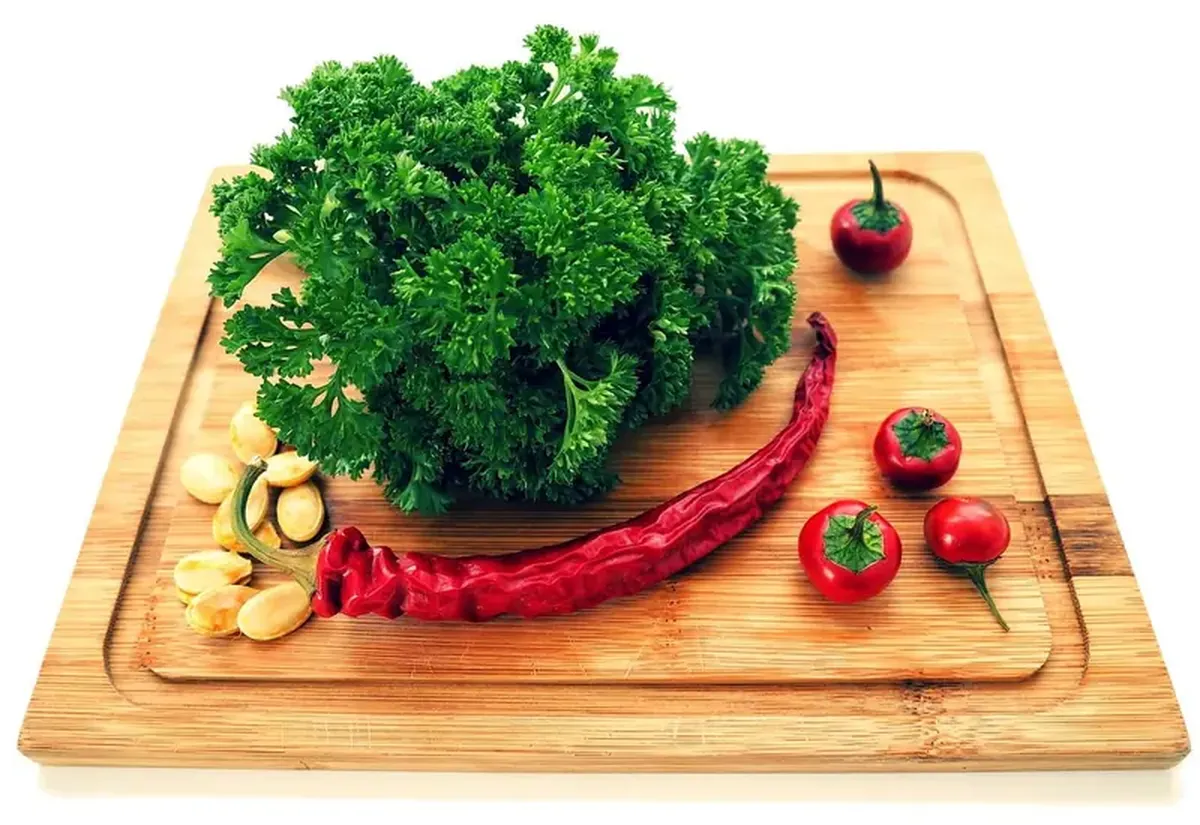
Brew a teaspoon of dried parsley in a glass of water and drink it when you feel hungry. For a stronger decoction, add fennel, anise, flaxseed, and dill.
Mix and match components
Phytoloss works better when you combine and rotate different plants. Make decoctions from currant leaves, mint, rose hips, and hawthorn and drink them together or in rotation. Use such phytotea as a base drink on detox days. One detox day per week—abstaining from solid food in favor of phytotea and fresh juices—is usually sufficient for weight loss.
How to reduce appetite?
To lose weight, include foods that reduce appetite. A ravenous appetite is not always tied to physical activity. A study at Brigham Young University (USA) found that intense, hour-long exercise does not increase appetite; on the contrary, it can suppress hunger. Participants showed a reduced nerve response to appetizing images after exercise and an increase in activity levels. The researchers concluded that exercise not only burns calories but also helps regulate appetite and prevent overeating.
Yoga diet
Practice asanas: they can be as effective as dynamic exercise. Eat less and drink more. Take small portions and don’t eat while standing. On waking, slowly drink a cup of warm water with lemon juice through a straw over half an hour to help suppress appetite and support cleansing of the blood, intestines, and liver.
For a strict short-term plan aimed at rapid weight loss and cleansing, consume only the following products for 40 days: for four portions, use one pack of low-fat cottage cheese, 4 zucchinis, 4 stalks of celery, and a sprig each of mint and parsley. Steam the zucchinis and celery until soft, then blend them into a puree with parsley, mint, and coarsely ground black pepper. Serve the puree with the low-fat cottage cheese.

Leafy vegetables
All types of cabbage, spinach, and celery help reduce appetite because the body uses a lot of energy to digest them. Their slow processing blunts hunger and makes rapid absorption unlikely, so they don’t promote weight gain.
Pine nuts
Pine nuts are rich in fatty acids that trigger production of cholecystokinin, a hormone that promotes satiety. A small handful can satisfy hunger for a long time.
Olive oil
Olive oil quiets appetite quickly thanks to its healthy fats.
Hot food
Warm dishes, especially hot soups, affect the brain through aroma and can create an illusion of fullness. Cooked food delivers more usable energy than raw ingredients. Because processing food increased the calories available to humans in times of scarcity, researchers note that today we often consume more energy than we need, so reducing processed foods and shifting toward more raw vegetables can make sense for many people.

Correct weight loss plan
Overeating and a sedentary lifestyle are not the only enemies of a healthy figure. Often, the cause of excess weight comes from inside the body.
Hypothyroidism
Improving nutrition won’t yield results if thyroid hormone levels are low. While hypothyroidism occurs in about one in a thousand men, it is diagnosed nearly 20 times more often in women. Reduced thyroid hormone production slows metabolism and leads to gradual weight gain. This condition can be linked to iodine deficiency or hormonal imbalance such as low progesterone.
Digestive issues
Another hidden cause is sluggish gastrointestinal function, which prevents adequate enzyme production for digestion and nutrient absorption. That impairment can result in weight gain.
Fluid retention
Kidney dysfunction can cause water retention. In those cases, doctors often advise eliminating salt from the diet and prescribe diuretics with compensators to prevent loss of essential nutrients. Daily salt intake for healthy people should be limited; with processed foods, we often consume far more than needed.
Chromium deficiency
Chromium helps regulate fat metabolism, lower “bad” cholesterol, and protect blood vessels from hardening. When chromium levels fall, unused glucose can convert to fat, causing weight gain without changes in activity or diet. In such cases, a dietitian can use laboratory analysis to identify the cause of unexplained weight gain.
So, rules for weight loss and dietary norms are individual. Some people can maintain a healthy weight with small dietary changes; others may need professional help to reach their goals. A comprehensive approach to weight loss combines an appropriate diet, physical exercise, and, when necessary, medical therapy.
