
 Gaby
Gaby
Hercules, the Roman version of the Greek hero Heracles, is one of antiquity’s best-known figures. For centuries, a marble statue of him lay buried under the Parco Archeologico dell’Appia Antica and was uncovered during emergency repairs to an old sewage system. The park houses many ancient monuments, including a stretch of the Appian Way—the road that once linked Rome to Brindisi—as well as villas and tombs.
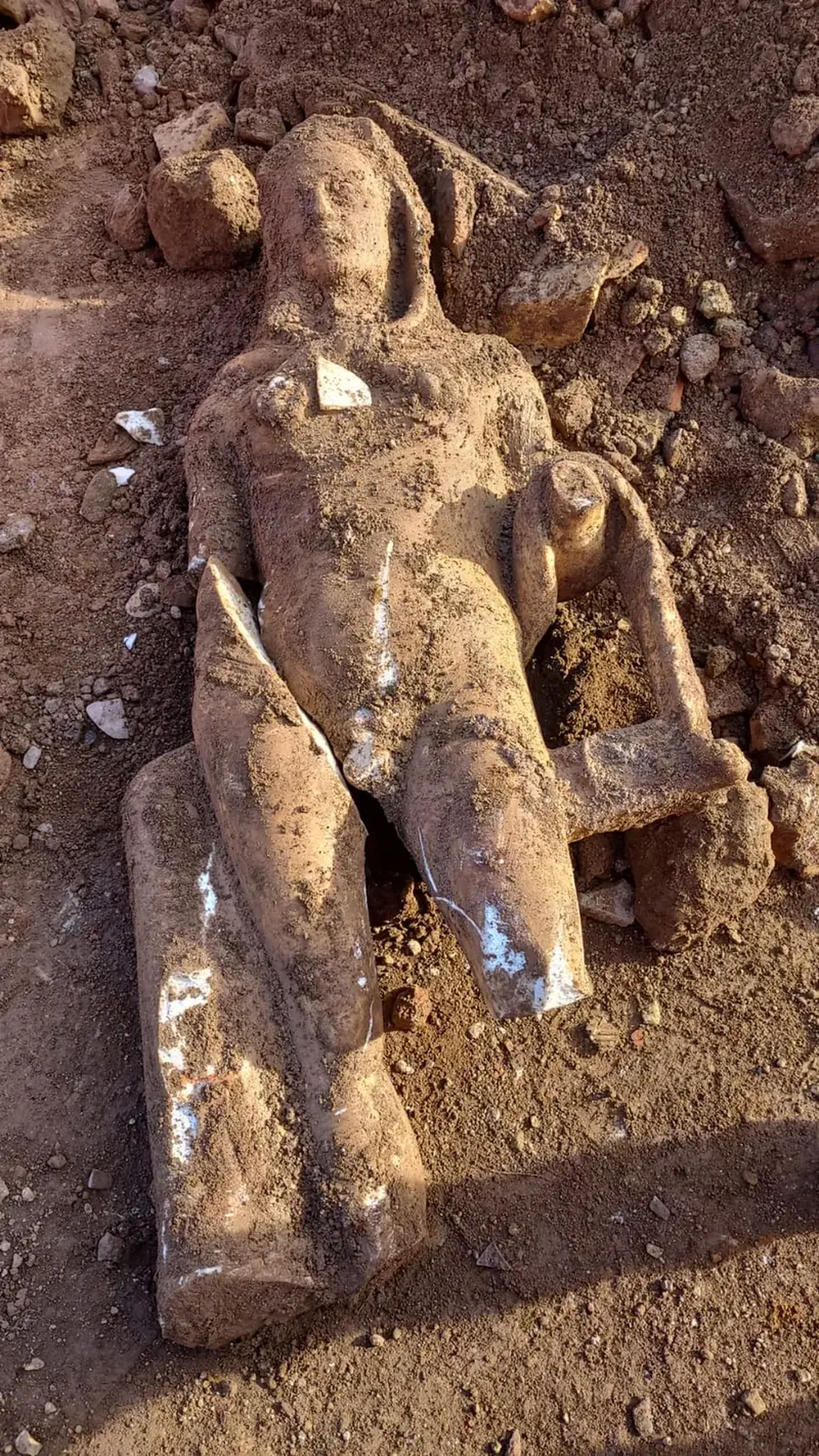
Repair workers responding to an emergency call noticed a nearly intact, life-size statue of Hercules about 20 meters below ground. The mythological figure is depicted wearing a lion’s skin and wielding a club, his characteristic weapon, Heritage Daily reports. Experts estimate that the marble figure was created between 27 B.C. and 476 A.D.
On the Parco Archeologico dell’Appia Antica Facebook page, park officials suggested that the statue might represent Emperor Gaius Messius Quintus Trajanus Decius, who associated himself with Hercules by wearing a lion’s skin. Decius was emperor of the Roman Empire from 249 to 251 A.D.

Romans adapted the myths of the Greek hero Heracles into their own Hercules, adding new stories. Ancient Roman aristocrats regarded him as a god, and some emperors, including Commodus and Maximian, worshipped him.
