
 Gaby
GabySwedish engineers have designed a unique electric highway. It will be built on a 13-kilometer stretch of the European route E20, between Hallsberg and Örebro.
Swedish authorities decided to pursue the innovative road after the European Union passed an environmental law requiring that all new cars sold from 2035 have zero carbon emissions.
Jan Pettersson, director of strategic development at the Swedish Transport Administration, said electrifying highways is essential for “decarbonizing the transport sector.”
The project is currently in the procurement stage. The electrified road will be fully operational by 2025.
In 2018, Sweden tested the world’s first charging road: a 1.6-km section that connected Stockholm-Arlanda Airport with a logistics complex in Rosersberg.
Advantages of the new highway
The project will help preserve the environment. Thanks to the new highway, the use of fossil fuels will take a back seat and eventually become a technological relic.
The electrified road will also save drivers time because they won’t need to stop at gas stations. According to experts, combining dynamic charging with stationary charging could allow for about a 70 percent reduction in battery size.
Passenger and cargo vehicles will be able to charge while traveling through the central part of the country. Along this route are three major Swedish cities: Stockholm, Gothenburg, and Malmö.
So far, the final method for charging cars on highways has not been determined. Specialists are considering three types of charging systems: contact, inductive, and conductive.
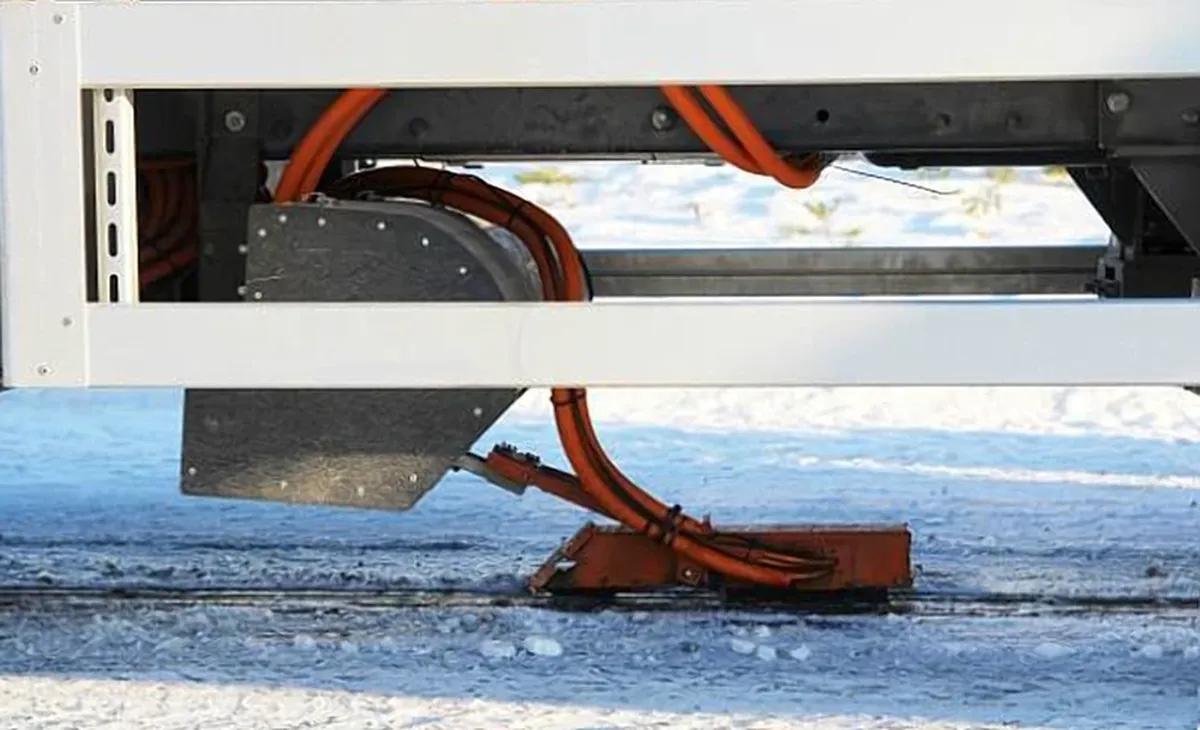
The contact system, suitable for large trucks, uses overhead wires similar to those that power buses and trams, the Daily Mail reported.
The conductive system works like a wireless charger for smartphones. Electric vehicles receive energy from a platform or plate embedded in the road.
Meanwhile, the inductive charging system uses equipment hidden beneath the road surface. From there, a control module transmits electricity to the car’s charging receiver.
By 2045, Sweden plans to electrify 3,000 kilometers of roads. Specialists in the country are actively collaborating with German and French counterparts, conducting joint research and exchanging experience. Sweden and Germany already have demonstration projects on public roads, while France is one step away from creating an experimental section of an electric highway.
