
 Gaby
Gaby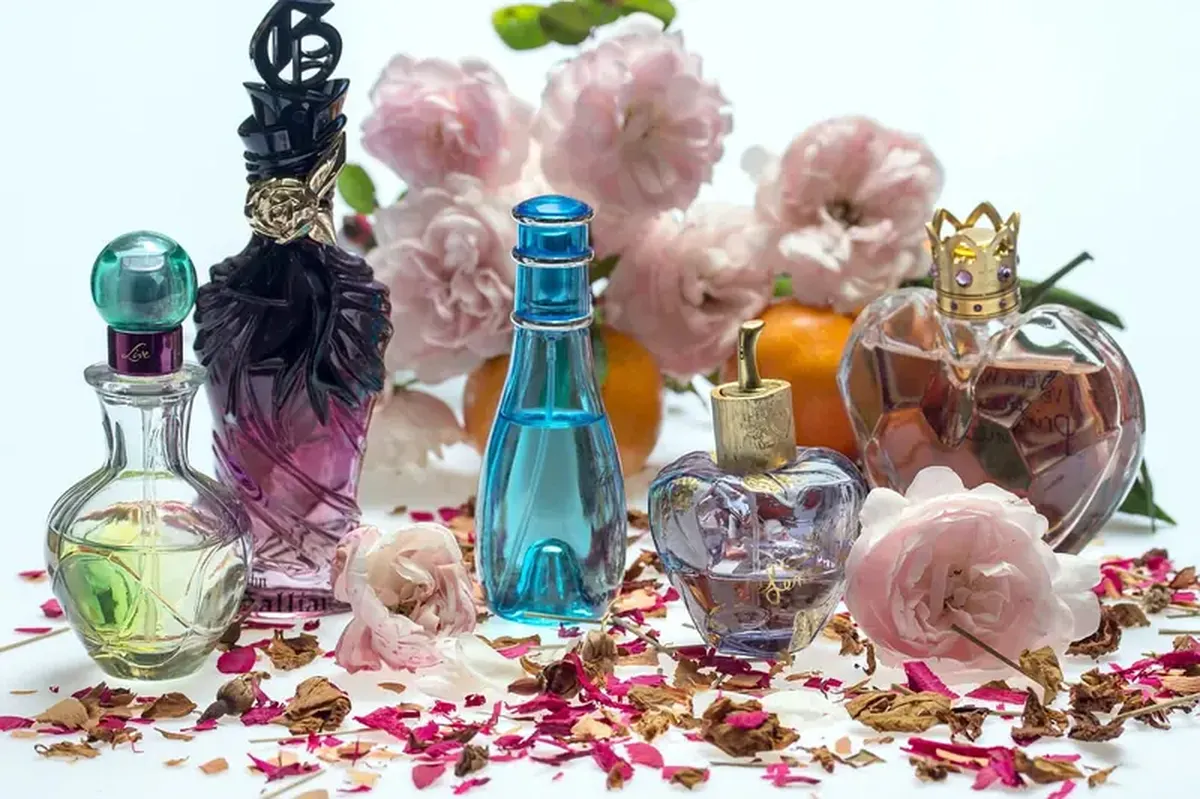
A perfumer, much like a composer, works with notes. But while a composer can write down a score, perfumers must keep their recipes secret. The fate of an original aromatic composition is to be born, unfold, and then evaporate. Once the bottle is empty, the perfumer’s creation is gone for good. And that’s not the only kind of magic involved. A scent shapes first impressions, influences mood, defines emotional states, and even highlights personal traits. What should we know about our fragrant companions? We’ll look at the history and types of perfume, their benefits and risks, how to apply them, how to check for authenticity, how to choose the right fragrance, and how to make perfume at home.
The History of Fragrance
The French word “parfumer” means “to fill with aroma” and comes from “fumer” (to smoke or incense), reflecting perfume’s original role in scenting the air for religious rituals. Though France is now the center of the perfume industry, the art of making fragrances began in ancient Mesopotamia and Egypt. In the second millennium B.C., the Mesopotamian perfumer Tapputi practiced multiple distillations of flowers and calamus oil mixed with other aromatic substances. Ancient Egyptian perfumers used flowers, herbs, conifer resins, and spices. Early perfumery materials included myrtle, coriander, almond, and bergamot. The ancient Egyptians even had a god of fragrance, Dedun.
Aromatic oils are mentioned in the Bible, and the oldest perfumes were found near Greece—at an ancient perfumery workshop in Pyrgos where they date back 4,000 years. Perfumery flourished in Ancient Rome and Persia; modern researchers have even recreated a fragrance associated with Julius Caesar. The Persian scientist Avicenna developed rose-based perfumes using distillation techniques. Europeans only began to gain wider access to perfumery knowledge in the 14th century. The first perfume producers in Europe were actually Hungarians, who created “Hungary water” for Queen Elizabeth in 1370. Perfume recipes reached France from Italy in the 16th century, brought by René Florentin, Catherine de’ Medici’s personal perfumer.
Worth Its Weight in Gold
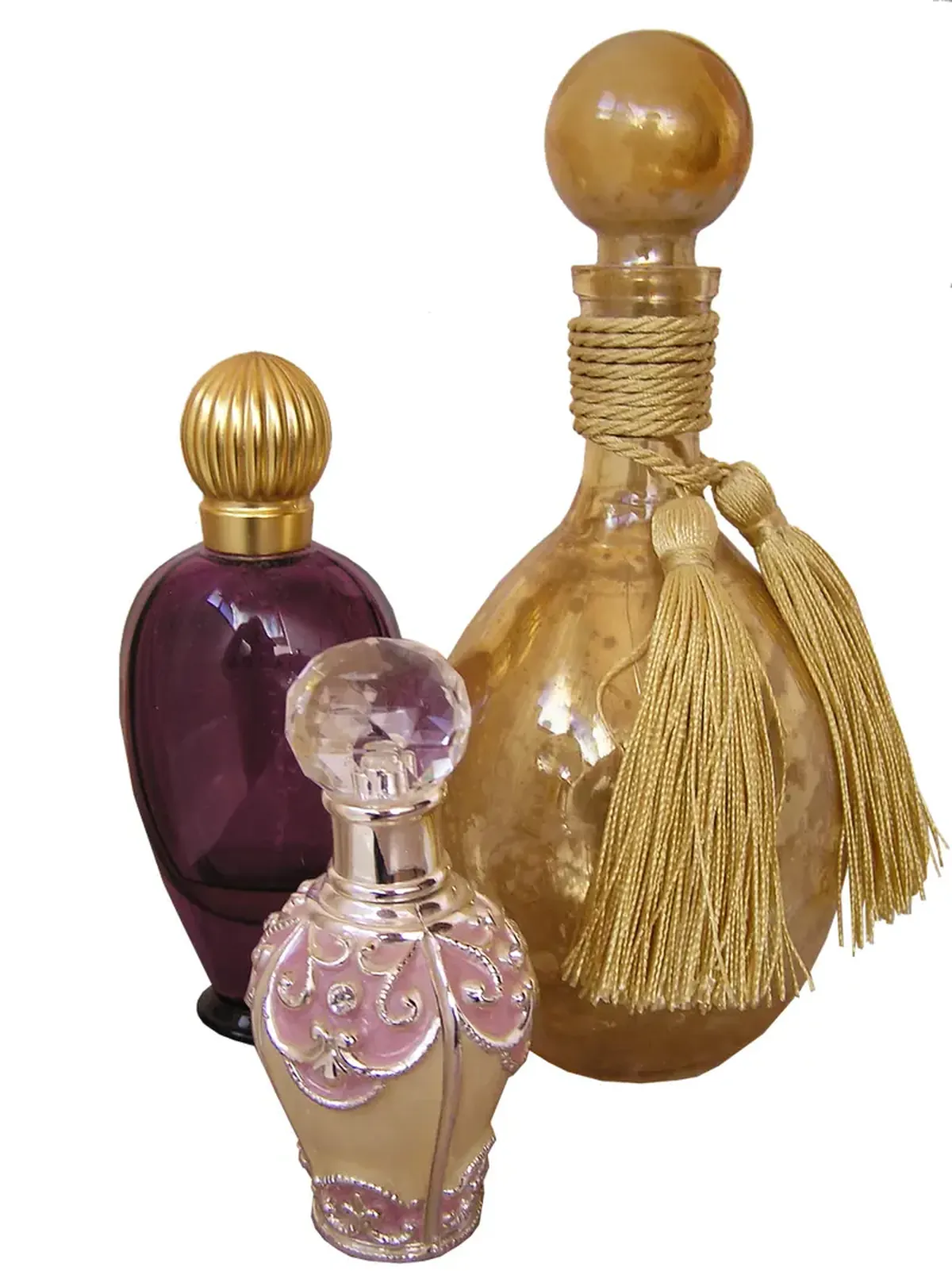
France became the global center of perfumery largely because of farmers in Provence. Rolling lavender fields are the hallmark of the French Riviera, and the region has grown plants for perfumes since the 16th century. Ironically, the fragrant center developed around the once-smelly town of Grasse, which in the 12th century was known for leather tanning. A favorable climate for growing perfume crops helped local residents escape the stench of leather production. The outskirts of Grasse are famous for fields of lavender, rose, jasmine, orange blossom, and mimosa.
Over time, the perfume industry replaced the leather trade, and this area between the Alps and the Côte d’Azur became a hub for perfume production. Fragrances for many of the world’s top couturiers are created here. It’s no surprise that celebrated brands like Chanel, Dior, Yves Saint Laurent, Lancôme, Chloé, Guerlain, and Thierry Mugler were born in France. Even foreign companies often produce fragrances in France in collaboration with leading perfumers—so-called “noses.” The number of truly elite noses worldwide is small, making their expertise extremely valuable.

The Magic of Combinations
Science backs up our fascination with scent. Researchers have shown that fragrances affect the brain and behavior: some scents calm stress, while others stimulate alertness, sharpen reactions, improve memory, or boost productivity. Certain fragrances can help counter depressive symptoms and improve mood in people with mental disorders. Some aromatic compounds—vanilla among them—can influence neurotransmitters such as dopamine and serotonin, which are linked to pleasure and reward.
Energy-boosting scents include citrus, marine, and green fragrances. Orange and lemon aromas invigorate the nervous system, improve concentration, and can help the body resist colds. Rosemary, laurel, thuja, mint, eucalyptus, and basil help fight fatigue. Calming scents include geranium, rose, jasmine, fennel, juniper, lavender, chamomile, and sage. In classical French classification, scents fall into categories such as citrus, floral, woody, chypre, leather, oriental, and fougère. Broader classifications add amber, animalic, musky, fruity, spicy, green, coniferous, balsamic, aquatic, mineral, powdery, aromatic, gourmand, sweet, and aldehydic notes.
Types of Perfumes
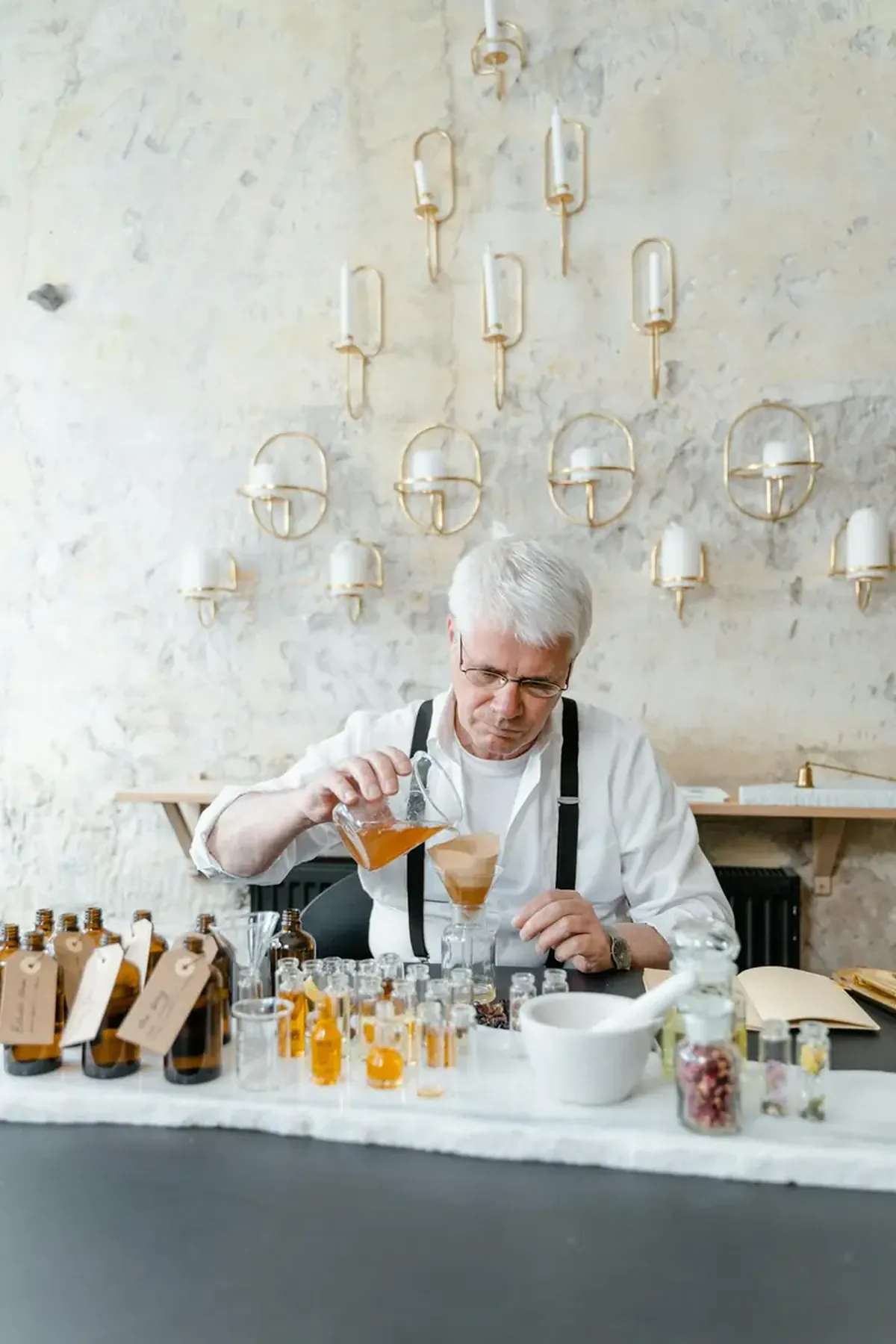
Perfumes come in various forms: liquid (alcohol-based, aqueous-alcoholic, or oil-based), solid, powder, and spray. Parfum or extrait contains roughly 10–30% aromatic compounds and has the longest-lasting effect, typically 5–10 hours. A single composition can include 15 to 60 fragrant ingredients in combination. Perfumers use more than 300 natural and synthetic ingredients derived from plants, animals, and chemicals. In order of decreasing concentration, common categories are: eau de parfum (about 10% aromatic compounds, lasting 3–5 hours), eau de toilette (around 4%, lasting 2–3 hours), eau de Cologne (about 1.5%), eau parfumée (around 1%), and vinaigre de toilette (up to 1%).
Perfumery is marketed as women’s, men’s, unisex, and children’s fragrances. Market segments range from budget mass-market to luxury (popular and expensive) and niche (high-end, unusual scents). Liquid perfumes use solvents such as highly rectified alcohol (high-purity ethanol), ethanol-water mixtures, neutral oils (like fractionated coconut oil), or liquid waxes such as jojoba. Synthetic aromatic molecules are made from natural precursors (for example, from anise or coriander oil) and allow perfumers to create scents that don’t exist in nature. Animal-derived fixatives are among the most expensive ingredients; they help a fragrance linger longer.

Three Notes
Perfumes are built on a three-part structure: the top note, the heart note, and the base note. These notes change over time, which is why a scent “unfolds” after you apply it. The top note—the fragrance’s opening—appears immediately and typically lasts about 10 minutes; it’s made of ingredients that evaporate quickly, like many citrus or herbal notes. After roughly half an hour, the heart note emerges and can resonate for several hours; it’s the core that defines the scent’s character. The base note appears later and contributes to a fragrance’s sillage—the lingering trail. Base materials evaporate slowly and can persist for many hours, sometimes influencing a scent’s character for days on skin or months in a bottle.
A long-lasting scent can be wonderful, but fragrances can also trigger intolerance or allergic reactions in some people. Choosing perfume carefully matters for your comfort. To avoid a bad purchase, pay attention to concentration, ignore hype, and always test a sample: the same fragrance can smell very different on different people because of unique skin chemistry and natural body scent. Don’t buy an unfamiliar fragrance based only on reviews or brand prestige; your own reaction and associations matter most. The right perfume can lift your mood and boost confidence, while the wrong one can feel uncomfortable or out of place.
How to Choose Perfumes
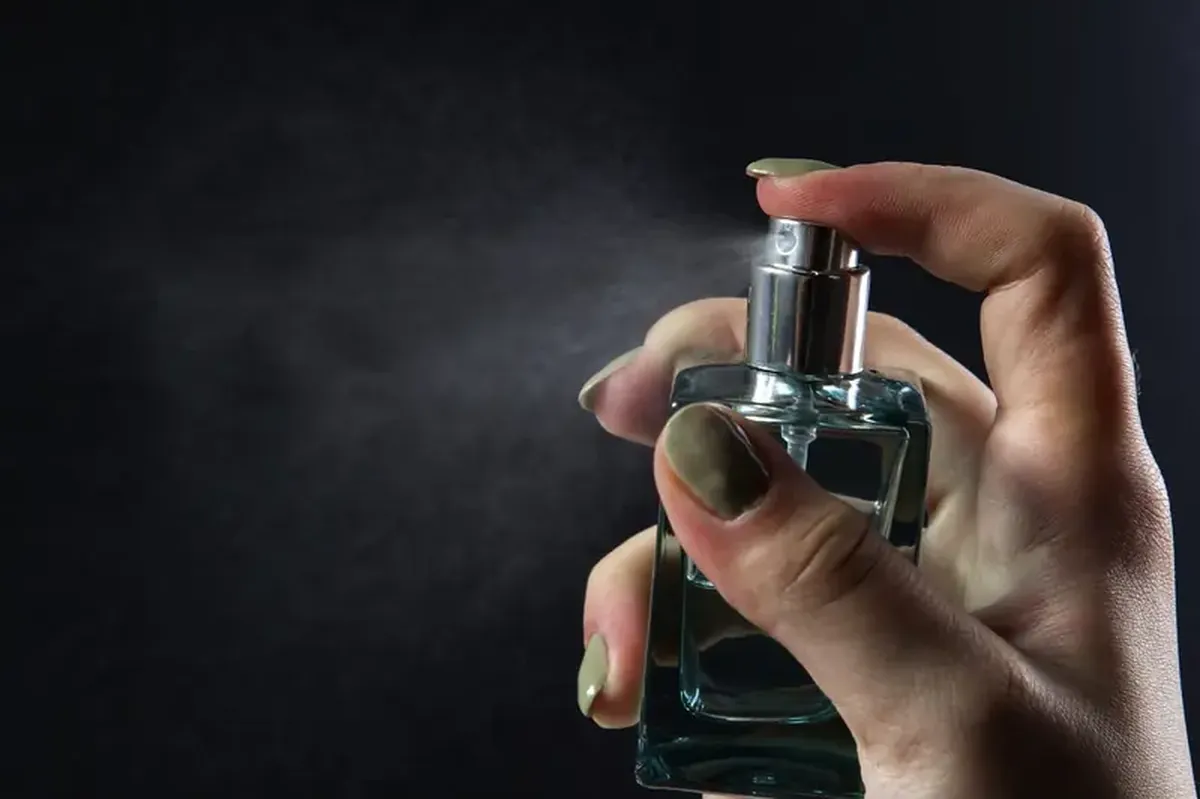
Choose perfumes in the morning, when your sense of smell isn’t overloaded. Avoid wearing any fragrance that day. Don’t rush to apply many different scents to blotters, and don’t spray samples all over your body; only try on the finalists. Select cool or warm, fresh or rich, floral-herbaceous or sweet, bold or delicate scents based on your age and style. For men who smoke, scents with tobacco and leather notes often fit the image and act as a distinctive accessory. Don’t rub the fragrance into your skin—rubbing alters how it develops. Step out of the store and “walk” the scent for half an hour before buying to see how it unfolds.
Spend a day with a favorite scent by spraying it on your neck and collarbones. Apply perfume to pulse points near the jugular vein, on the wrist, and on the shoulders—places where blood vessels are close to the skin—so the scent expresses itself more vividly and lasts longer. Spray clothing from the inside out to avoid stains. If a scent feels overwhelming, don’t assume you’ll get used to it; that reaction can indicate irritation or allergy. To reduce intensity, apply perfume between the shoulder blades on your back.

The Perfume Wardrobe
The season and weather affect a scent’s projection. In summer, notes play louder and dissipate faster; in cold weather, fragrances unfold more slowly, so deep and complex scents work better. Build a “perfume wardrobe” with scents for everyday wear and for special occasions, across moods, weather, and seasons. Knowing your skin type and pH can help you choose fragrances that complement your chemistry. For example, oily or darker skin often pairs well with sweet, heavy oriental scents, as well as spicy, musky, floral, balsamic, and leather notes.
Avoid applying perfume directly to the thyroid area or to heavily sweating areas (such as the armpits); it can be irritating and won’t smell pleasant. Apply perfume to the neck, décolletage, cheekbones, behind the earlobes, wrists, and the bends of elbows and knees. Don’t shake the bottle excessively—introducing too much air can affect a perfume’s stability over time. If a perfume feels foreign on you, stop using it. Stop using any perfume that makes you sneeze, cough, or feel irritated.

How to Check Perfume Authenticity
You can often spot a counterfeit with a careful inspection. The quality of the box and bottle is the product’s “face.” An original cardboard box is tightly wrapped in cellophane with no bulges, creases, or wrinkles; the seam should be straight and narrow. Irregularities, a wide polyethylene seam (over 5 mm), or glue traces suggest a counterfeit. The sprayer should press easily and quietly and should not have glue marks around the neck. Authentic bottles are usually heavier and free of rough edges or defects. Original perfumes include a batch code—letters, numbers, or both—applied by embossing, engraving, or small dot printing on the packaging, sticker, or bottle.
You can find the batch code on the bottom or side of the box and bottle, usually near the barcode. While the barcode tells you the country of sale and product details, the batch code helps verify authenticity and can reveal the production and expiration dates. Decode batch codes with online services such as http://www.checkfresh.com; http://checkcosmetic.net; http://makeup-review.com.ua/decoder.php; https://cosmetic.momoko.hk. Enter the code characters in the decoder field (for example, Christian Dior codes may look like Y0806) and click “Check” or “Decode.” The service will return product information. If an online service can’t recognize the batch code, authenticity may be in doubt—but the absence of a batch code isn’t always proof of a fake, as some premium products use different labeling conventions.

The Harm of Perfumes
In some cases, pleasant scents can cause problems: sudden fatigue, breathing difficulty, runny nose, mucous membrane irritation, or nausea. Perfumes can be toxic—this can apply to counterfeit and to poorly formulated legitimate products. Perfumes and toilet waters have shelf lives: unopened bottles can retain quality for 3 to 20 years, while opened bottles generally remain best for up to 2 years. Many synthetic fragrance chemicals are petroleum-derived and raise health concerns. Some fragrance ingredients may contain phthalates, which can affect the endocrine system, and other compounds that have been linked to allergies or respiratory issues. A few have been associated with more serious risks in some studies.
The European Scientific Committee on Cosmetic Products has placed some traditionally used natural extracts—such as lavender, lemon, and rose—on a list of allergens, and the EU has restricted or banned around 26 substances from classic perfume compositions because of potential allergic reactions. When regulators required manufacturers to disclose fragrance components on packaging, some perfumers feared this would expose trade secrets and lead to many market adjustments—French perfumers warned that such rules could reduce the number of products on the market because many formulations share common ingredients like lavender oil.

Safety Guarantee
To challenge changes in European rules, perfumers argued in court that the vast majority of French perfumes are safe, noting that many brands have followed mandatory safety testing for decades. Perfumers maintain that composition is a core trade secret and that listing every component could help counterfeiters. Concerns about strong scents in shared spaces have also led some countries and workplaces to restrict heavy fragrances in public areas. While reputable brands monitor ingredient quality, counterfeiters may use cheap, unsafe stabilizers. Always check for certificates from trusted regulatory organizations that confirm a perfume’s safety and absence of harmful chemicals when you buy a fragrance.
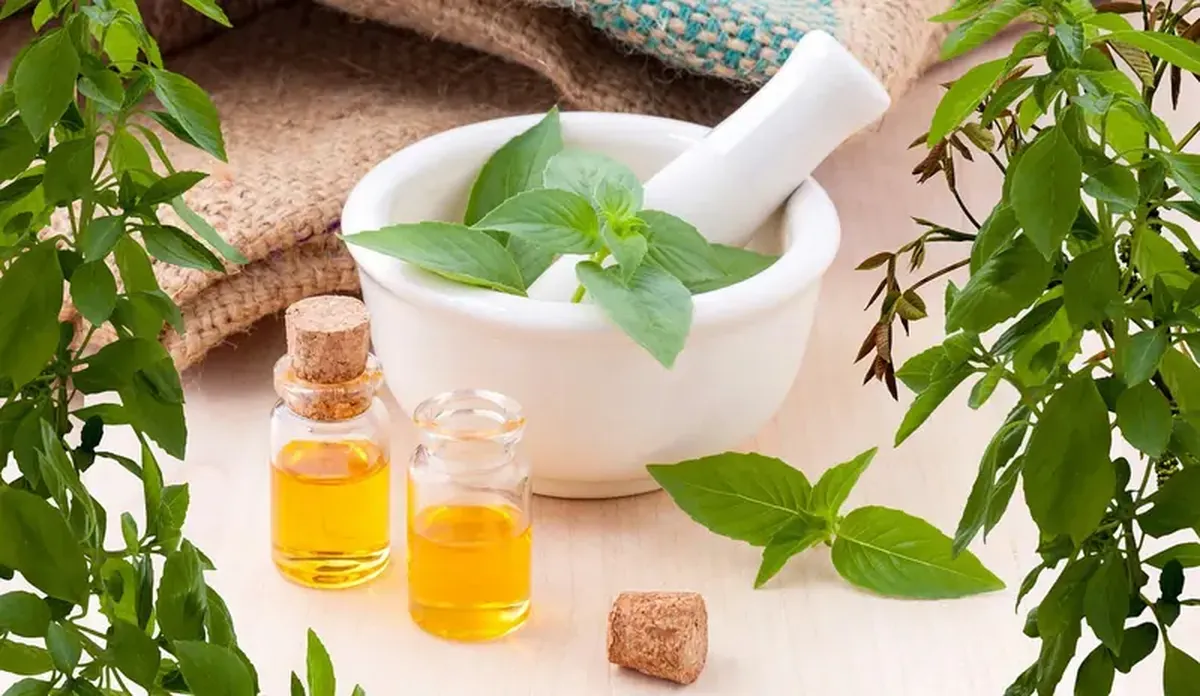
Also read ingredient lists carefully: a truly “clean” fragrance will not contain parabens or phthalates. If you want full control, make perfume yourself. Below are a few home recipes for different tastes.
Tropical Heat
Mix 3 tablespoons orange zest, 2 tablespoons orange blossom water, 1½ tablespoons whole cloves, 2 tablespoons cinnamon, 4 bay leaves, 2 tablespoons rum, and 1 shot of vodka in a glass container. Let it steep for a week, shaking occasionally. Strain and add essential oils: 30 drops orange oil, 3 drops orange blossom oil, and 4 drops lavender oil. Let it steep another two weeks in a dark place. Store the refreshing toilet water in the refrigerator.
Starry Summer
Mix 2 drops bergamot essential oil, 2 drops orange blossom oil, 3 drops lavender essential oil, 3 drops lemon essential oil, and 20 ml alcohol. Let it mature for three weeks in a dark place.
Rose Pink
Combine 6 drops rose essential oil, 2 drops rosewood essential oil, 8 drops sandalwood essential oil, 3 drops geranium essential oil, and ½ teaspoon vodka. You don’t have to follow the recipe strictly—add jasmine, lavender, vanilla, or bergamot to taste. Let it steep for a week in a cool place.
Freshness of Rain
Mix 5 drops bergamot essential oil, 3 drops sandalwood essential oil, 5 drops cassia essential oil, ½ teaspoon distilled water, and 5 tablespoons 80% alcohol. Let it steep in a glass bottle in a dark, cool place for three weeks, shaking occasionally.
English Garden
Combine 3 drops lavender essential oil, 5 drops valerian essential oil, 5 drops chamomile essential oil, ½ teaspoon distilled water, and 5 tablespoons 80% alcohol. Let it steep in a glass container in a dark place for three weeks.
Lilac Mist
Mix 2 drops lilac essential oil, 1 drop ylang-ylang essential oil, 2 drops rose essential oil, 2 drops Peru balsam essential oil, 1 drop iris or violet essential oil, and ½ tablespoon alcohol. Shake and let it steep in a dark place for two weeks.
Sunrise
Combine 2 drops mandarin essential oil, 5 drops vetiver essential oil, and 30 ml alcohol or hazelnut oil. Let it steep for two weeks. The notes of this toilet water are as fresh as a summer dawn.
Ocean Breeze
Mix 5 drops geranium essential oil, 10 drops sandalwood essential oil, 5 drops ylang-ylang essential oil, 5 drops rosewood essential oil, 3 drops clary sage essential oil, and 75 ml alcohol. Let it steep for two weeks.
Eastern Tales
Combine 5 ml sandalwood essential oil, 1 ml frankincense essential oil, 1 ml myrrh essential oil, 5 ml amber tincture, 6 ml patchouli essential oil, 6 ml rose essential oil, 1 ml ylang-ylang essential oil, 1 vanilla pod, 5 ml bergamot essential oil, 6 ml lemon essential oil, 1 ml cedar essential oil, and 120 ml alcohol. Let it steep for a month. Then place the bottle in the freezer overnight and filter through a napkin. Return the perfume to a dark, cool place and allow it to mature for two months.
That’s everything about fragrances. Bloom and smell wonderful!
