Previous studies on mice have already shown that inflammation may be transmitted to younger individuals through gut mic…
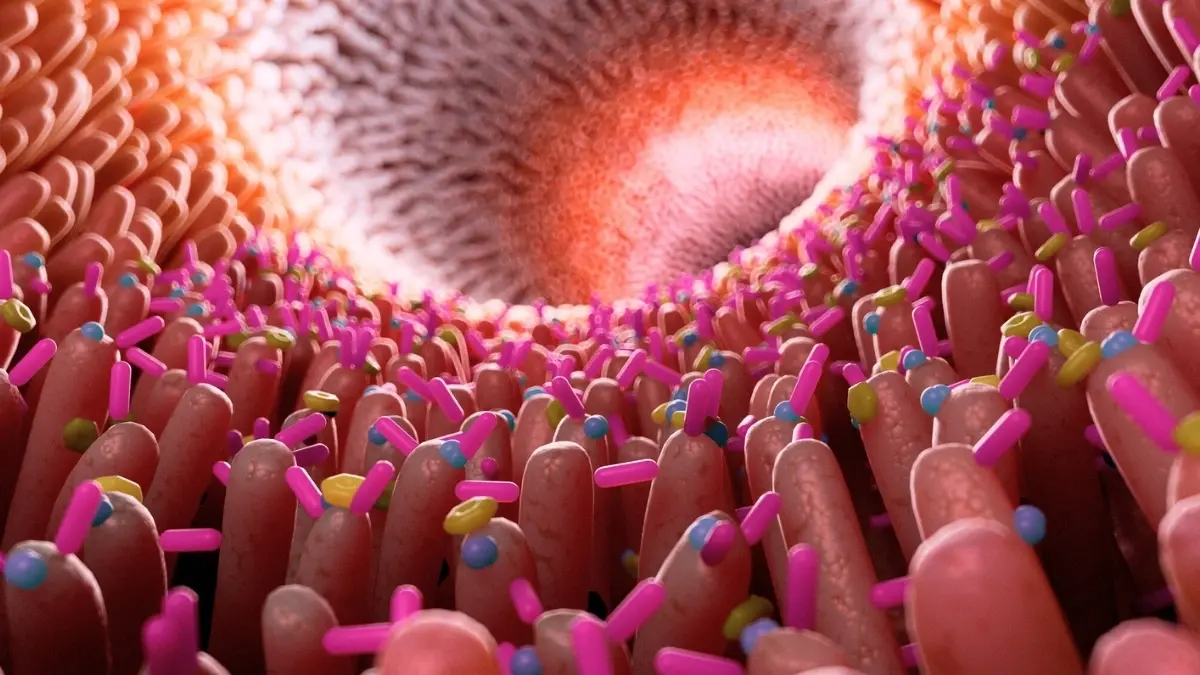
Previous studies on mice have already shown that inflammation may be transmitted to younger individuals through gut mic…
Scientists increasingly warn that tiny micro- and nanoplastic particles — which are everywhere — regularly enter the human body through food, water, and air. According to a new study from…
We spend a big part of the day sitting—at work, on the couch, or commuting. A recent study of older adults found that prolonged sitting can shrink brain volume and…
The cold-sore virus many people catch in childhood often stays in the body for life, lying dormant in the nerves. That virus, herpes simplex virus type 1 (HSV-1), may play…
More than 55 million people worldwide are living with dementia — a number that’s never been higher. The most common form of dementia is Alzheimer’s disease, which causes declines in…
Researchers in the United Kingdom and Slovenia found that certain breathing patterns and brain activity could signal Alzheimer’s disease. How Did the Scientists Discover This? One of the team’s primary…
A new study points to stress granules — tiny clusters of protein and RNA that form in cells under genetic or environmental pressure — as a possible trigger for Alzheimer’s,…
A morning espresso with a light breakfast or a midmeeting cup of coffee may lower the risk of dementia, especially Alzheimer’s disease. That’s the conclusion of a team of researchers…
A new international study has implications not only for people with mental disorders but also for their caregivers. Researchers found that age, sex, irregular heart rhythms, and daily activity levels…
Excessive urban light pollution from streetlights and neon signs may raise the risk of Alzheimer’s disease, especially in people under 65. A team at a university medical center analyzed how…
Our eyes reveal a lot about our brain health. New research suggests vision problems can be an early warning sign of cognitive decline. A recent study from Loughborough University in…
The discovery’s authors are neurologists at the Mayo Clinic in the U.S. — often called a “medical Mecca” — together with colleagues from medical and scientific centers in the United…
The team at the University of Copenhagen says a natural metabolite called urolithin A, found in pomegranates, helps clear damaged brain cells. To test this, researchers modeled Alzheimer’s disease (AD)…
About 30 million people worldwide live with Alzheimer’s disease. This neurodegenerative condition, the most common form of dementia, is usually diagnosed in people 65 and older. But doctors say the…
Medical professionals focused on preventing and treating Alzheimer’s disease primarily try to identify the factors that contribute to the condition in each person. While genetics play a major role, environment…
Major migrations to Europe over the last 45,000 years helped shape modern Europeans’ risk of Type 2 diabetes and Alzheimer’s disease. Two articles detailing the findings were published in the…
According to a new study, a lack of slow-wave sleep over the years increases the risk of developing dementia. “We found that aging is associated with a reduction in the…
Researchers at Scripps Research in the U.S. have turned a natural compound—carnosic acid—into a potential drug aimed at Alzheimer’s disease, the most common form of dementia. Carnosic acid, found in…
Right now, more than 55 million people worldwide are living with dementia. Professor June Andrews says six out of ten people with dementia have Alzheimer’s disease. Can certain foods help…
Researchers at the University of California, San Diego, and Wake Forest University say adding beef, chicken, or pork to a Mediterranean-style diet could help prevent Alzheimer’s disease. The Mediterranean diet…
Researchers at Boston University say we still don’t know exactly what causes Alzheimer’s disease. But we do know its consequences, and they’re getting better at spotting early — even hidden…

