
 Gaby
Gaby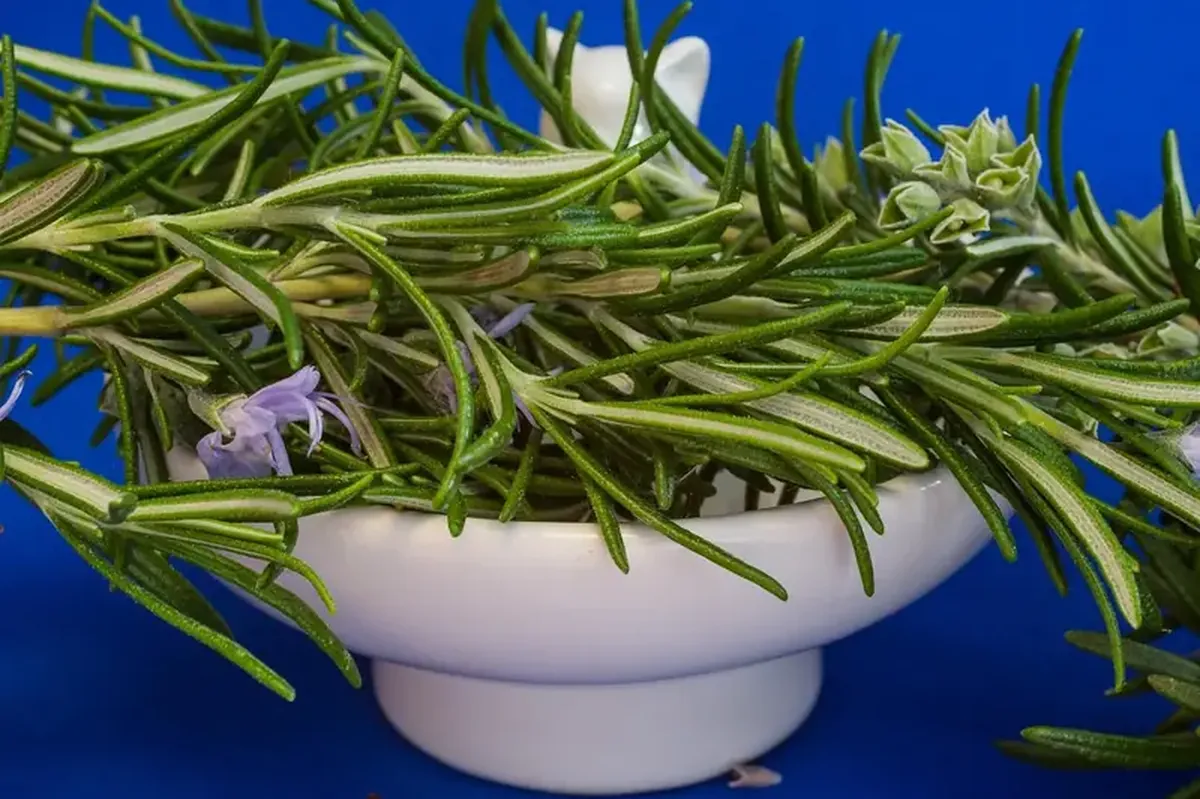
Researchers at Scripps Research in the U.S. have turned a natural compound—carnosic acid—into a potential drug aimed at Alzheimer’s disease, the most common form of dementia.
Carnosic acid, found in rosemary and sage, has antioxidant and anti-inflammatory effects. But the compound is unstable in its pure form. The team synthesized a stable derivative that reduced inflammation in the brains of mice.
The rodents that received the stable derivative showed improved memory, more neuronal synapses, less inflammation, and better clearance of toxic proteins linked to Alzheimer’s disease.
“We ran several memory tests, and all of them showed positive results from the drug. It didn’t just slow down the decline; it actually reversed it,” said neurobiologist Stuart Lipton, the lead author of the study.
What Did the Scientists Discover?
One major challenge was getting carnosic acid into a form that would remain stable and stay in the brain long enough to have a therapeutic effect. After numerous trials, the researchers settled on a diacetylated version called diAcCA.
The gut converts diAcCA into carnosic acid before it reaches the bloodstream; this form is absorbed about 20 percent more effectively than pure carnosic acid. After conversion, carnosic acid reached therapeutic levels in the brain within an hour.
Different groups of mice with Alzheimer’s disease were given either diAcCA or a placebo three times a week for three months. The scientists examined brain tissue and tracked how the mice performed on tasks that measure memory and learning.

Mice treated with diAcCA showed less buildup of proteins that serve as Alzheimer’s damage markers.
“By combating inflammation and oxidative stress with diAcCA, we increased the number of synapses in the brain. We also cleared misfolded or aggregated proteins, such as phosphorylated tau and beta-amyloid, which are biomarkers associated with Alzheimer’s,” Dr. Lipton said.
Although development and testing are still in the early stages, the results are promising, as reported by Science Alert. The team still needs clinical trials to determine whether diAcCA has the same effect in the human brain.
Because carnosic acid’s anti-inflammatory effects have been documented in previous studies, Dr. Lipton and his colleagues hope this treatment could be used against other inflammation-related conditions, from type 2 diabetes to Parkinson’s disease.
Because diAcCA is a modified form of carnosic acid—a compound whose safety has been studied before—the team is optimistic that new medicines could be developed on an accelerated timeline.
The study’s findings were published in the journal Antioxidants.
