
 Gaby
GabyThe future is arriving faster than we think. What once seemed like science fiction is becoming real. Many scientists believe these emerging technologies could change the way we live — and help avert a climate catastrophe.
AI already writes poetry and creates images, 3D printers are making implants, labs are growing artificial food, and robots can read thoughts. And that’s just a sample of what the most intriguing future technologies might offer.
Necrobotics
As Science Focus reported, necrobotics involves turning dead organisms into robots. It sounds eerie. But a team of researchers managed to turn a dead spider into a robot that can pick up objects. The concept is still in development, but researchers say dead animals could be repurposed for scientific tasks.
Sand batteries
Finnish engineers have found a way to turn sand into a giant battery. Tons of sand in a steel container are heated using wind and solar energy. The stored heat is then released to provide energy for nearby buildings. This could become an unconventional energy source in the future.
Electronic skin
Engineers have developed a wireless, soft electronic skin that could make internet hugs a reality. It has flexible actuators that detect a user’s movements and convert them into electrical signals. The signals can be sent via Bluetooth to another device, whose actuators convert them into mechanical vibrations that mimic the original movements.
VR with a sense of smell
Researchers have recently invented virtual reality (VR) applications that let users experience smells. One version attaches to the upper lip, sitting close to the nostrils for easy delivery. Another design resembles a mask with hundreds of different scent combinations. Researchers say this technology has applications from online learning to 4D movies.
Catapulting satellites into space
NASA is testing a prototype satellite-delivery system called SpinLaunch that uses kinetic energy instead of conventional chemical rockets. Payloads are spun at speeds of about 8,000 km/h and then launched through a large tube. Scientists say this system could cut fuel and infrastructure needs by roughly 70%.
Xenotransplantation
Xenotransplantation—the transplanting, implanting, or infusing of animal-derived cells, tissues, or organs into humans—could transform surgery. One well-known example is transplanting a pig heart into a human. These operations are risky today, but xenotransplantation could become much more common in the future.
AI image generation

Illustration created by a neural network.
AI can already create images from written prompts. Enter a description and receive a range of original images that match it. In the future, these tools could power art exhibitions and rapidly generate custom illustrations.
Mind-reading robots
Brain-reading technologies are no longer pure science fiction. Researchers have built systems that help patients who cannot move their limbs interact with the world.
The algorithms can be adapted to an individual’s brain signals and preferences. For example, future wheelchairs could be controlled directly by thought.
3D-printed bones
3D printing can make everything from houses to sturdy armor. One of the most interesting uses is printing bones.
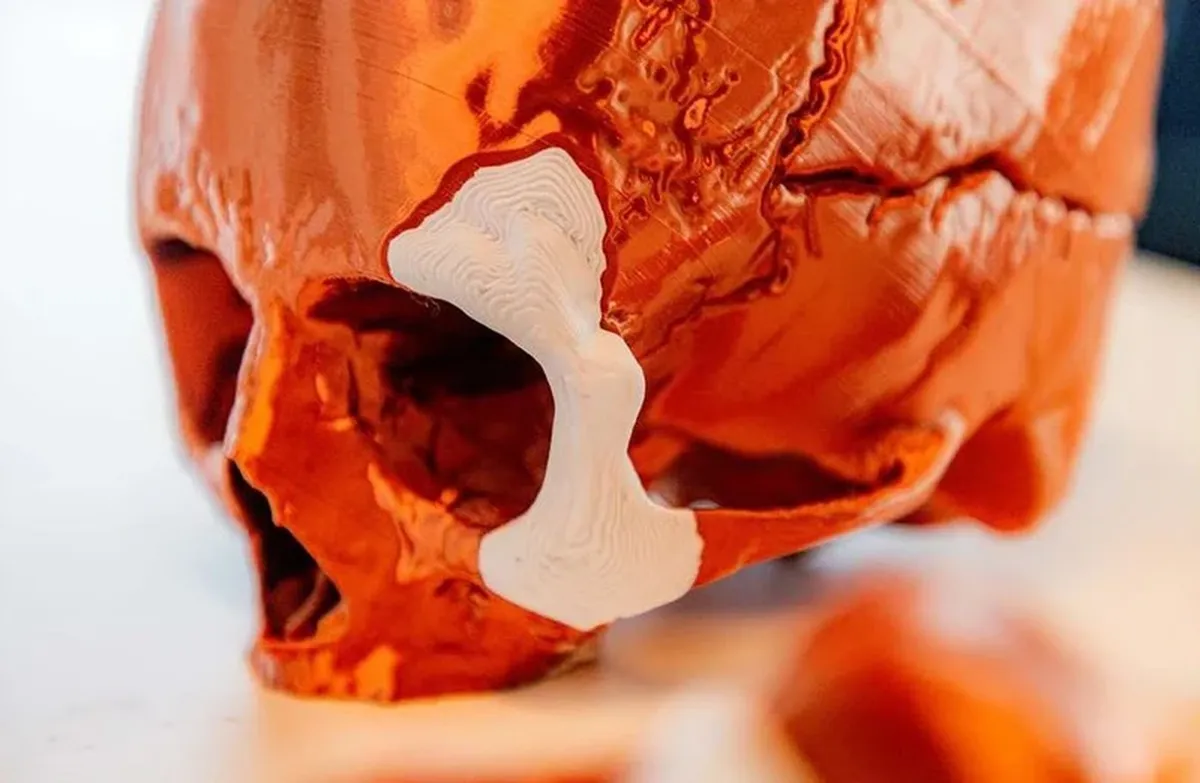
A surgeon approves the implant design, and once the piece is printed it can be used in surgery. Because these implants can use tricalcium phosphate — a material with properties similar to human bone — they can restore the function of the bone they replace.
3D-printed food
There is already a device that can create a cheesecake from seven ingredients using food inks and then cook it with a laser. This technology could be used to produce personalized dishes for people.
Natural language processing
OpenAI created ChatGPT, a chatbot that can write poems from scratch, explain complex theories clearly, and carry on full conversations. It’s a prominent example of how AI can generate entire websites, write books, and even make jokes.
Digital twins for health monitoring
An American company developed a scanner that can measure hundreds of biomarkers in about an hour — from hormone levels to liver fat to cancer markers.
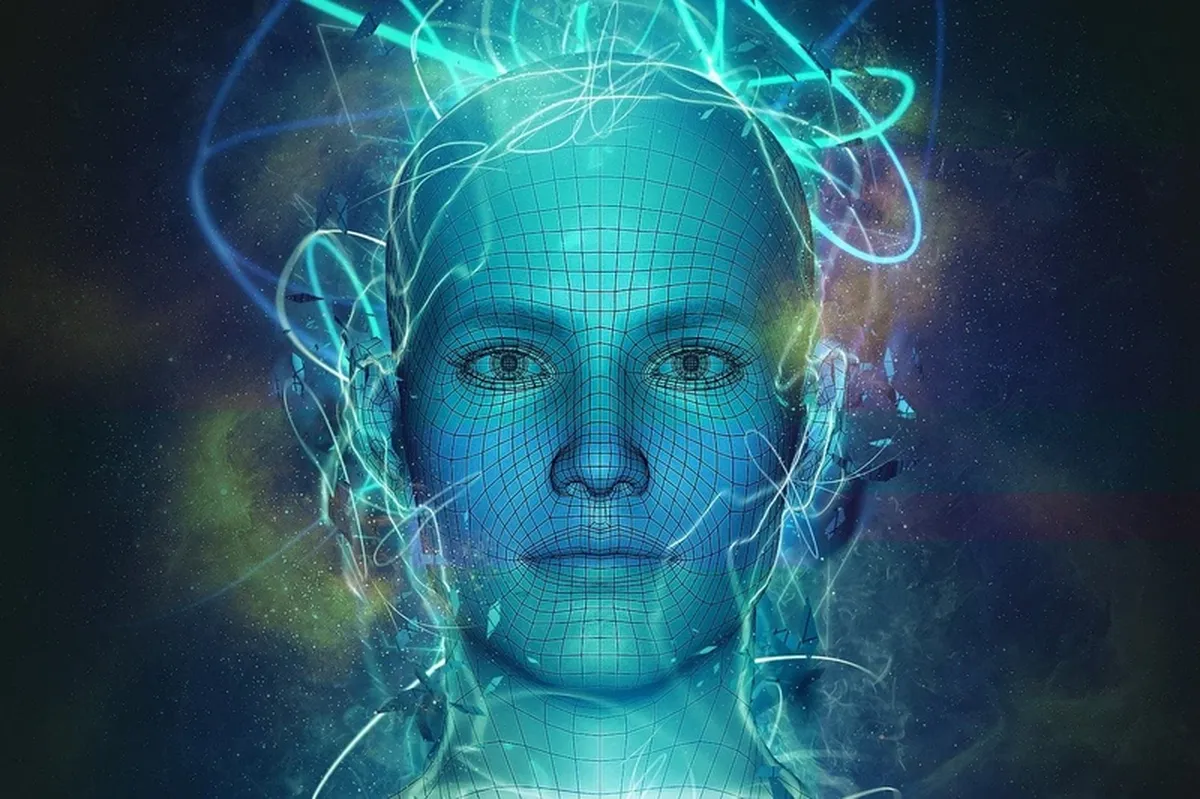
This data is used to create a digital twin: a three-dimensional avatar of the patient’s body. Doctors can track that avatar over time and update it with each new scan.
The technology of the future for carbon capture
Direct air capture (DAC) technology aims to take over some of the work trees do in absorbing carbon. It extracts CO2 from the air and either stores it in deep geological formations underground or combines it with hydrogen to produce synthetic fuel. The method needs further refinement, but it could become a major environmental tool.
Energy-saving bricks

Researchers developed a way to turn red bricks into battery-like structures. A conductive coating soaks through the porous fired bricks, turning them into energy-storing electrodes. Scientists say walls made from these bricks can store a significant amount of energy and be recharged hundreds of thousands of times within an hour.
Self-healing “living concrete”
Scientists created a new building material using sand, gel, and bacteria. Researchers say this material can provide structural support, heal its own cracks, and is more environmentally friendly than conventional concrete. They envision buildings that can repair damage, absorb toxins from the air, or even glow on demand.
Fuel from air
Swiss chemical engineers built a prototype that can produce hydrogen from water vapor in the air. It uses semiconductor materials that harvest sunlight to split water molecules in the atmosphere and generate hydrogen gas. That gas could potentially be converted into liquid fuels.
Internet for everyone

The company Hiber is launching a network of shoebox-sized microsatellites into low Earth orbit. As they fly by, they activate a modem connected to your device and deliver data. Hiber’s satellites orbit the Earth 16 times a day and are already helping provide internet access in very remote corners of the planet.
3D-printed eye tissue
American researchers have created retinal tissue using stem cells and 3D bioprinting. This approach could let scientists model the human eye more accurately and develop better treatments for vision diseases.
Car batteries that charge in 10 minutes

The battery design developed by American researchers self-heats via a thin nickel foil. The foil forms an electric circuit that warms the inside of the battery in less than 30 seconds, enabling a full electric-vehicle charge in about 10 minutes.
Artificial neurons on silicon chips
Scientists have learned to connect artificial neurons to silicon chips, mimicking the electrical properties of biological neurons. These artificial neurons consume only about 140 nanowatts of energy. Researchers hope the technology can be used in medical implants to treat conditions such as heart failure and Alzheimer’s disease.
sciencefocus.com
