
 Carlos Solis
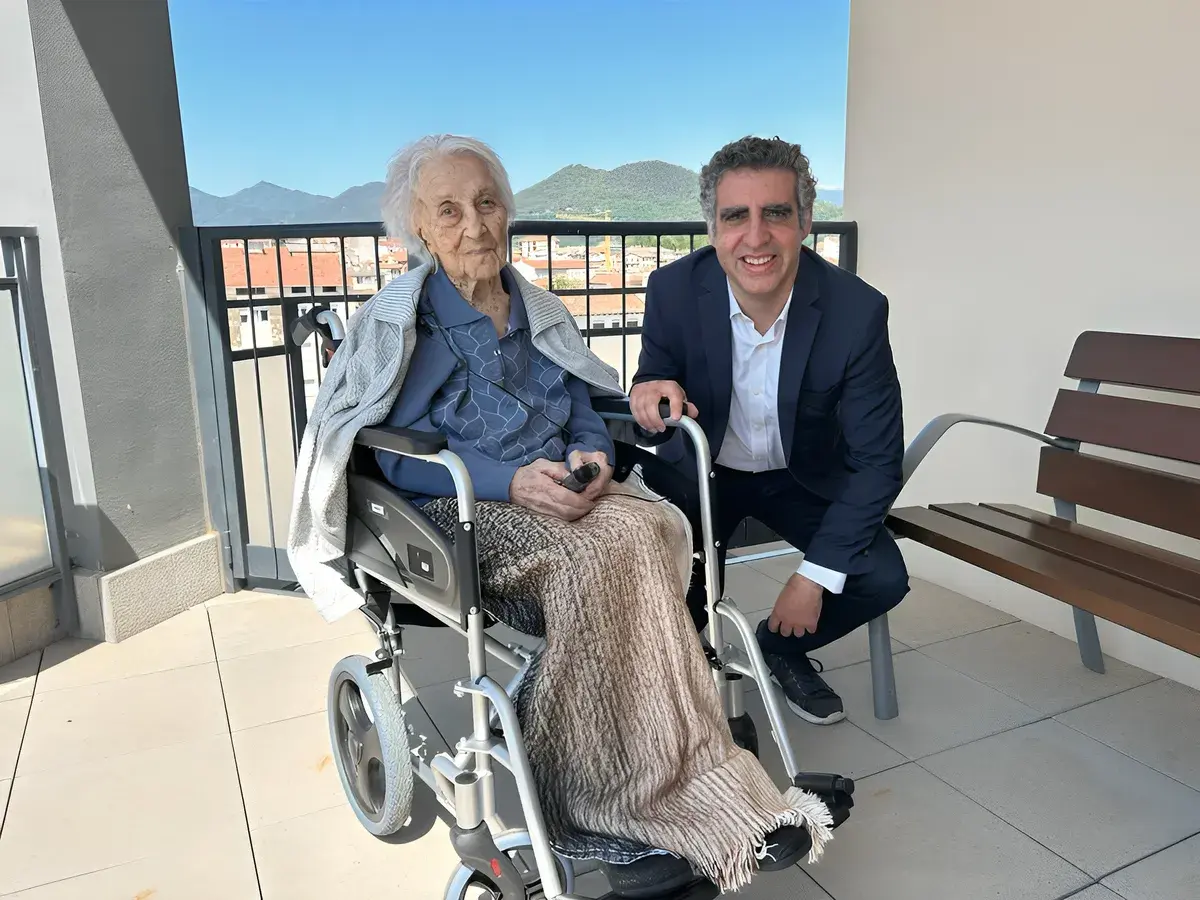 At the time of her death in August 2024, María Branyas was the world’s oldest living person. Her life spanned 117 years and 168 days — especially striking given that the average life expectancy for women in her country is about 86 years. So what explained her exceptional longevity? Researchers turned to her DNA to find out.
The results were quite revealing
A team from the Josep Carreras Leukaemia Research Institute in Barcelona performed a “comprehensive multi-omic analysis of her genomic, transcriptomic, metabolomic, proteomic, microbiomic, and epigenomic landscapes across various tissues,” according to IFLScience. They examined samples of María’s blood, saliva, urine, and stool collected before her passing, then compared her data with samples from other centenarians and much younger individuals, as IFLScience reported.
This became the most thorough study yet focused on people who lived to 110 or beyond.
Despite the presence of molecular signs of aging, such as short telomeres (protective caps at the ends of chromosomes), a pro-inflammatory immune profile, and an aging population of B-lymphocytes (white blood cells), Ms. Branyas did not show major age-related diseases. That finding suggests extreme age doesn’t always mean poor health.
“These results illustrate how aging and diseases can be unrelated under certain conditions, challenging the common belief in their inseparable connection,” the report said.
The team found genetic variants that protect against common age-related conditions like cardiovascular disease, diabetes, and neurodegeneration. They also found evidence of efficient lipid metabolism, an anti-inflammatory gut microbiome, and an epigenome linked to slower biological aging.
The woman’s biological age, estimated with DNA methylation clocks, was much younger than her chronological 117 years. The team said her cells “behaved like those of a younger person.”
Dr. Manel Esteller, the study’s lead author, summed it up: “Her extreme longevity reflects an intriguing duality: the simultaneous presence of signals of extreme aging and healthy longevity.”
Beyond genetics, her lifestyle may have helped. She stayed mentally, socially, and physically active, ate a healthy diet, and enjoyed yogurt — habits that likely supported a robust gut microbiome.
The report described her daily life: despite painful losses late in life, including the death of her son, she maintained good physical and mental health through solid sleep, a balanced Mediterranean diet, and an active social life. She spent a lot of time with family and friends, played with dogs, read books, tended her garden, took walks, and played the piano.
Because the study focused on a single person, its findings can’t be generalized. Still, the data offer useful clues that could help researchers develop new ways to combat aging.
“These results provide a new perspective on human aging biology, offering biomarkers for healthy aging and potential strategies for extending lifespan,” the study’s authors wrote.
The findings were published in Cell Reports Medicine.
Photo: Josep Carreras Leukaemia Research Institute
