
 Gaby
Gaby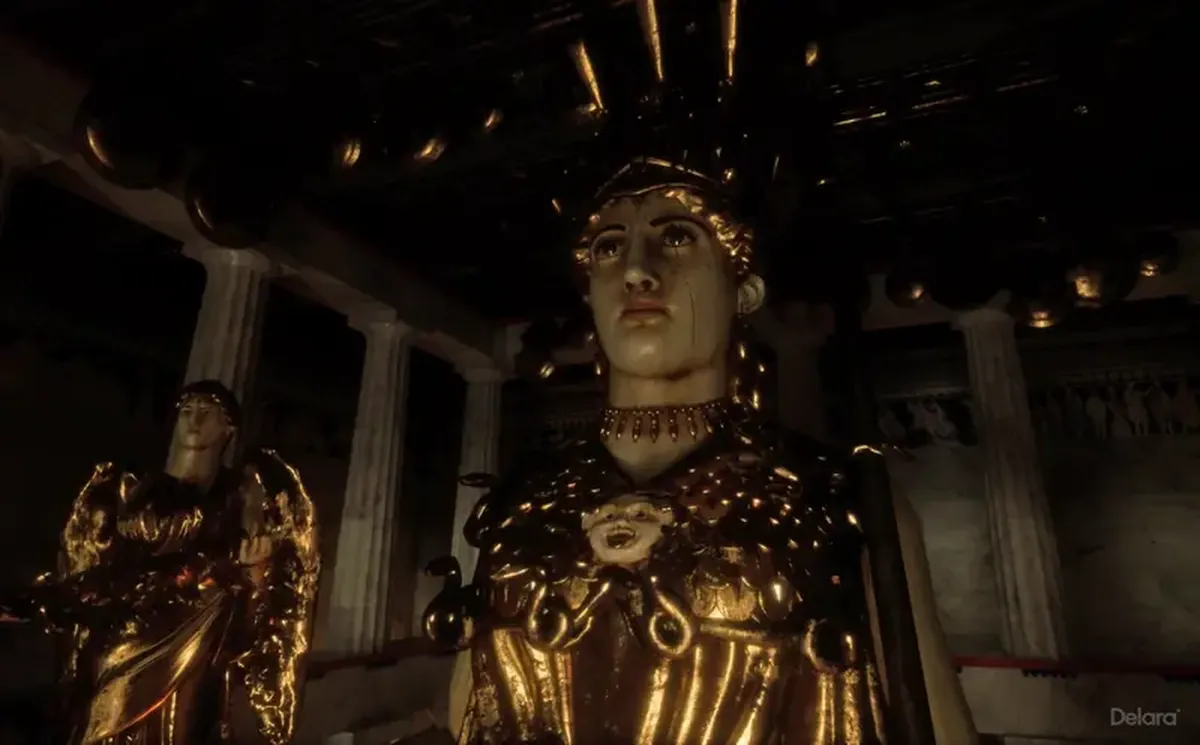
A team from the University of Oxford studied and recreated the Parthenon’s lighting system on the Athenian Acropolis. This magnificent temple, built between 447 and 438 BC to honor the goddess Athena, was famous for its dramatic light effects. All of this happened centuries before electricity.
What Captivated the Researchers?
A four-year interdisciplinary study led by Professor Juan de Lara shed new light on this millennia-old mystery. Combining archaeological evidence with cutting-edge 3D modeling and optical physics, archaeologist and digital engineer de Lara and his colleagues recreated the temple’s lighting system. They concluded that the system was designed to evoke awe and reverence.
The study, supported by University College London (UCL) and the London Arts and Humanities Partnership (LAHP), revealed that the Parthenon’s designers and the sculptor Phidias used architectural details to control natural light. Those details included roof openings, internal pools, and strategically placed windows. The ancient builders also paid close attention to how light played across polished marble.
A key focus of the detailed 3D model was the colossal statue of Athena, made of ivory and gold. The team examined how light reflecting off the statue produced enchanting effects inside the temple. They also studied how rays entering through the eastern doorway penetrated the space, as reported by Arkeonews.

What Surprised the Team?
The findings surprised the team. During the day, sunlight did not fully flood the temple; the interior remained in semi-darkness for most of the time, which helped create an atmosphere of reverence. During the Panathenaic Festival, held every four years for Athena, the researchers found that on several mornings the rising sun aligned with the temple entrance and cast a brilliant beam directly onto the statue’s golden robes. The team called it a “breathtaking, shimmering spectacle.”
“Imagine walking into the Parthenon, your eyes still adjusting from the bright sunlight outside and slowly acclimating to the darker interior. When sunlight streams through the doorway, it falls on the goddess Athena’s golden attire in a vertical beam. This was the effect the architects and Phidias aimed to create. And it was magical!” Professor de Lara said.
The results were published in The Annual of the British School at Athens.
