
 Gaby
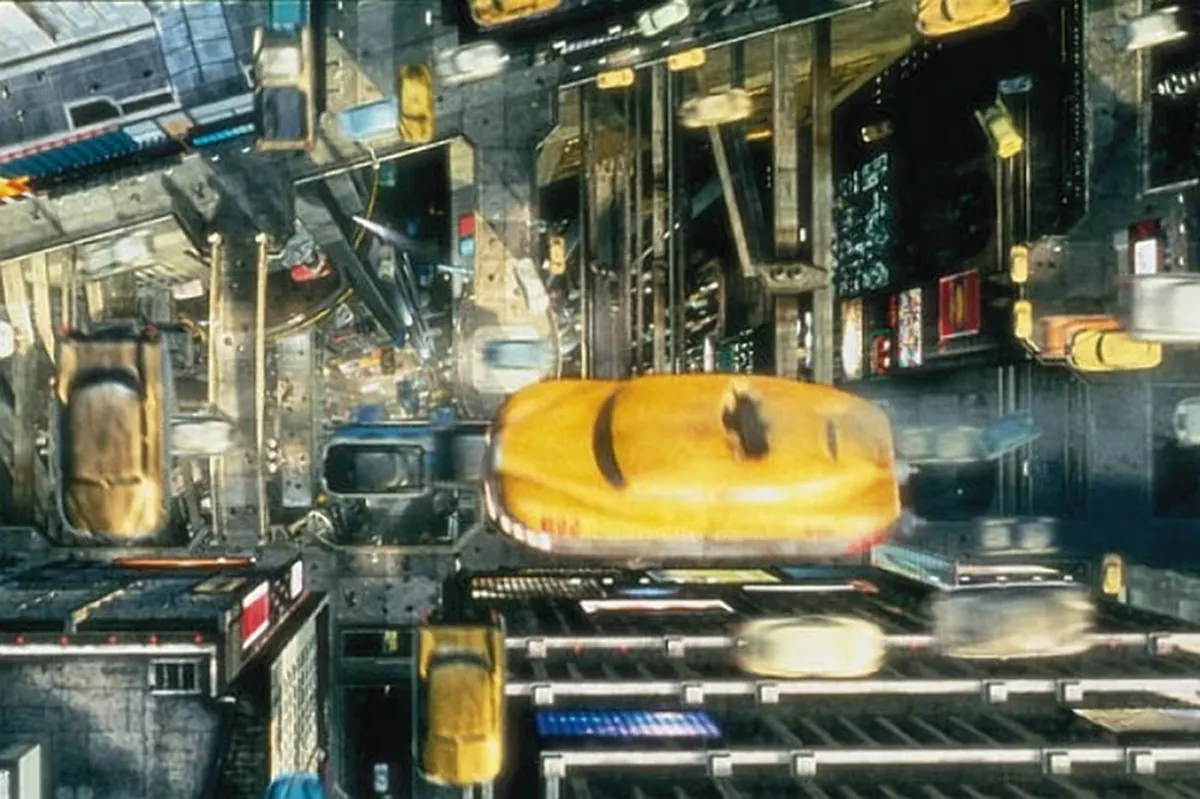
GabyNew aviation technologies, like air taxis, delivery drones, and advanced air mobility (AAM), could soon triple air traffic. This will be especially noticeable in urban areas, where people may face noise and other problems from transportation that feels straight out of a science-fiction novel.
“Traffic jams” in the air could become a reality
Cosmos magazine forecasts about 37 million passenger flights by air taxis by 2050. That will require major changes in how airspace is managed and is likely to increase the noise and discomfort people on the ground experience.
Electric delivery drones are already operating in parts of Australia. Now the industry is trying to make passenger urban aviation a reality, planning electric aircraft that would fly between rooftops and urban transport hubs like airports and train stations. These new aviation technologies still need to overcome real-world hurdles related to regulation, planning, noise, and safety.
The development of air taxis will create more flights, routes, and landing sites. Thousands of people and cargo could be transported at low altitudes within or across densely populated urban areas. The idea of air taxis, long seen as futuristic, is expected to gain traction this decade. But along with that popularity come many unresolved issues.
Regulating air taxis — from zero to takeoff
Professor Sarah Bice of the Australian National University says that before industry and governments get carried away, many regulatory and safety issues for these aircraft must be addressed. Because this trend involves a completely new use of a shared resource — the sky — she warns it will be a serious challenge to turn the dream of everyday air-taxi services into reality.
Marianne Richards, a transportation expert with 38 years in public service, has extensive experience planning ports, airports, and freight networks at all levels of government. She explains that aviation responsibility is split among three bodies: those that provide regulatory advice, those that directly regulate safety, and those that manage airspace.
Planning air-taxi, drone, and other new aviation operations should be guided by strategies and roadmaps, partnerships, and planning frameworks. Ultimately, governments or local authorities will decide on landing sites and infrastructure (vertiports). It will also be necessary to develop environmental-impact assessment processes for these modes of transport and their vertiports, similar to the assessments used for large land developments.

The problem of noise from air taxis and other VTOL vehicles
New technologies such as drones and air taxis will inevitably create noise issues because they operate at low altitudes and close to residential areas. At present, research on how urban residents perceive noise from UAVs is very limited.
Early experiments found that noise from small electric aircraft “is more irritating than the noise from road vehicles at the same volume level.” Noise pollution tied to widespread UAV use will be a critical issue from technical, regulatory, and public perspectives.
Public reaction to small trials in Europe has been neutral or positive. But full-scale urban air mobility is likely to raise serious concerns among residents, especially if several thousand flights occur daily in a single area.
Acoustic engineer and senior lawyer at the Australian consulting firm Marshall Day Acoustics, Alex Morabito, says the main way to combat aircraft noise is land-use planning around airports. Appropriate noise buffer zones are established for aircraft and included in local planning schemes to prevent or limit noise-sensitive developments nearby.
Those buffer zones do not apply to existing developments such as buildings, schools, or parks. That is why Mr. Morabito says current planning approaches are not suitable for air taxis. These new aerial technologies will require fresh standards for managing expected noise levels, given the high volume of low-altitude flights in built-up urban areas.
Air-taxi safety and other challenges
Turbulence and wind gusts are major causes of aviation accidents and affect aircraft of all sizes. Air taxis and drones face higher risks from turbulence and collisions because of the large number of lightweight aircraft, their low-altitude flights, and the complexity of urban buildings and infrastructure.
The risk of collisions rises as more vehicles try to navigate in challenging conditions. Experts argue that turbulence should be a key consideration in aircraft certification and in the design of vertiports to reduce the risk of accidents.
The challenges of launching air taxis — including community engagement, planning, noise, and safety — are immense, and this is only the beginning. Other issues that need attention include social equity, environmental impacts, harmful emissions, privacy, and security.
Ms. Bice believes governments will need to step in to facilitate public discussions about airspace access, visual impact, noise, safety, and regulation in this new industry. She says the public has the right to weigh in on whether it wants these changes at all and should have the opportunity to say “no.”
