
 Gaby
Gaby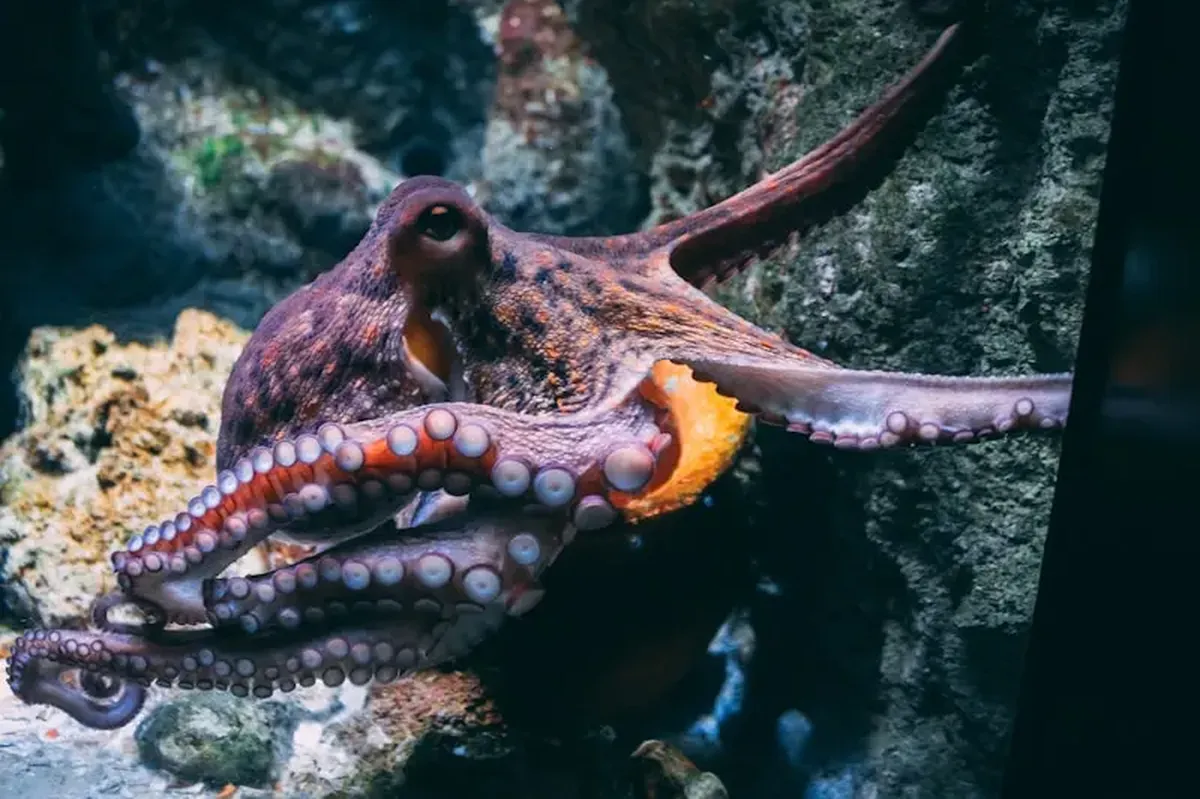
Octopuses are remarkable marine creatures known for their ability to change their size and color. Researchers say that adaptability comes from a highly developed nervous system: a centralized brain plus a complex network of neurons spread through their tentacles. Previous studies have found links between octopus intelligence and genes that are also active in humans. New observations add another similarity: these mollusks enter a sleep state that resembles human sleep.
Octopuses have two phases of sleep, much like people. Researchers from the Okinawa Institute of Science and Technology observed two stages of sleep—calm and active—that resemble the rapid eye movement (REM) sleep seen in mammals. Sam Reiter, the research team leader, says it was long believed that only vertebrates have two distinct sleep states. Recent work shows octopuses share this trait with humans. Their calm sleep periods are punctuated by short bursts of intense activity. During those episodes, their tentacles and eyes twitch, their breathing quickens, and their skin flashes vibrant colors.
The research team, led by Reiter, began the study by testing octopuses’ reactions to physical stimuli to determine whether they were asleep or awake. They found that a stronger stimulus was needed to get a response during either sleep stage than when the animals were awake.
The team also found that octopuses moved into the active sleep phase earlier and more often if they were disturbed while trying to sleep or during a nap. That compensatory behavior suggests the active sleep stage is important to the animals’ normal functioning.
The researchers also found that during calm sleep, octopuses produced brain waves known as sleep spindles, similar to waves seen in mammalian sleep. The exact role of sleep spindles is still unclear in humans, but they are thought to help consolidate memories and boost learning. Using advanced microscopy, the team concluded that these brain waves originate in parts of the octopus brain tied to learning and memory—another parallel with humans.
The team observed that about once an hour, octopuses entered the active sleep phase for roughly one minute. During that minute, their brain activity resembled the patterns seen when they were awake, much like REM sleep in humans.
Do octopuses rehearse in their sleep, dream, or have visual experiences? They can control pigment cells in their skin, producing patterns used for camouflage, social signaling, and deterring predators. Past observations of dramatic color changes hinted that octopuses might be dreaming. The research team used an 8K ultra-high-definition camera to track those color shifts and watch how each pigment cell behaved to form an overall pattern, according to Interesting Engineering.
The team found that during active sleep, octopuses cycled through many of the same skin patterns they use for camouflage while awake. The scientists offer several theories to explain why the active sleep state mirrors wakeful behavior. One idea is that octopuses practice skin patterns during sleep to keep pigment cells tuned and to maintain camouflage skills.

A more provocative theory suggests octopuses may replay and learn from waking experiences—hunting, hiding—and reactivate the skin patterns tied to those events. In other words, they might be visualizing something like a dream.
As Reiter points out, humans can often recall dreams upon waking. Reiter says octopus skin patterns act as a visible readout of brain activity during sleep. Which explanation is correct remains unclear. Research into octopus sleep will continue to reveal new facts about these extraordinary marine animals.
