
 Gaby
Gaby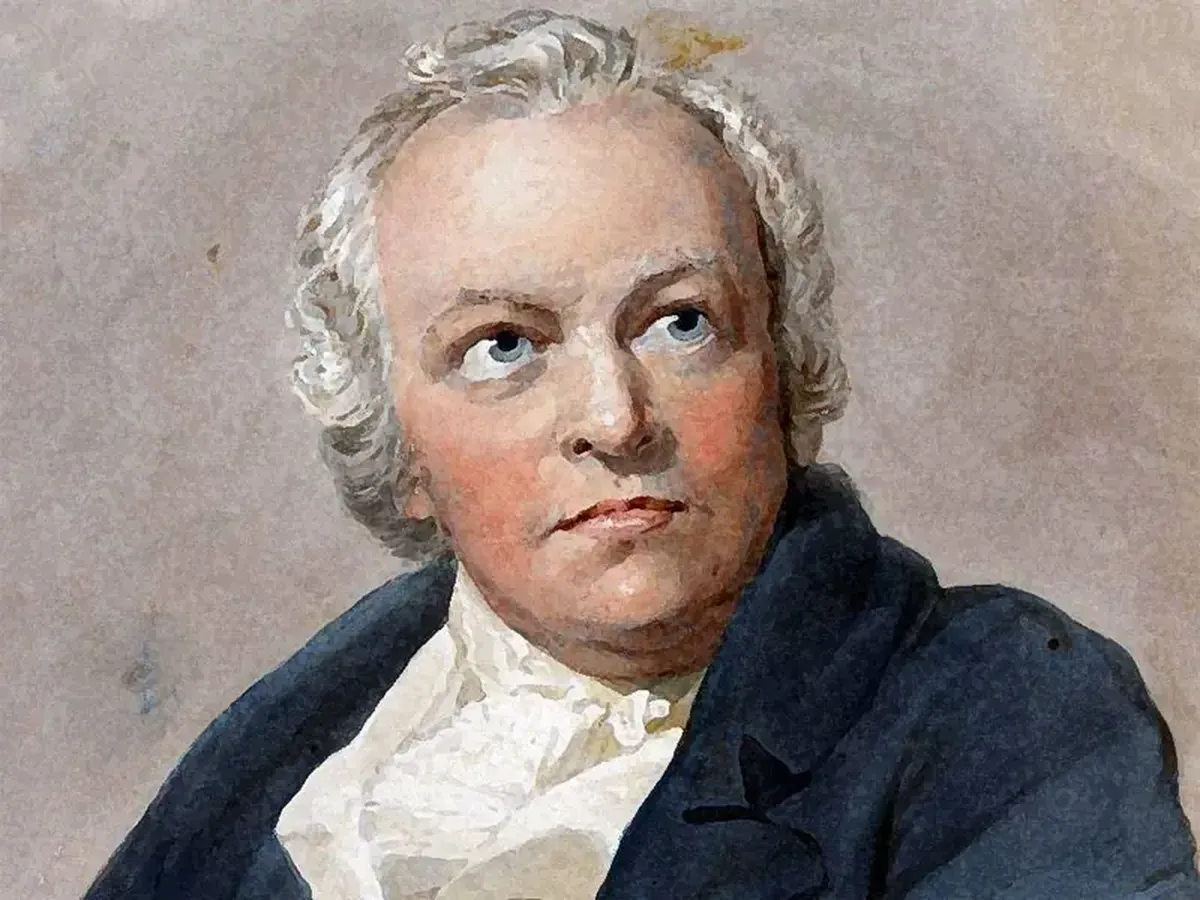
Childhood works by William Blake (1757–1827) had long been hidden from researchers in the Bodleian Library at the University of Oxford. The artist bequeathed the engravings to the library in 1809.
Blake, regarded as one of the greatest poets, was drawn to visual art from a young age. A recently discovered series of copper-plate engravings, dating to roughly 250 years ago, confirms that. In one previously unknown piece the young artist engraved an arrow—a motif that recurs in his later work. Another plate holds a tiny, detailed face.
“When I first saw the face it was a stunning moment — I nearly fell off my chair,” said Mark Crosby, a Blake expert who uncovered the plates.

What else is known about the discovery?
Biographers say that before his poetic career took off Blake spent seven years learning engraving under London craftsman James Basire. At the time, engraving was a common way to illustrate books.
The authorship of these engravings was identified using new high-resolution scanning technology. Researchers observed cross-hatching, semicircles, and marks made with burins and compasses on the plates.
Crosby says the details suggest the apprentice was honing his skill and echoing his master’s style. The scans revealed a tiny, highly detailed face—eyes, part of a nose, and lips are visible.
In another area—on the plate—the first letter “O” in the word LONDON was shaded in a way Crosby says “resembles a child’s coloring.”

The arrow, about 18 mm long with a short shaft, was engraved with a burin on the plate.
Such arrows—and darts—appear frequently in both Blake’s visual art and his poetry. They show up, for example, in two of his watercolors inspired by Milton’s Paradise Lost.
Crosby, whose research will appear in two academic journals, said, “These works reveal personal, intimate moments meant only for the artist himself.”
More about Blake
English poet and artist William Blake was born in Soho, London, in 1757.
Blake’s first major collection was “Songs of Innocence” (1789). Other notable works include “Songs of Experience,” “Jerusalem,” “The Marriage of Heaven and Hell,” the poems “The Lamb” and “The Tiger,” and works titled “The French Revolution” and “Europe.” His poetry mixes historical events with romantic fantasy, mythology, and biblical imagery.
In 1772 Blake became an apprentice to engraver James Basire on Great Queen Street. Seven years later he completed his apprenticeship and became a professional engraver. Although Blake is known for his relief etchings, he also used intaglio—a common 18th-century technique that involves incising lines into a plate. The process was complex and labor-intensive.
During his lifetime Blake enjoyed little fame. After his death in 1827 he came to be recognized as one of the major Romantic poets. His burial site was turned into a garden, and admirers later placed a memorial stone there. In 2018, after his actual burial site was identified, Londoners installed a commemorative plaque honoring the poet and artist.
