
 Gaby
Gaby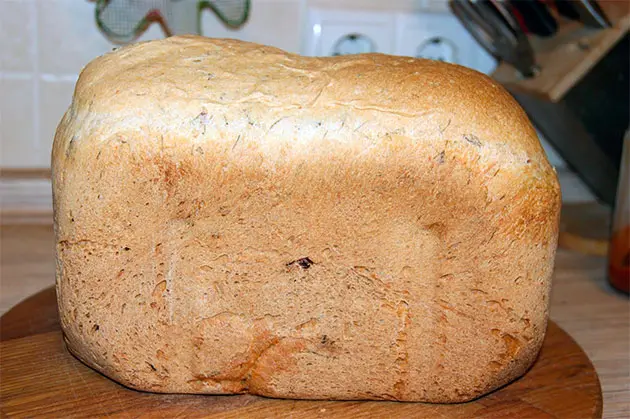
Combine 1 teaspoon dry yeast, 1.5 cups warm (not hot) water, 1.5 teaspoons salt, and about 2.2 pounds sifted flour. Gradually add the flour while gently kneading the dough until it’s smooth and soft. Place the dough in a bowl, cover it with a towel, and set it in a warm, draft-free spot—a kitchen cabinet works perfectly. After 1.5 hours, punch the dough down, dust it with flour, and bake the loaf for about 25 minutes. To check doneness, lift the loaf from the pan and tap the bottom; it should sound hollow. It doesn’t get any simpler than that.
For a slightly richer start, mix a bit of flour into the water with the yeast and salt until the mixture reaches a sour-cream-like consistency, and let it sit in a warm place for 30 minutes. Gradually mix in 2–3 tablespoons olive oil while kneading the dough. Let the dough rest for 40 minutes, then knead it again, adding more olive oil and any dried herbs you like (oregano, basil, marjoram). Let it rise for another 30 minutes before baking.
For a sweeter loaf, replace the water with orange juice and add raisins and a few nuts. Keep the salt amount the same.
For ciabatta, follow the same basic steps but keep the dough wetter and add olive oil. That will give you the classic Italian flat, airy texture.
For focaccia, use a slightly drier dough—not too wet. Roll it out about 1–2 inches thick and dimple the surface with your fingers. Press in toppings as you like; herbs are a great choice.
P.S. Make this on a day off when you’re in a good mood. It’s worth it!
