
 Gaby
Gaby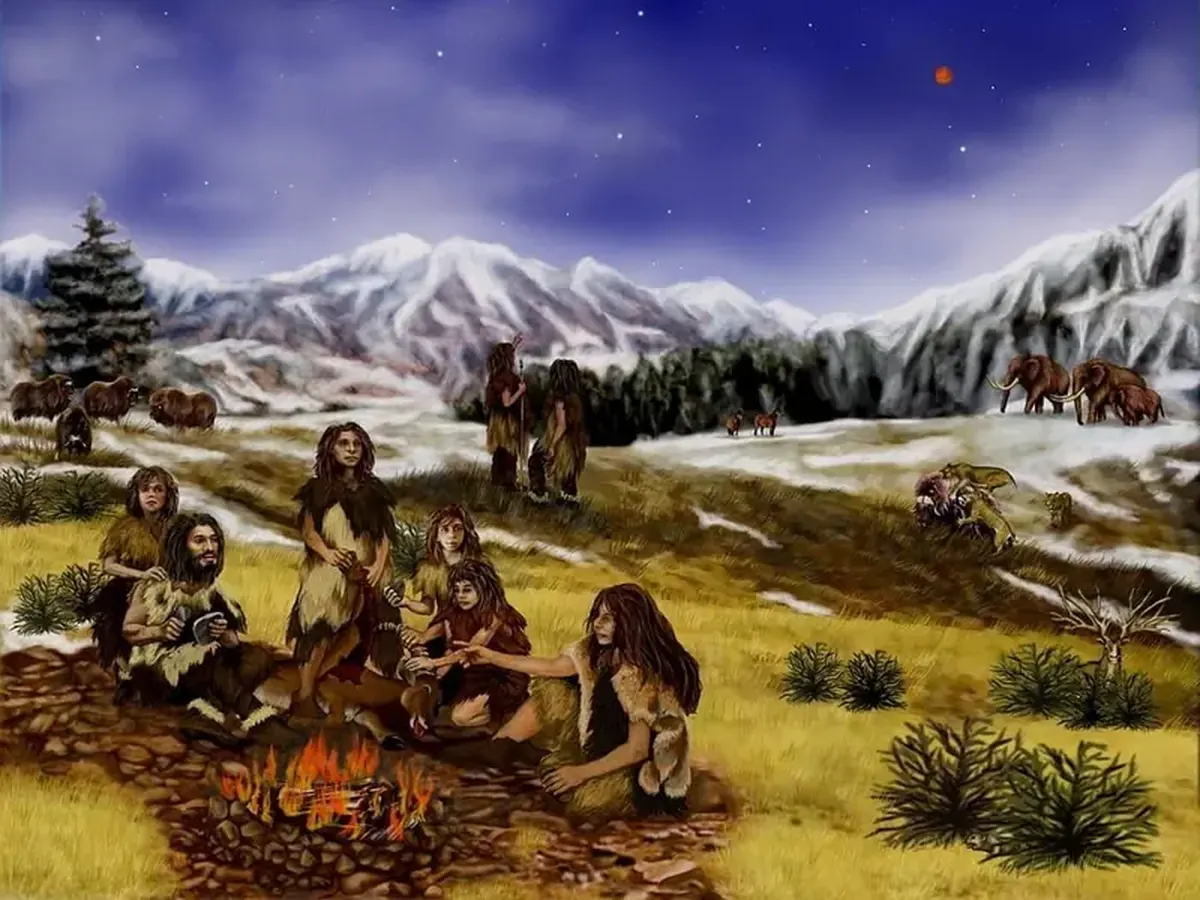
Climate change threatens humanity today — and new research suggests something similar happened nearly 900,000 years ago. At that time, early humans were on the brink of extinction, with their population dwindling to just 1,280 individuals.
Humanity Nearly Disappeared Due to Cooling
A new study says our species nearly vanished during a severe cooling period in Earth’s history called the Middle Pleistocene. The researchers describe it as a “critical threshold” that lasted more than 100,000 years and threatened humanity’s survival.
A team of Chinese researchers developed a model that looks at contemporary genetic lineages to estimate past population sizes. They applied it to DNA from 3,154 modern humans from African and non-African populations.
Their findings indicate that around 900,000 years ago, only about 1,280 ancestors of modern humans were left to reproduce, and this situation persisted for 117,000 years. Experts estimate that nearly 99 percent of the population was lost at the onset of this critical period for humanity.
A New Perspective on Human Evolution
The population decline coincided with climate changes that produced prolonged glacial periods, a drop in sea surface temperatures, likely extended droughts, and the loss of animal species that could have served as food sources. The last common ancestor of modern humans, Neanderthals, and Denisovans likely lived during this period.
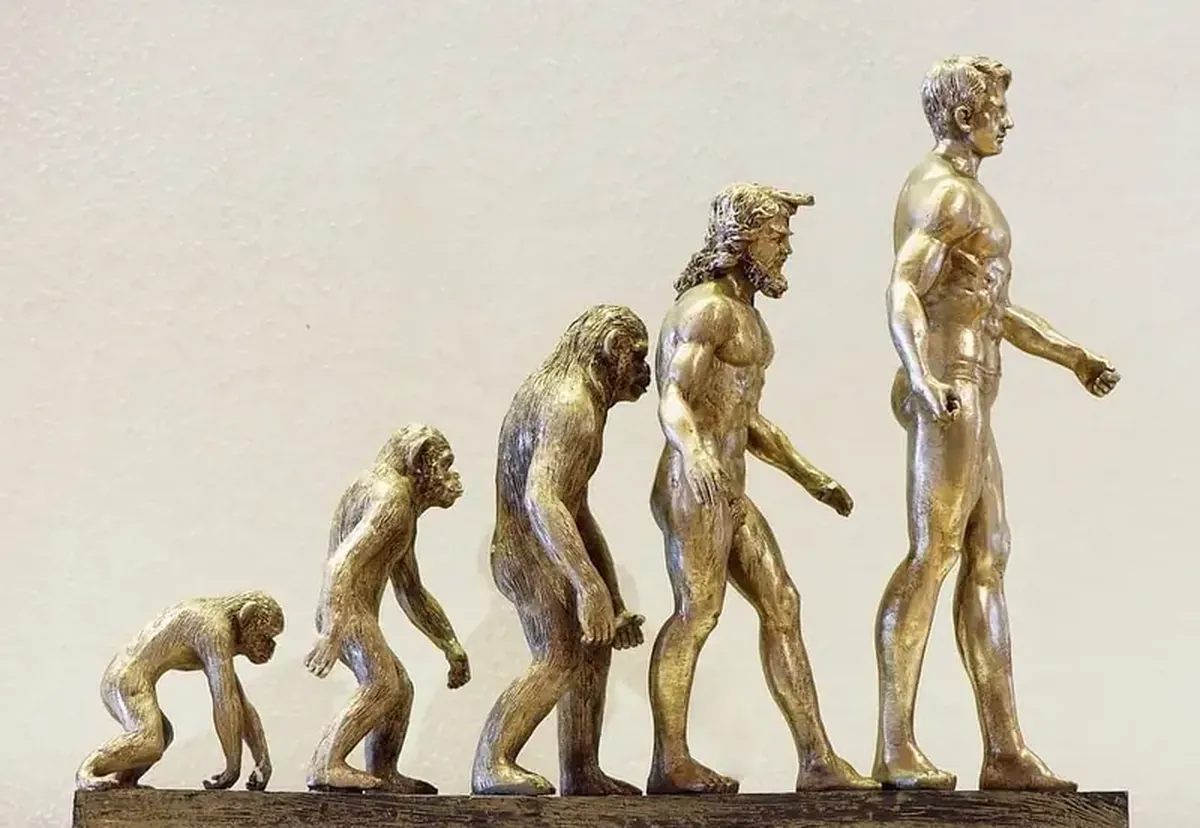 Lead author Yi-Syuan Pan told the Daily Mail that their findings “open a new field in human evolution.” She raised several questions, such as where these people lived, how they survived catastrophic climate changes, and whether natural selection accelerated the evolution of the human brain during this “critical period.”
Commenting on the study, British experts in human evolution—Nick Ashton and Chris Stringer—noted that the results suggest our ancestors underwent a major population change that began around 930,000 years ago and lasted nearly 120,000 years. They estimate that this led to a sharp reduction in the number of breeding individuals, bringing our ancestors close to extinction. The research highlights the vulnerability of early human populations and implies that the evolutionary line of humanity was nearly destroyed.
