
 Carlos Solis
We all remember those summers that seemed to stretch on forever—until the new backpack and bright notebooks pushed away the urge to stay at the pool. As adults, summer flies by: we plan vacations, count the days until Monday at work, and wonder why “Back to School” sales start almost in July.
What science says about why summers felt endless
Dr. Mark Wittmann, a research fellow at the Institute for Interdisciplinary Problems in Psychology and Mental Health in Freiburg, Germany, says it’s not about the calendar but about how we fill stretches of time—what moments we pack into them. New experiences, surprises, and anything that knocks the brain out of its routine stick in memory best. And childhood has a lot more of those moments—almost everything happens for the first time.
“In childhood, everything feels new: the first pony ride, the first trip to the circus, the first seaside vacation—all firsts. So we hold onto those memories as something special,” Wittmann says.
Also, the child’s brain is developing: not only is the experience new, but the child experiencing it changes every year.
“Every year the child becomes a different person,” Wittmann adds.
Why time seems to speed up as we get older
A common explanation boils down to proportions: a year at age five is one-fifth of life, while at fifty it’s only one-fiftieth. Wittmann admits that idea is appealing, but warns there’s no evidence the mind actually calculates lived time that way.
“It’s simple arithmetic and a very intuitively attractive idea. But the question is whether the brain really computes lived time that way, and there’s no evidence for it,” he says.
Instead, he says another dynamic matters more: at some point childhood ends, development slows, the brain stabilizes, and the world stops feeling so new. We’ve already had those summers and lay down fewer new memories—so in hindsight those periods feel shorter.
How memory changes as we age
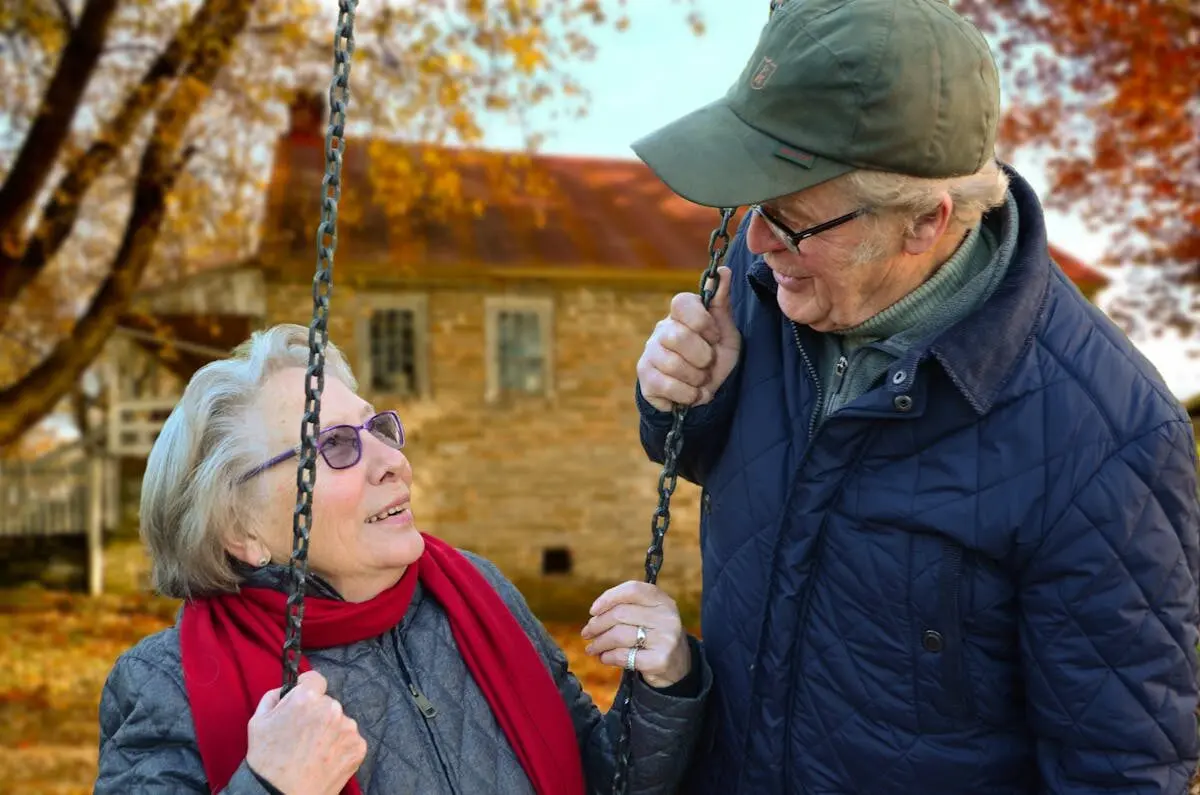
Wittmann and colleagues recently published a study in the journal Memory & Cognition that examined memory and time perception in adults aged 20 to 90. The result was surprising: older adults did not describe their memories as less vivid or faded—on the contrary, their retained memories were often more emotionally rich and felt more vivid than those of younger participants.
What did decline with age was the ability to encode subtle, routine moments of daily life. Wittmann links this to a range of cognitive changes that can begin as early as the thirties.
“Starting at 30, people already show a small decline; in the 50s and 60s it becomes more pronounced, and it becomes sharp in very old age. And that seems to correlate with the feeling that the last ten years have flown by,” he explains.

How to make your summers feel longer today
Bad news: you can’t get back the endlessness of childhood. Good news: you can influence how you experience time. Wittmann recommends seeking new experiences—travel, unfamiliar places, or new activities. Even small breaks in your daily routine help encode events into memory better. Maintain physical activity, social connections, and mental stimulation. These habits both enrich life and help slow the cognitive decline linked to aging.
“Very often people think they have to pack Saturday full of tasks. But when you’re too focused on a checklist, time flies again. Instead, try living your Saturday morning: start the day without plans, pay attention to your sensations, to what you want, and stay open to whatever comes up,” Wittmann advises.
He also emphasizes the role emotions play in cementing memories.
“Emotions are essentially the glue for memory. If an event causes strong emotions, it can stick with you for life,” he says.
Childhood summers felt endless not just because of nostalgia but because of how memory works: lots of first-time events and rapid brain changes created a dense map of memories. Adult life brings stabilization and fewer new impressions, so past years look shorter in retrospect. But we have agency: by seeking novelty, keeping the body and mind active, and honoring the present moment, we can make our days richer and more memorable—and feel time unfolding more slowly, Popular Science notes.
Photo: pexels.com
