
 Gaby
Gaby
June 10 marks World Ice Cream Day, a celebration that falls at the start of summer. The date is believed to mark the day in 1786 when ice cream was first sold in the United States. Two centuries later, American ice cream makers adopted the date to promote their brands. Free nationwide tasting events have become popular, and the tradition has since spread around the world. Let’s take a closer look at the star of the celebration.

Fun Facts About Ice Cream
- The earliest versions of ice cream trace back to ancient China, where people mixed milk and fruit with ice about 5,000 years ago and enjoyed the treat mostly among the elite.
- The first waffle cone filled with ice cream appeared in 1896.
- The tallest ice cream cone, measuring 13 feet and weighing over a ton, was created by British chef Heston Blumenthal.
- Americans consume the most ice cream, averaging about 20 liters per person each year—roughly four times the global average. Around 90% of U.S. households typically have at least one ice cream treat in the freezer.
- Globally, people consume about 15 billion liters of ice cream each year, the equivalent of filling about 7,000 Olympic-sized swimming pools.
- Ice cream is sold roughly every three seconds around the world.
- Vanilla is the most popular flavor, chosen by about one in three consumers, followed closely by chocolate.
- The chocolate-covered vanilla bar known as “Eskimo Pie” was created by American confectioner Christian Nelson.
- The French word for ice cream, “glace,” is linked to the village of Plombières-les-Bains in northeastern France, where versions of the product were first made.
- Glace differs from standard milk-based ice cream by its higher fat content; it’s typically made from condensed milk or heavy cream. Milk-based ice cream contains up to about 7% fat, cream-based ice cream ranges from 8–10%, and glace is usually around 10–11% fat.
Ingredients and Benefits
Craving ice cream might signal a deficiency in calcium, iron, or tryptophan—nutrients found in eggs, liver, and cheese. Ice cream provides calcium, protein, magnesium, potassium, phosphorus, and vitamins A, B1, B2, and B12. It can support bone health, help cardiovascular function, lower blood pressure, and stimulate mental activity.
Milk contains the amino acid L-tryptophan, which can reduce tension, calm the central nervous system, and improve sleep. Ice cream can help maintain energy and boost mood. It may also promote serotonin production, which can have a positive effect on emotional well-being.
Medicinal Effects
Cold can act as a mild stressor for the body. Eating ice cream may help the immune system adapt to temperature changes and seasonal infections during the summer. Many doctors do not discourage ice cream consumption during a cold: cold food initially cools the stomach, but as it digests it generates heat and can help warm the body. Ice cream can ease sore throat pain and provide comfort; to avoid throat irritation from the cold, eat it slowly and let it soften slightly after removing it from the freezer.
Doctors sometimes recommend ice cream for headaches and sore throats. Using ice cream to soothe the throat during tonsillitis and respiratory illnesses can be effective because the cold reduces swelling and the soft texture does not scratch mucous membranes. It’s one of the more pleasant forms of therapy—providing both relief and nutrition. Ice cream can help hydrate and nourish someone with a poor appetite, since few foods stimulate appetite during a sore throat. As a rich source of easily digestible energy, it can be an appropriate choice for patients weakened by illness.

Consumption Guidelines
Endocrinologists recommend enjoying sweet summer desserts like ice cream in the first half of the day, since the combination of sugar and saturated fats can raise LDL cholesterol and triglycerides, increasing the risk of arterial blockage. High-calorie ice cream is not advisable for people with diabetes, obesity, or gallbladder problems, since it can trigger bile duct spasms and digestive upset. Ice cream may also be risky for people with hypertension because of its animal fat content, and it is unsuitable for those with lactose intolerance.
Limit yourself to one serving of ice cream per day—about 100–150 grams—and keep up physical activity to help burn the extra calories. Some research suggests that low-calorie ice cream does not hinder weight control and that calcium may support fat metabolism. The fewer ingredients in the dessert, the easier it is to manage weight. Sorbet, made from fruit juice and pulp, is often the best choice. Dietitians also recommend plain glace without additives or fillers as a healthier option for cooling off and satisfying hunger. With a caloric content around 400–500 kcal, glace can be a balanced, easily digestible source of energy for both children and adults.

Ice Cream Recipes
The best way to avoid unwanted ingredients is to skip store-bought products and make your own. On Ice Cream Day, try these simple summer treats—you’ll find they aren’t difficult!
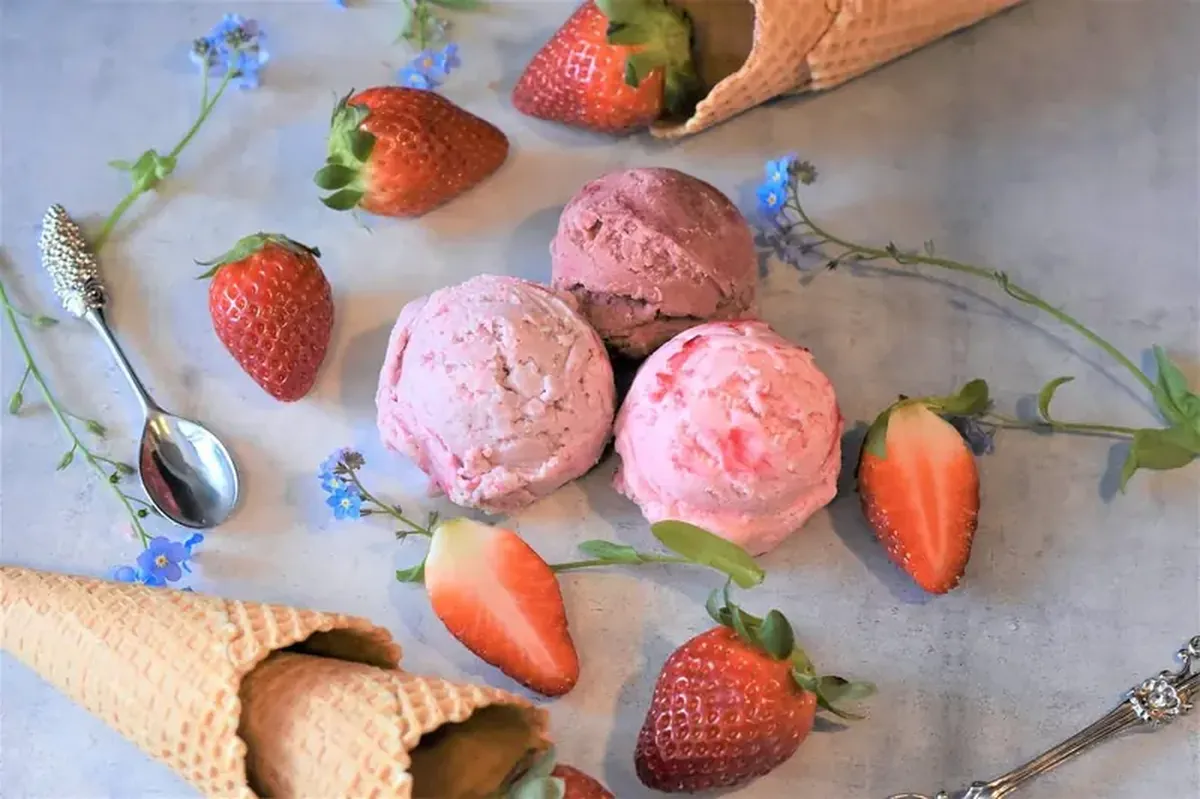
Homemade Strawberry Ice Cream
Ingredients: 300g strawberries, 0.5L milk, 1 tablespoon boiled condensed milk, 2 egg yolks, 3 teaspoons sugar, 1 teaspoon lemon juice, 1 teaspoon starch, a pinch of vanilla.
Separate the egg yolks and mix them with the sugar, starch, and vanilla. Add the lemon juice to remove the eggy flavor.
In a saucepan, gradually pour the yolk mixture into hot milk while stirring continuously until it comes to a boil. Remove from heat and let it cool. Once cooled, stir in the boiled condensed milk and add the strawberry puree.
Beat the mixture with a mixer to add air, pour it into molds, and place it in the freezer to set. The ice cream will be ready in about 7 hours.
Banana Ice Cream
Ingredients: 3 bananas, 300ml natural yogurt (3.2%), 2 teaspoons honey.
Slice the bananas and freeze them in a mold. After about 2 hours, transfer the frozen banana slices to a blender, blend until smooth, add the chilled yogurt, and blend again until creamy. Add honey to sweeten and blend once more.
Freeze the bowl with the mixture, then blend again after an hour. Transfer the ice cream to molds and return to the freezer. The dessert will be ready in about 2 hours; form into scoops and garnish with melted chocolate, jam, condensed milk, nuts, or fresh berries.
Two-Ingredient Ice Cream
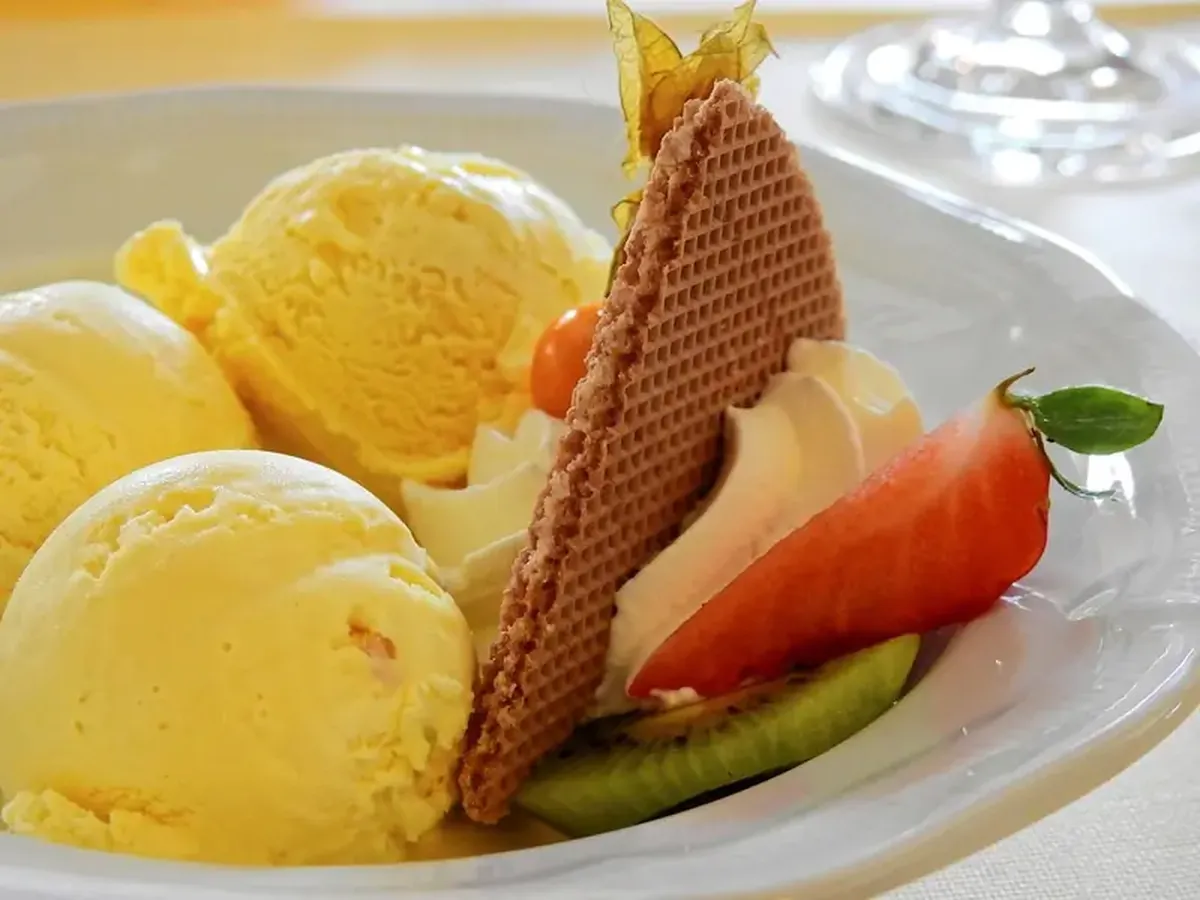
Ingredients: 250g condensed milk, 500ml heavy cream (33%).
Whip the heavy cream with a mixer, add the condensed milk, and whip again until the mixture reaches a thick, creamy consistency. Pour into a container and place it in the freezer. After an hour, whip the mixture again and pour it into portion molds. Freeze for about 6 hours to achieve the desired texture.
Serve the chilled dessert with berries or melted chocolate.
Homemade Cream Ice Cream
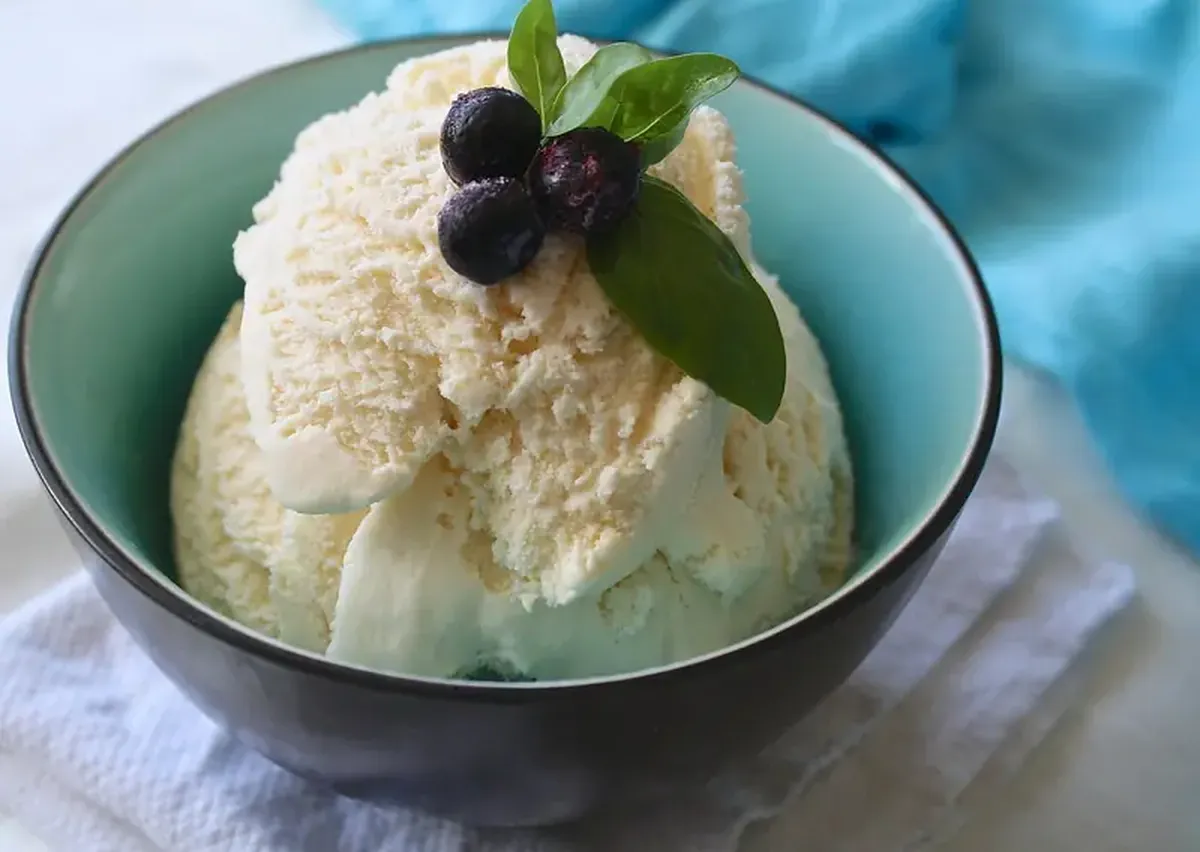
Ingredients: 3 eggs, 150g sugar, 1L milk, 250g butter, 2 tablespoons flour, a pinch of vanilla.
Remove the milk and butter from the refrigerator in advance and let them come to room temperature. While they warm, crack the eggs into a saucepan, add the sugar, and whip with a mixer until fluffy. Gradually add the flour and mix until smooth.
Pour the cold milk into the egg mixture and cook over medium heat, stirring constantly. When the mixture begins to thicken and rise, remove it from the heat.
Add the butter and vanilla to the custard and mix until the butter is fully incorporated. Transfer the mixture to a container and place it in the freezer to set, stirring every 30 minutes. Serve the cream ice cream with syrups, berries, or fruit.
Fruit Ice Pops
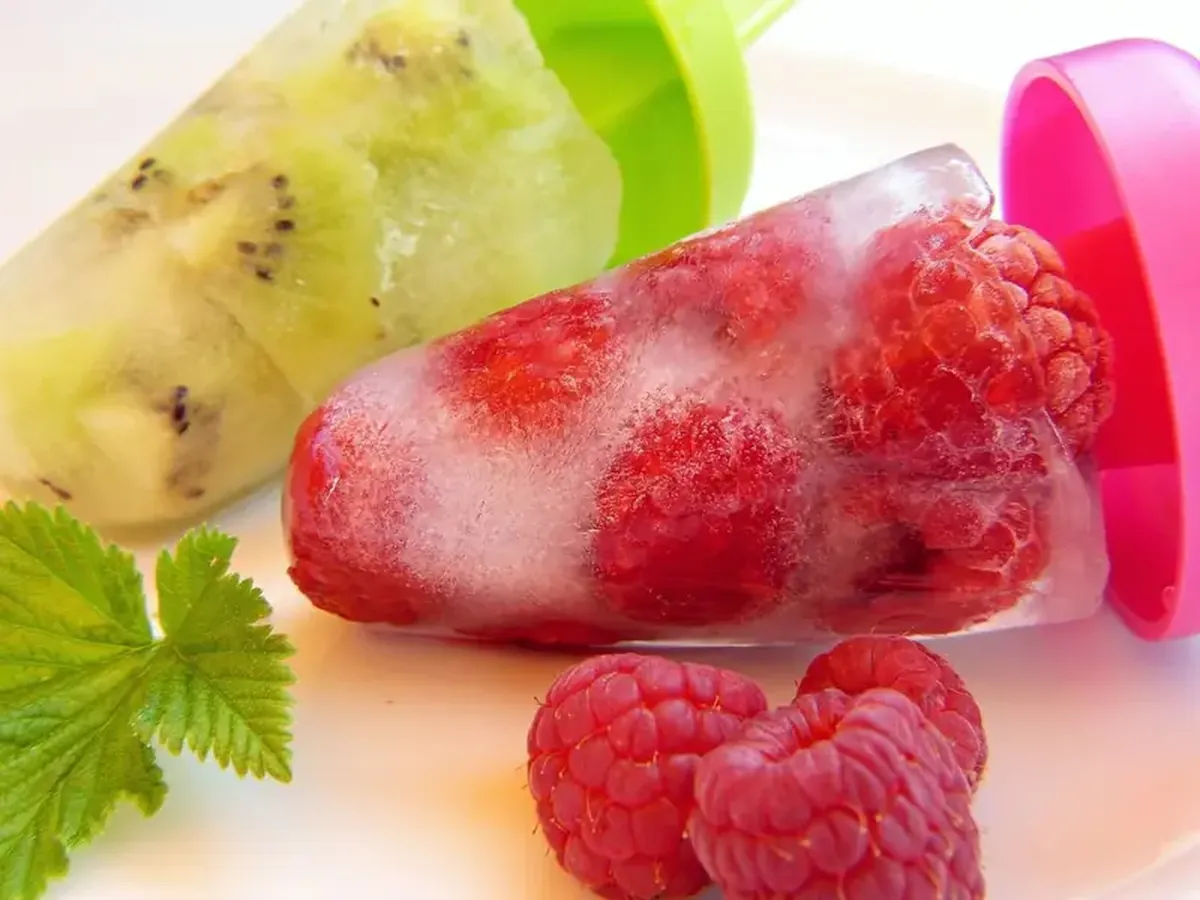
Ingredients: 300g strawberries, 2 kiwis, 2 tablespoons sugar, 1 tablespoon lemon juice, 150ml water.
Pour the water into a saucepan, add the sugar, and heat until the sugar dissolves. Remove from heat and stir in the lemon juice.
Blend the strawberries and kiwis separately. Pour a little of the sugar syrup into each fruit puree in separate containers. Fill one plastic ice pop mold halfway with strawberry puree and another with the kiwi mixture. Place the molds in the freezer.
After an hour, insert wooden sticks into the partially frozen fruit mixture and pour in the remaining puree. Return the pops to the freezer for about 3 hours until fully set.
Before serving, dip the molds in hot water for a few seconds to help release the pops. Enjoy once they come free from the molds.
Chocolate and Condensed Milk Ice Cream
Ingredients: 1 can of condensed milk, 500ml heavy cream (30%), 100g dark or milk chocolate, 1 packet of vanilla sugar.
Chill the cream, mix it with the vanilla sugar, and whip with a mixer. Pour in the condensed milk, add the grated chocolate, and mix everything together.
Cover the container with plastic wrap and place it in the freezer for an hour. Remove and whip the mixture again to break up any ice crystals. For a creamier texture, repeat this process twice.
Leave the ice cream in the freezer overnight, and in the morning treat your loved ones to a delicious breakfast!
