
 Gaby
Gaby
Doctors estimate that eight out of ten people will develop the “silent” condition known as hemorrhoids at some point in their lives. Even Napoleon Bonaparte suffered from it—his unbearable pain may have contributed to his army’s defeat at Waterloo.
What are Hemorrhoids?
Hemorrhoids are a common venous condition linked to modern lifestyles. They’re similar to varicose veins and thrombophlebitis, but they occur in the lower rectum rather than in the legs. Dilation of the cavernous vessels in the rectum is the most common manifestation. Hemorrhoids can be accompanied by thrombosis, anal fissures, swelling of the anus, abscesses, rectal fistulas, and purulent paraproctitis.
Hemorrhoids: Symptoms
At first, swelling of the internal folds of the anal canal feels like a foreign body in the rectum. Later, that sensation is joined by heaviness, itching, and burning. When hemorrhoidal nodules begin to protrude, blood and mucus irritate the skin. The next sign of worsening is bleeding of varying intensity during bowel movements. After that, pain and protrusion of hemorrhoidal nodes from the anus can occur. The pain can affect daily life—during bathroom visits, while sitting, and even while walking.
Hemorrhoids: Causes
A sedentary lifestyle, frequent heavy lifting, poor diet and overeating, obesity, alcohol abuse, and irregular bowel movements can all lead to hemorrhoids. The condition affects both men and women. In many cases, the causes trace back to a careless attitude toward overall health.
Preventing Hemorrhoids
To avoid your own personal Waterloo, follow these proctologists’ recommendations:
- Avoid lifting heavy objects;
- Prevent constipation—straining during bowel movements and prolonged diarrhea can dilate the veins in the anal canal;
- Drink plenty of fluids and eat more fiber-rich foods;
- Avoid excessive coffee, spicy foods, beer, and carbonated drinks;
- Monitor your salt intake: salt retains fluid in the bloodstream and can cause swelling of the veins in the anus;
- Watch your weight—overweight people often experience more venous problems because of added pressure on the lower body.
The most reliable prevention is paying attention to your body.
Consequences of Hemorrhoids
External hemorrhoids can flare up periodically when triggered. With proper treatment, exacerbations often subside within one to two weeks. Ignoring the causes that lead to swelling of the hemorrhoidal veins can turn the condition chronic. Delaying a medical exam can lead to serious consequences. A ruptured hemorrhoid can cause shock and low blood pressure from excessive blood loss. Neglecting the issue can also lead to polyps and malignant tumors. While a hemorrhoidal node does not directly transform into cancer, untreated polyps—such as those seen in diffuse polypoid rectum—can have a high likelihood of becoming malignant. This is why prompt treatment is important.
The Later You Wait, the More It Costs
Internal and external hemorrhoidal nodes do not resolve on their own. Ointments, suppositories, and folk remedies can manage symptoms, but complete removal requires a qualified procedure. Some treatments can be done on an outpatient basis in a proctologist’s office. In early stages, most proctological conditions respond well to treatment; the choice of method and duration depends on severity and any accompanying diseases. Treating advanced hemorrhoids in a day hospital is possible—procedures such as hemorrhoidal dearterialization with suture ligation can take about 40 minutes under local anesthesia—but surgical outpatient methods are not always widely available. In typical practice, a patient who has a painful hemorrhoidectomy may need an extended hospital stay and time away from work. Delaying a visit to a proctologist is unwise.
Stages of Hemorrhoid Treatment
In the early stages, doctors often use a combination of conservative therapy and minimally invasive procedures. Phlebotropic medications, ointments, and suppositories can relieve itching, inflammation, swelling, and pain. First-stage hemorrhoids are often treated with sclerotherapy or infrared photocoagulation. Second-stage treatment commonly uses latex ligation: a special instrument places a latex ring around the hemorrhoidal node to cut off its blood supply; within a week the node with the constricted pedicle falls off on its own. In the third stage, physicians combine various minimally invasive, outpatient techniques. In the fourth stage, surgical intervention is usually the only effective option.
Pharmacy Arsenal
How can you manage the condition without surgery? Start with local treatments—rectal suppositories, ointments, and creams. For moderate inflammation, doctors may prescribe analgesics, nonsteroidal anti-inflammatory drugs, hemostatics, and venotonics. Local steroid medications (glucocorticoids) include Aurobin; systemic options include Xefocam and diclofenac. Anticoagulant properties are found in heparin ointment and in products such as Troxevasin, troxerutin, and Bezornil. Pharmacies also offer a wide selection of rectal suppositories, including Proctosan, Procto-Glyvenol, methyluracil, Nigepan, Betiol, Anestezol, and ichthyol candles, among others.
Self-Help
Apply local cold compresses to reduce swelling and dull pain: during flare-ups, place a frozen towel or ice pack for 15 minutes every hour. Take a cold sitz bath or a warm sitz bath with St. John’s wort, chamomile, sage, or onion peel to relieve itching and burning. Take a steam sitz bath over a pot of hot herbal decoction if convenient. Eliminate fatty, spicy, and fried foods from your diet. Avoid sweets, pastries, white bread, canned goods, alcohol, coffee, and foods that can complicate bowel movements—such as rice, legumes, potatoes, cabbage, and radishes.
How to Get Rid of Hemorrhoids at Home?
Since ancient times, people have treated hemorrhoids with celandine juice, ice candles made from chamomile decoction, and homemade suppositories made from crushed garlic and butter. Folk remedies often recommend natural approaches for this delicate problem.
For External Use
Mix pig internal fat (mesh) and bile in a 5:1 ratio. Do not rub the ointment in; apply it to the affected area.
Pour 3 tablespoons of elecampane root with a glass of water and simmer it in a water bath until it reaches a sticky consistency. Strain and mix with melted lard in a 1:4 ratio. Apply compresses with this ointment to the problem areas overnight.
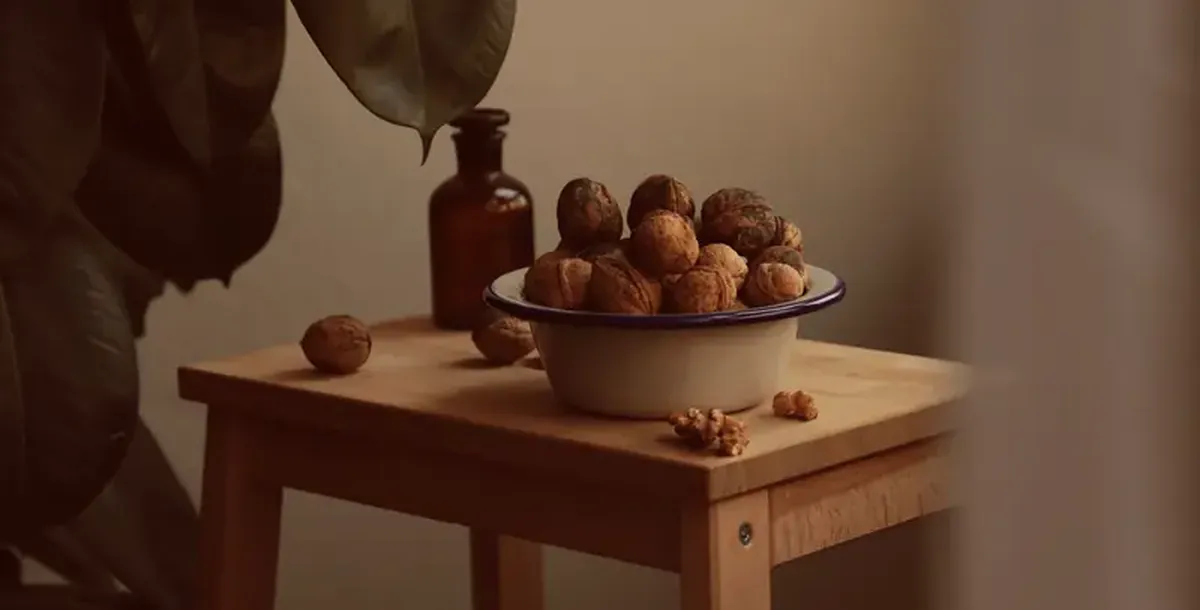
Use walnut oil to help heal fissures associated with hemorrhoids.
Healing Decoctions and Infusions
- Brew a mixture of nettle leaves, motherwort, and buckthorn bark in a 1:1:2 ratio with a glass of boiling water. Let it steep for 10 minutes in a warm place and drink half a glass three times a day for 14 days.
- For constipation, prepare a two-week nettle treatment: mix 3 parts buckthorn with 1 part nettle leaves and 1 part yarrow flowers. Pour 200 g of boiling water over the mixture, let it steep for half an hour, strain, and drink half a glass at night.
- To cleanse the vessels, combine 1 glass of dill seeds, 2 tablespoons of valerian root powder, and 0.5 liters of natural honey in a 2-liter jar. Fill the jar with boiling water, wrap it for a day, then strain and take 1 tablespoon three times a day half an hour before meals.
- Grind equal parts chamomile flowers, yarrow, rue, chestnut fruits or flowers, plantain leaves, white willow bark, and raspberry root, flowers, and leaves into a powder. Brew 2 tablespoons of the mixture with 600 ml of boiling water, bring to a boil, then remove from heat and let steep overnight. Drink 150 g in the morning and evening; use the remainder for an overnight compress.
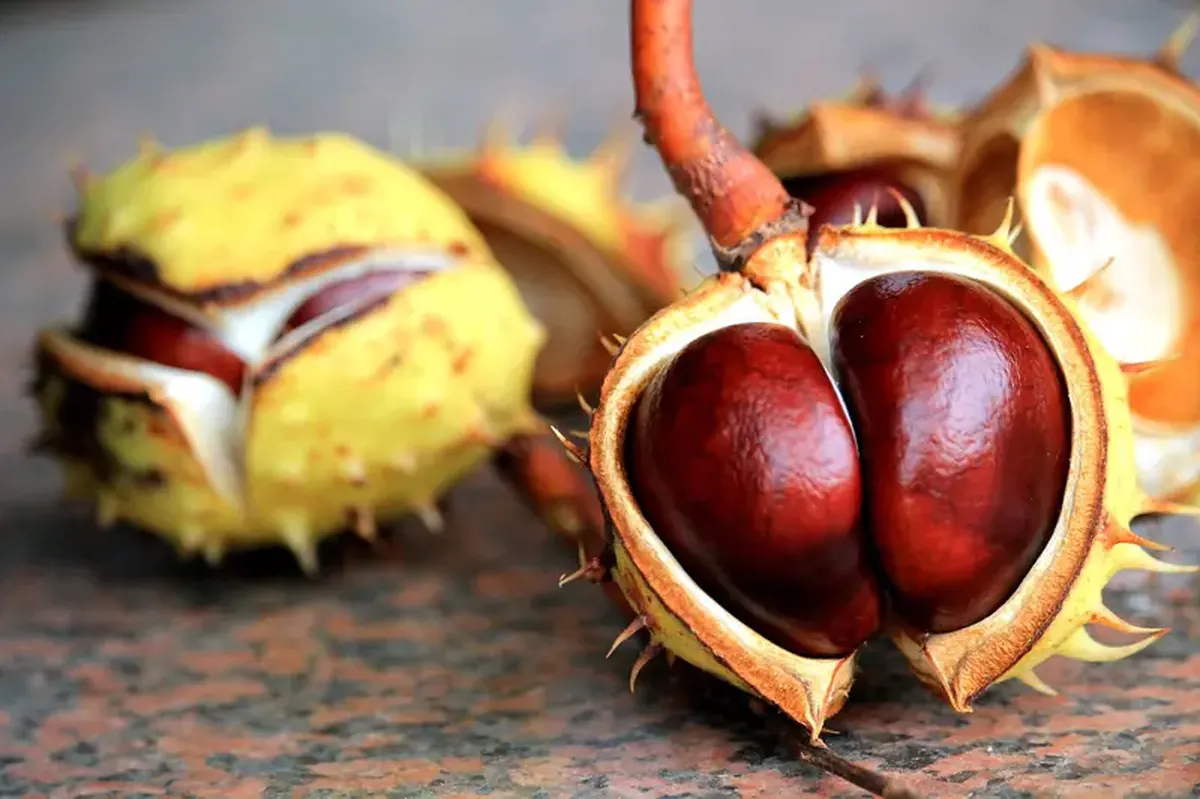
- Prepare a horse chestnut infusion to reduce blood clotting and strengthen capillary and vein walls: steep 50 g of chestnut flowers or fruits in 0.5 liters of vodka for 2 weeks in a warm, dark place, shaking daily. Take 30 drops four times a day for a month.
- To tone the veins, pour 15 g of verbena leaves with a glass of boiling water and steep. Take 1 tablespoon every hour for 3 days.
- Pour 1 tablespoon of crushed hazel bark into 500 ml of boiling water, boil for 10 minutes, strain, and drink half a glass four times a day before meals.
- Prepare a decoction from 2 tablespoons of medicinal verbena per glass of water and drink 1 tablespoon three times a day.
- Pour 2 tablespoons of May hazel leaves into 0.5 liters of boiling water and let steep for 2 hours. Drink half a glass four times a day before meals.
- Combine 250 g of crushed peeled garlic with 350 g of liquid honey and let steep for about 2 weeks. Take 1 tablespoon three times a day half an hour before meals for a 2-month course.
- Add 2 teaspoons of apple cider vinegar to a glass of warm boiled water and drink before meals.
- Pour 4 tablespoons of marjoram herb with a glass of boiling water and drink one-third of a glass three times a day before meals.
- Make a herbal mix: 15 g buckthorn bark, and 10 g each of yarrow, lemon balm, and blackthorn flowers. Use 1 tablespoon of the mixture per glass of water for the decoction. Drink a glass in the morning and evening.
- For varicose veins, eat figs often—fresh or boiled in water or milk. Do not use figs if you have inflammatory diseases of the gastrointestinal tract, diabetes, or gout.
