
 Gaby
Gaby
HouseWife invites you to explore the world of sleep with a curious mind. We delve into jet lag, sleep paralysis, prophetic dreams, the “Sleeping Beauty” syndrome, placebo sleep, and more. Discover the siesta, the dreams of the blind, sleep positions, and how much rest is healthy.
“Rehearsal for Death”: Chilling Facts About Sleep
Philosophers have long compared sleep to a “daily death,” “dying on a budget,” or a “lifetime exercise in dying.” To study the physiology of sleep, a specialized branch of neurology called somnology exists. The medical discoveries from that field can unsettle even the most stoic reader.
No Cause, No Cure
The “Sleeping Beauty” syndrome affects more than just the fairy-tale heroine: this rare neurological disorder (about one to two cases per million) has been documented on every continent and is being reported more often. Contrary to the fairy-tale image, this prolonged-sleep condition typically affects young men rather than maidens.
In medical terms, periodic hypersomnia is known as Kleine-Levin syndrome, named after researchers who described multi-day sleep attacks in 1925 and 1936. Although the first clinical description dates back to 1786 by French physician Edme Pierre Chavot de Bausset, this long-known disorder of the nervous system remains poorly understood. Scientists link episodes of total drowsiness, which occur once or twice a year and last from three days to three weeks, to neuroendocrine disruption, but no specific treatments have been developed.

A Teenager’s Illness
Excessive sleepiness and difficulty waking can literally knock a person off their feet, yet the condition often follows a benign clinical course and can resolve on its own. It typically begins during adolescence (about 81% of cases). Male sex, early onset (before age 12), and late onset (after age 20) predict a longer course. While episodes tend to fade with age, the average duration of the disorder is 14 years, and in some cases it can last up to 18 years.
During hypersomnia episodes, people may sleep 18–20 hours a day, waking only for basic needs. In brief awakenings, patients show lethargy, apathy, derealization (altered perception of the environment), and retrograde amnesia (memory loss). Women often have symptoms of depression and anxiety, while men may show increased sexual drive. Sometimes the symptoms are limited to periodic drowsiness. During an episode, patients are bedridden and, due to psychomotor suppression, cannot work or study, even though other physical indicators may appear normal. Between episodes, patients can seem completely healthy.
Dangerous Experiments
It’s alarming to realize we spend roughly 25 years of life sleeping. Humans are considered unusual among mammals in their ability to resist natural drowsiness, but doctors do not recommend intentionally depriving yourself of sleep. Shortening the “lost time” of sleep is impossible without harming health.
Brutal animal experiments showed that sleep is more crucial than food. Puppies who could survive weeks without food died after only five days of enforced wakefulness. Sleep-deprived rats died within two to three weeks. Lack of sleep in lab rodents reduced their ability to heal wounds and to generate new brain cells.
The dangers of extreme wakefulness were also shown in humans. In 1959, American radio host Peter Tripp stayed awake for eight days and nine hours during a live charity event. After 201 hours without sleep, he experienced paranoia, cognitive decline, and auditory and visual hallucinations. Fortunately, those effects were not permanent.
Records – Banned
The last well-documented record for sleep deprivation was 264 hours (11 days) awake by Randy Gardner, a high-school student from San Diego. In early 1964, the 17-year-old took part in a supervised project with Stanford professor William Dement and Colonel John Ross. Hallucinations began on the fourth day: he mistook a person for a road sign and felt like an American football player. By the end, he couldn’t complete simple counting tasks because he forgot what he was doing.
Afterward, the Guinness Book of World Records stopped recording such feats to discourage dangerously risky behavior. That didn’t stop everyone: in 2007, a 42-year-old UK livestream host named Tony Wright stayed awake for 274 hours, with viewers watching him grow increasingly fatigued, speak disjointedly, and experience altered perception in real time.

Body’s Reaction
Psychiatrists in Arizona concluded that the brain adapts to prolonged wakefulness by alternately shutting down and activating different groups of neurons. After one day without sleep, vision and hearing worsen, body temperature drops, chills can appear, muscle tension rises, and stress hormones (cortisol and adrenaline) increase while insulin levels fall, which can raise blood sugar. Sleep loss also triggers overeating by lowering leptin, the appetite-suppressing hormone. Under stress, the brain conserves energy by temporarily switching parts of itself into a “local sleep” mode.
After two days awake, speech becomes disrupted, decision-making worsens, thinking slows, and motivation drops. The threshold for recognizing emotions is reached after about 30 hours without sleep. After 48 hours, brief microsleeps—unconscious moments lasting a few seconds—can occur. Susceptibility to infections and disorientation rise.
After three days or more, mental functioning deteriorates further: psychotic symptoms often accompany diminished cognitive abilities, making simple tasks difficult. Illusions and memory loss are common. Heart rate can become rapid and irregular, mood declines, professional skills suffer, and communication becomes harder. Proper nutrition and hydration may ease some symptoms, but they cannot replace sleep.
Consequences of Sleep Deprivation
Not only extreme, torture-like deprivation is harmful—everyday chronic sleep loss is dangerous too. The cumulative effect of regular sleep deficiency mirrors the symptoms of total sleep loss and can even reduce fertility and increase the risk of respiratory arrest.
Childhood Delays
Sleep deprivation hits children especially hard. Kids and teens need more sleep than adults. Childhood sleep deficits can trigger falling grades, social and communication problems, risky relationships, harmful habits, stunted growth, and delayed physical development.

Breathe Deeply
Regular breathing interruptions—10–15 times per hour—are a sign of sleep apnea syndrome. This is a serious diagnosis with poor long-term prospects for untreated patients. For people whose breathing repeatedly stops, sleeping can be as dangerous as not sleeping. Apnea involves temporary cessation of ventilation during sleep, lasting from ten seconds to three minutes; in severe cases it can occupy up to 60% of total sleep time.
Sleepy as a Drunk
The U.S. Centers for Disease Control and Prevention point out that a full day without sleep produces impairments comparable to a blood alcohol concentration around 0.08–0.10%—well above most legal driving limits. Operating machinery after a sleepless day is as risky as driving drunk. If someone sleeps six hours a night for 12 consecutive nights, their impairment can be equivalent to about 0.1% BAC. Symptoms mirror alcohol intoxication: slurred speech, loss of balance, poor coordination, and forgetfulness.
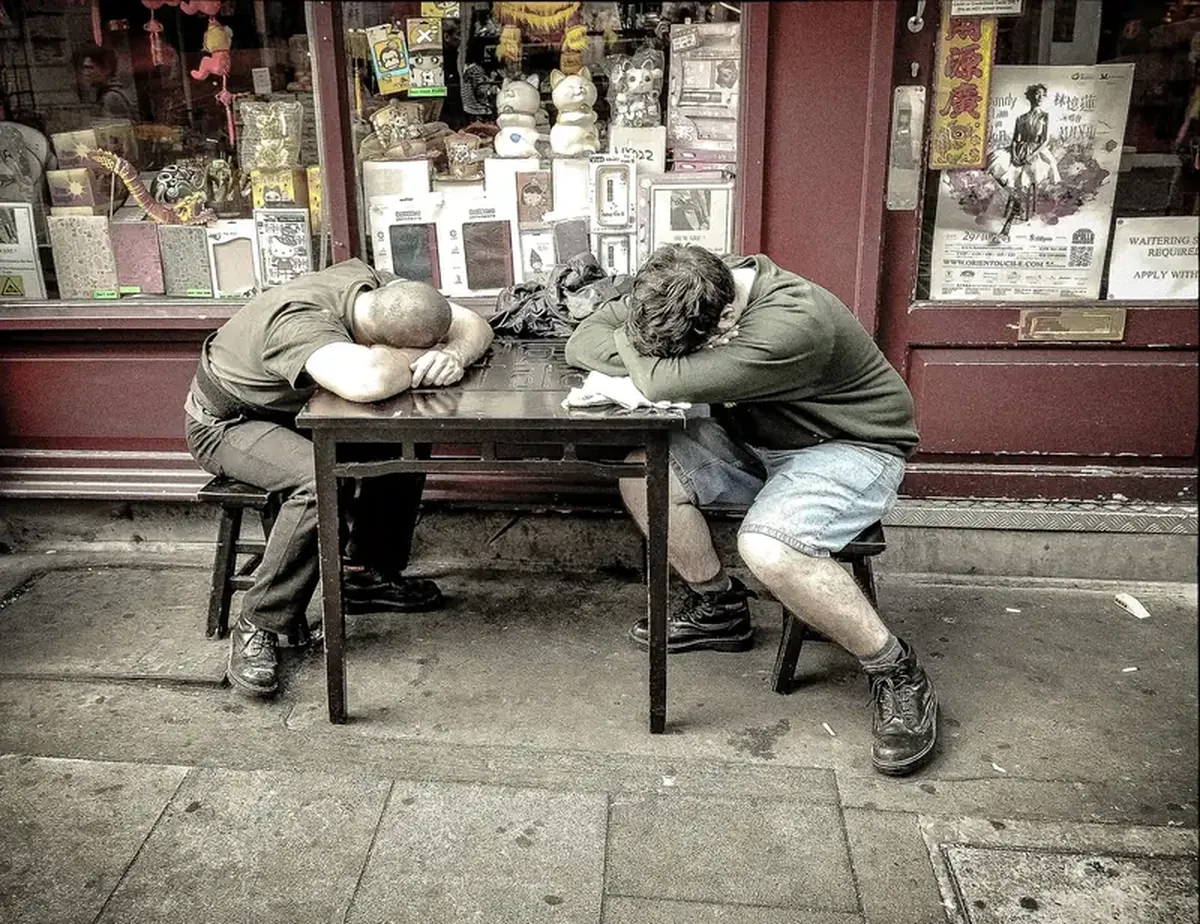
Scientific Paradoxes: Fascinating Facts About Sleep
Apart from insomnia, sleepwalking, and narcolepsy, researchers recognize roughly 80 sleep disorders, and as sleep science advances, that list keeps growing.
Placebo Sleep
Studies show that when people are sleep-deprived, they can sometimes be energized simply by being told they rested. This effect is called placebo sleep. In experiments, sleep-deprived participants stopped yawning and performed better on cognitive tests after doctors assured them they had slept well. In some trials, volunteers who hadn’t actually slept performed better on tasks than those led to believe their brains were fatigued.
Fighting Fire with Fire
Therapists sometimes use controlled sleep deprivation to treat depression and reset disrupted sleep patterns. When paired with cognitive-behavioral therapy and, in many cases, antidepressant medication, brief, supervised sleep restriction can help restore a normal sleep–wake cycle. Swiss psychiatrists report favorable effects in many patients using this approach, with rapid improvement in a sizable portion of cases when combined with pharmacology.
Guarding Immunity
German studies link immune function to sleep duration. Chronic sleep deprivation weakens immunity and increases illness frequency. During sleep, lymphocytes—especially T cells—process information about invading pathogens and trigger antibody production when they recognize a threat. Constant sleep loss disrupts that pathogen-scanning process, which can lead to errors in immune recognition and the recurrence of recent infections that then require repeat treatment.
Deviation from the Norm
Some famous geniuses reportedly slept far less than average. Nikola Tesla allegedly needed only two hours a day, Albert Einstein about four hours, and Leonardo da Vinci favored 15-minute naps every four hours. These anecdotes suggest that highly driven or excited people sometimes function on less sleep, similar to how adrenaline keeps warriors going in dangerous situations. Still, sleep typically overwhelms people in depressed states.
Leaders’ Schedule
There are reports that Donald Trump sleeps about three hours a night, while Margaret Thatcher and Winston Churchill managed on roughly four hours. Fans of short nighttime sleep sometimes compensate with daytime naps.
How Much Sleep Do We Need?
Can anyone get by on two hours a night like the legends claim? Sleep specialists say healthy sleep duration depends on age and genetics. Newborns may need up to 18 hours a day, schoolchildren about 10 hours, adults aged 25–55 around 7.5–8 hours, and older adults may recharge with about 6.5 hours. Still, about 30% of people sleep no more than six hours—a duration that’s truly sufficient for only a small minority of the population.
Innate Predisposition
Genetics shape sleep needs. People with a mutation in the DEC2 gene naturally sleep fewer hours—about four per night—yet still recover fully and show no negative effects from short sleep. Such short-sleep variants are rare, perhaps making up a small percentage of the population.
Sleep or Life
Researchers at the University of Warwick and other groups have found an association between sleep duration and longevity: both too little and too much sleep link to health problems. A decade-long study of about a million volunteers found that sleeping less than seven hours or more than nine hours a day is associated with higher rates of depression, diabetes, and cardiovascular disease. Both sleep deprivation and oversleeping appear to increase the risk of premature death by roughly 30% in some analyses.
Time for Sports
Physical activity generally improves sleep: regular exercise strengthens nighttime rest and reduces daytime sleep needs. However, working out right before bed can make falling asleep harder.
Wonders of Nature
Dolphins alternate sleeping between brain hemispheres to keep control of their breathing. Frigatebirds can sleep during long flights, but usually no more than about 42 minutes a day. Giraffes need only around two hours of sleep per day, while ferrets and opossums may require 18 hours or more.
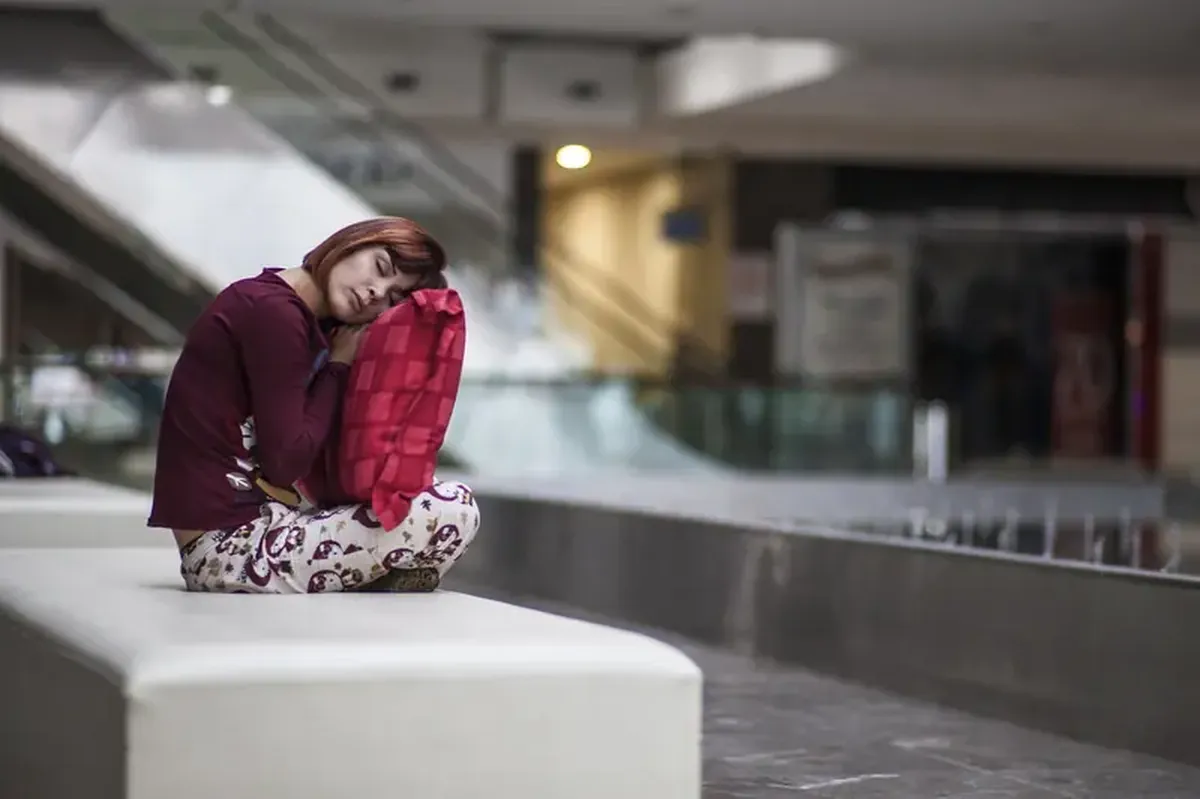
“Personal Movie Screening”: Incredible Facts About Sleep
Haruki Murakami called dreaming “the only right activity in the world.” Clinically, many people with sleep disorders are guided by misconceptions about how much sleep they need. Slow-wave sleep restores the body’s physical resources, while REM sleep supports creativity—so tailoring your routine to which sleep stage you need most can improve life quality.
Dreams or Mental Hospital
Sleep relieves the brain, but simply lying down is not enough: dreaming matters. In experiments where volunteers were repeatedly awakened during REM sleep to prevent dreaming, three days without dreaming produced irritability, distractibility, difficulty concentrating, and even hallucinations—even though participants still spent time in bed.
More Color
About 64% of human dreams involve sadness, anger, irritation, fear, anxiety, or bad premonitions. Joy appears in only about 18% of dreams. Vivid, colorful dreams are common—75–95% of people report them—but before color television, only about 15% said their dreams included color. Dream palettes vary with emotional and physical state: calm people tend to dream in blues and greens, plentiful reds may signal fever or illness, and stress often produces monochrome dreams. Only about 5% of people report exclusively black-and-white dreams, and roughly one in a hundred reports not dreaming at all.
Smart People Have More Fun
Surveying 2,000 people about their dreams, researchers found that those with higher IQs tend to remember dreams better. People with more daytime cognitive activity have more vivid nighttime narratives because the brain is organizing more new information; when there’s less daytime activity, the brain produces less spectacular dreams.
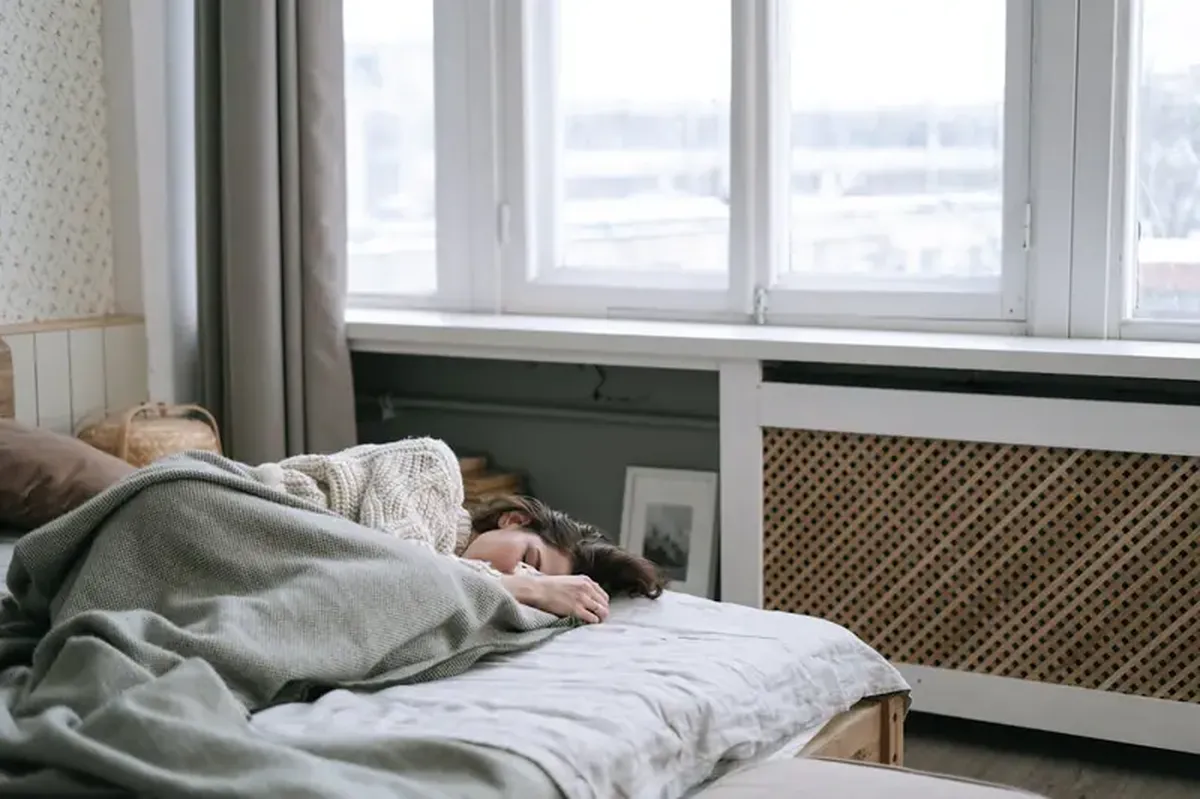
Blind Dreams
For people who became blind after birth, dreams often include visual images from memory, so falling asleep can be a chance to “see” again. People who are congenitally blind do not see images in dreams; their dreams are made of sounds, smells, emotions, and tactile sensations.
Controlling Dreams
Dreams can be controlled. In lucid dreaming, people are aware they are dreaming and can influence the dream content while remaining asleep.
Expanding Horizons
Researchers have shown that dreams can help resolve real-life problems and reveal solutions or overlooked possibilities that the waking mind missed.
We’ve Met Somewhere
Studies suggest that in dreams we only encounter people we’ve seen before. The subconscious doesn’t invent entirely new faces; a “stranger” in a dream is usually someone encountered previously.
The Future is on the Pillow
Sleep specialists take prophetic dreams seriously: research has documented instances where dreams anticipate future events or decisions.
The Nature of Jet Lag
Jet lag is the mismatch between an individual’s internal biorhythm and the local circadian rhythm, often triggered by rapid travel across time zones.
Sleep Paralysis
The jolting body sensations that occur while falling asleep are called hypnic jerks. During REM sleep, the brain inhibits movement to prevent acting out dreams. Sleep paralysis is a stressful but harmless state that can last a few seconds to two minutes and may include panic, shortness of breath, rapid heartbeat, pressure sensations, disorientation, and the illusion of movement. People may feel a presence in the room and experience auditory or visual hallucinations. At times, a sleeper may convulse as if being thrown in bed when they jerk awake.
What Sleep Position Reveals
Sleeping position has been linked to personality and psychological state. People who sleep on their backs with legs straight and arms at their sides are often calm and content. Those who curl into a ball may be seeking protection. People who rest on their sides are often described as rational. Those who sleep on their stomachs are sometimes thought to be people who struggle with personal boundaries or lead sedentary lives. Lingering in bed after waking or reluctance to get up can be a symptom of depression.
Sleep in Reserve
Scientists recommend preparing for an expected sleepless night in advance. Sleep deprivation is easier to endure if you accumulate extra sleep beforehand: go to bed earlier and wake up later in the days leading up to it.
The Scent of Dreams
Researchers at Heidelberg University found a link between scent and sleep quality. Unpleasant odors tend to trigger heavier, darker dreams, while pleasant scents—fruity, herbal, floral, or “fresh” aromas—encourage brighter dreams, deeper sleep, and brain relaxation. Some training methods even pair familiar scents with learning to help consolidate memories during sleep and improve retention.
Time to Recharge
Nearly 40% of people favor an afternoon nap. Research on biorhythms shows productivity dips after about 16 hours awake, typically between 2 PM and 4 PM. In hot climates that window often becomes siesta time. Some workers benefit from a break about eight hours after waking; while a nap restores physical energy, a midday pause can also boost creativity.
Stirlitz’s Mistake
Australian researchers suggest a 10-minute power nap can offset the worst effects of a sleepless night and keep you alert for the next two to three hours. The longer “Stirlitz” nap—20–30 minutes—may require a ramp-up of about two hours afterward. In any case, a short nap cannot fully replace a full night’s sleep.
