
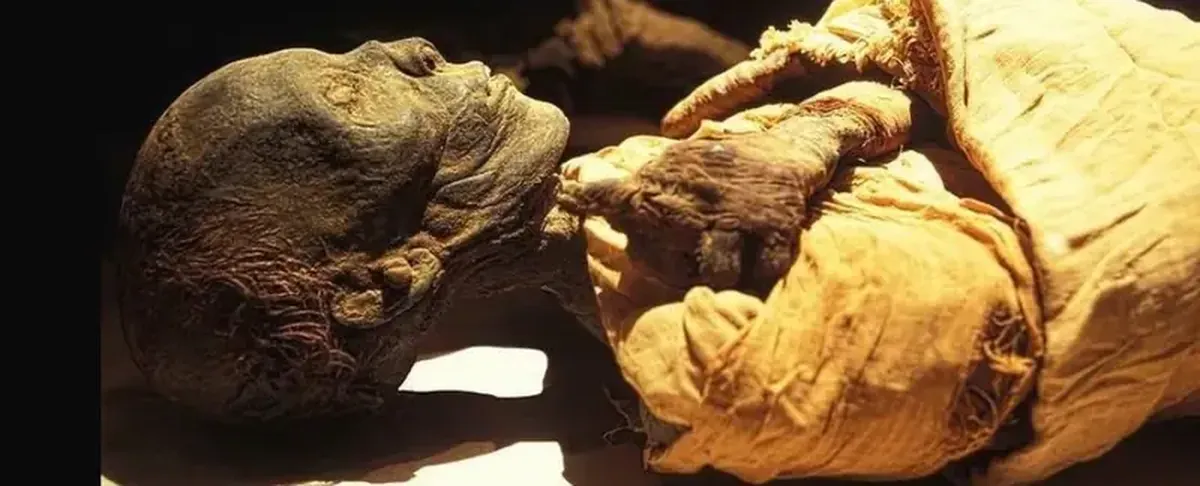
A team of Egyptian and British researchers has discovered a tomb near Luxor that belonged to Pharaoh Thutmose II of the 18th Dynasty, who ruled around 3,500 years ago.
The Egyptian Antiquities Authority announced the find. It’s the first pharaonic burial discovered since Tutankhamun’s tomb was found in 1922.
It was previously believed Thutmose II’s mummy had been found in 1881. But the team that uncovered the original burial site now doubts that those remains were his.
What We Know About Pharaoh Thutmose II and His Tomb
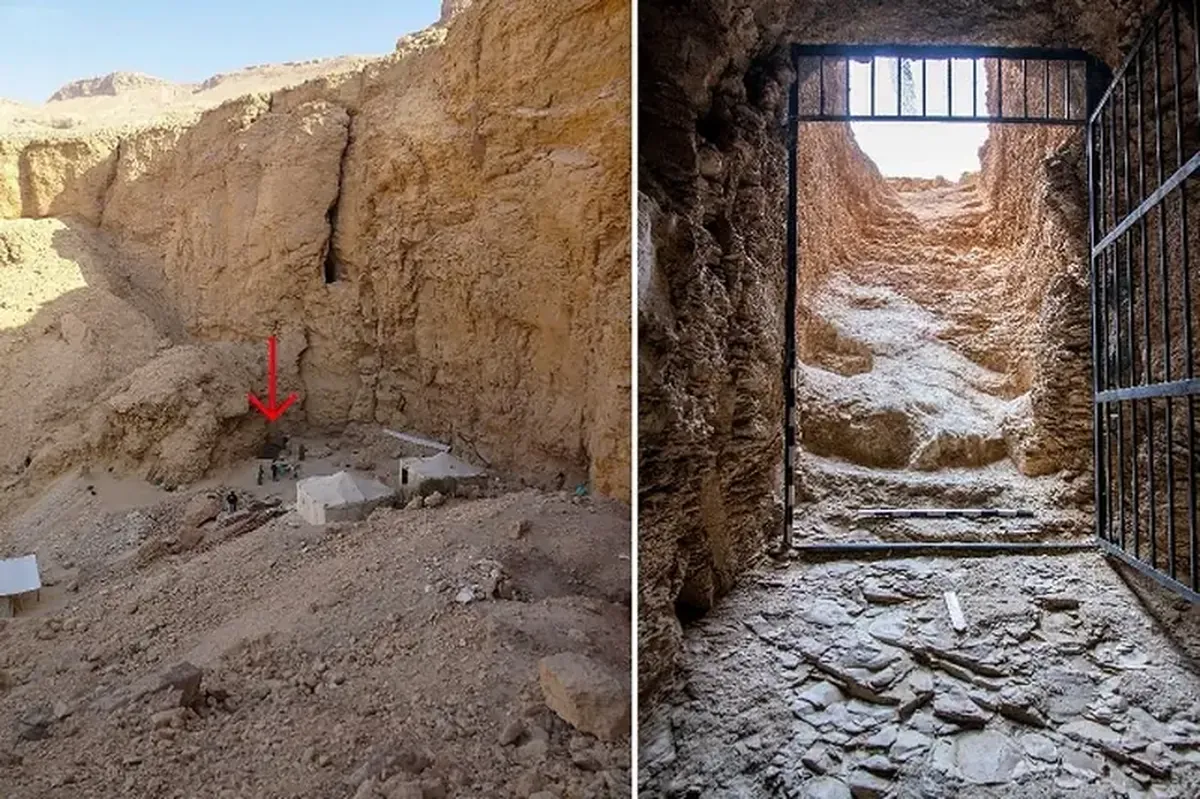
Pharaoh Thutmose II was an ancestor of Tutankhamun. His wife was the female pharaoh Hatshepsut, whose expansive mortuary temple sits on the west bank of the Nile near the Valley of the Kings — just a few kilometers from her husband’s tomb.
Archaeologists first stumbled upon the entrance to Thutmose II’s tomb in 2022. Initially, they thought it led to the burial site of one of the pharaoh’s wives.
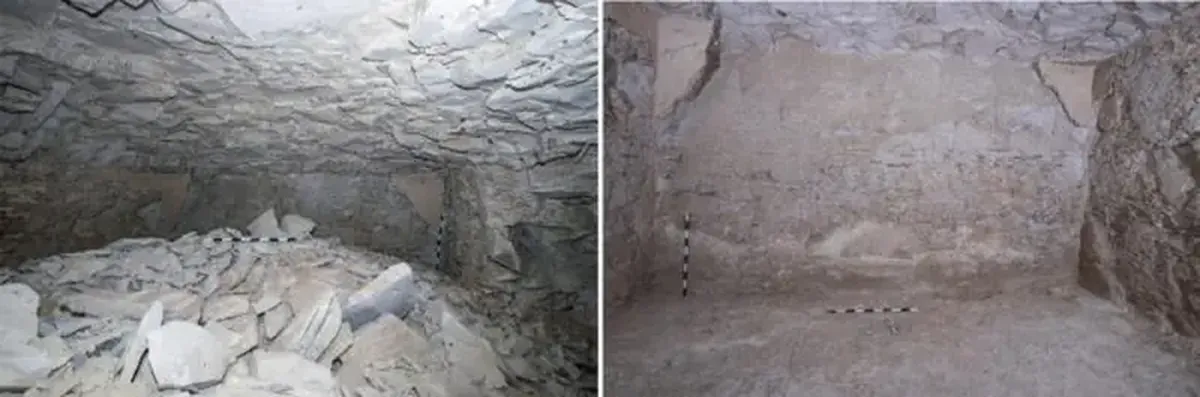
Researchers say that shortly after Thutmose II was buried, water flooded the tomb chamber and damaged its interior. The pharaoh’s remains were moved to another location, according to Science Alert.
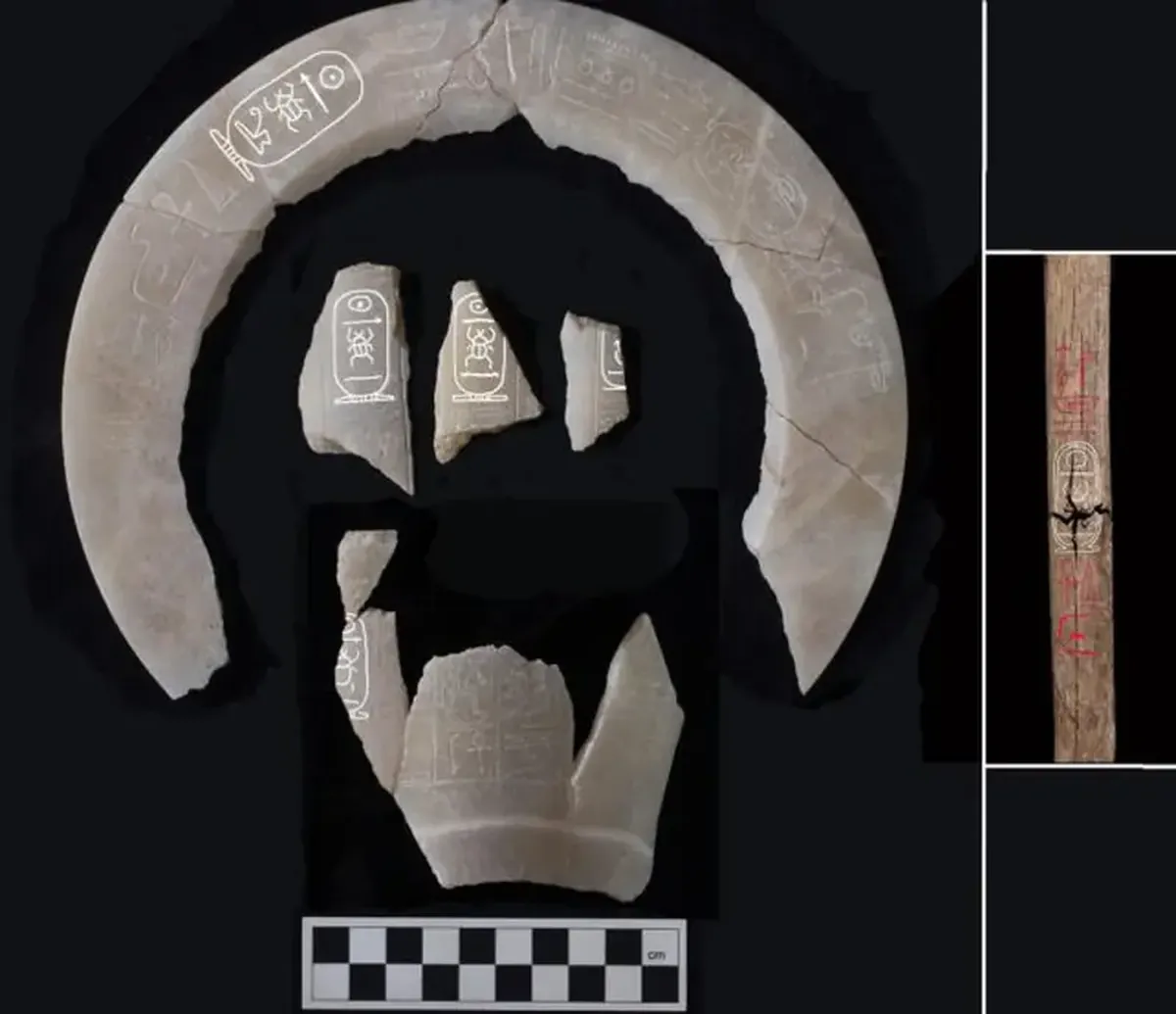
Archaeologists found artifacts among the limestone debris inside the tomb that helped clarify who had once been buried there. These included fragments of vases inscribed with the names of Thutmose II and Hatshepsut. Those vases were likely broken during the relocation of the tomb’s contents. The tomb’s status as a royal burial was also indicated by a blue ceiling adorned with yellow stars, a feature that distinguishes pharaonic burials from others.
The mission leader, Dr. Pierce Litherland, said the team will continue studying the tomb and searching for its original contents.
In recent years, Egypt has seen a surge in significant archaeological discoveries. This is crucial for the country as it develops its tourism industry, a key source of foreign currency.
Last year, Egypt welcomed 15.7 million tourists. This number is expected to rise to 18 million by 2025.
