
 Gaby
Gaby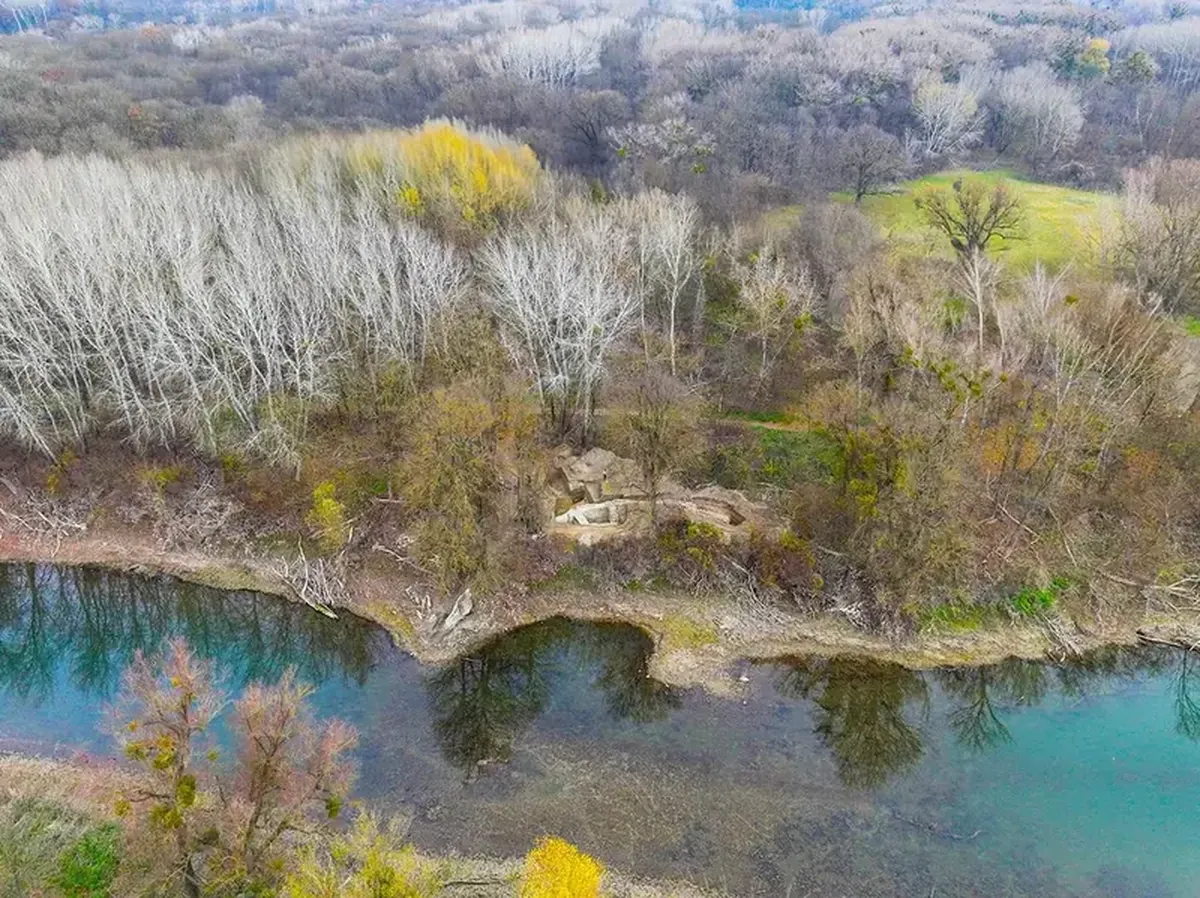
Researchers have finally uncovered the mystery behind the ruins of the “Abandoned Castle” (Ödes Schloss), in Lower Austria near Stöpfenreuth on the Danube floodplain. Archaeologists from the Austrian Academy of Sciences and the Archaeological Park Carnuntum made the discovery. It sheds new light on Roman northern defense strategies and their control of key trade routes like the Amber Road.
The “Abandoned Castle” has long intrigued archaeologists and historians, who debated what once stood on the site. Recent excavations have identified Ödes Schloss as a Roman stronghold, deliberately placed to oversee movement of people and goods across the Danube. The fort was part of a section of the Danube Limes — the empire’s fortified border manned by legionaries. The site is now listed as a UNESCO World Heritage site, Arkeonews reports.
Romans typically built forts on the far side of border rivers as outposts to control surrounding territory. The fort near Stöpfenreuth was built in two phases: first around 170–180 AD during Marcus Aurelius’s reign, when Rome aimed to harden the border against invasions; and again around 260 AD under Gallienus, when renovations marked the fort’s final military use.
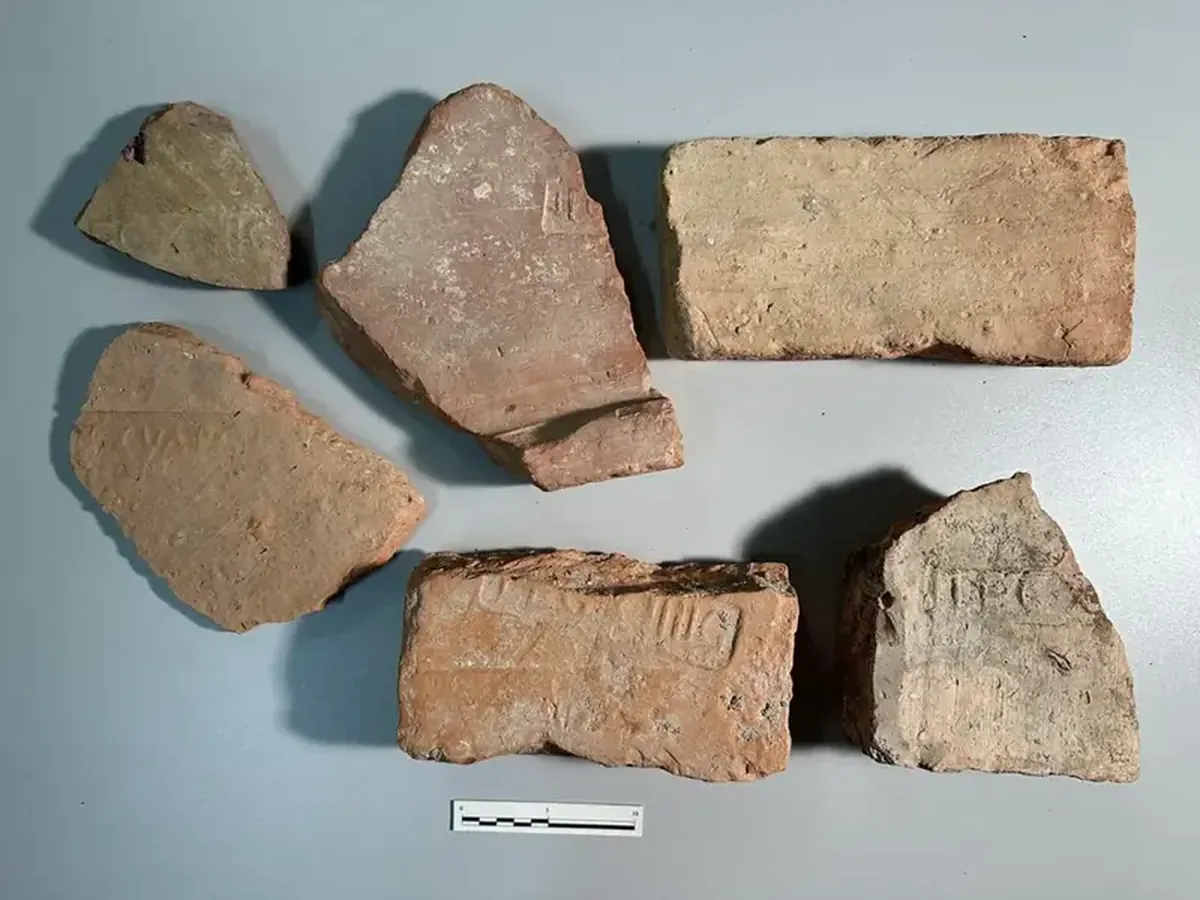
The excavations revealed well-preserved sections of walls, some reaching heights of 2.65 meters. Among the artifacts discovered were coins, pottery, bronze items, and stamped bricks bearing the marks of the legions stationed at Carnuntum.
Archaeologist Christian Guggl, the lead archaeologist on the excavations, said, “For a long time it was unclear whether there was ever a significant Roman presence in this area on the northern bank of the Danube. The discovery of additional stone forts, some of which were evidently occupied by large military units, significantly alters our perception of the Roman Limes.”
The excavation team also supported ecological and geological research. Working with the University of Vienna and the University of Natural Resources and Life Sciences (BOKU), archaeologists collected sediment samples from the Danube floodplain to help reconstruct ancient river courses.
The team continues to study the finds and expects to reveal more about the Roman Empire’s legacy in Austria and to deepen our understanding of its military, economic, and environmental history.
