
 Gaby
Gaby
Extensive excavations in northern Ithaca, conducted by a team from the University of Ioannina in Greece, have led to a significant archaeological breakthrough, shedding new light on the island’s legendary past.
Researchers have uncovered the sanctuary of Odysseus, the mythical king and hero of Homer, at Agios Athanasios, a large archaeological site long known to scholars as the School of Homer.
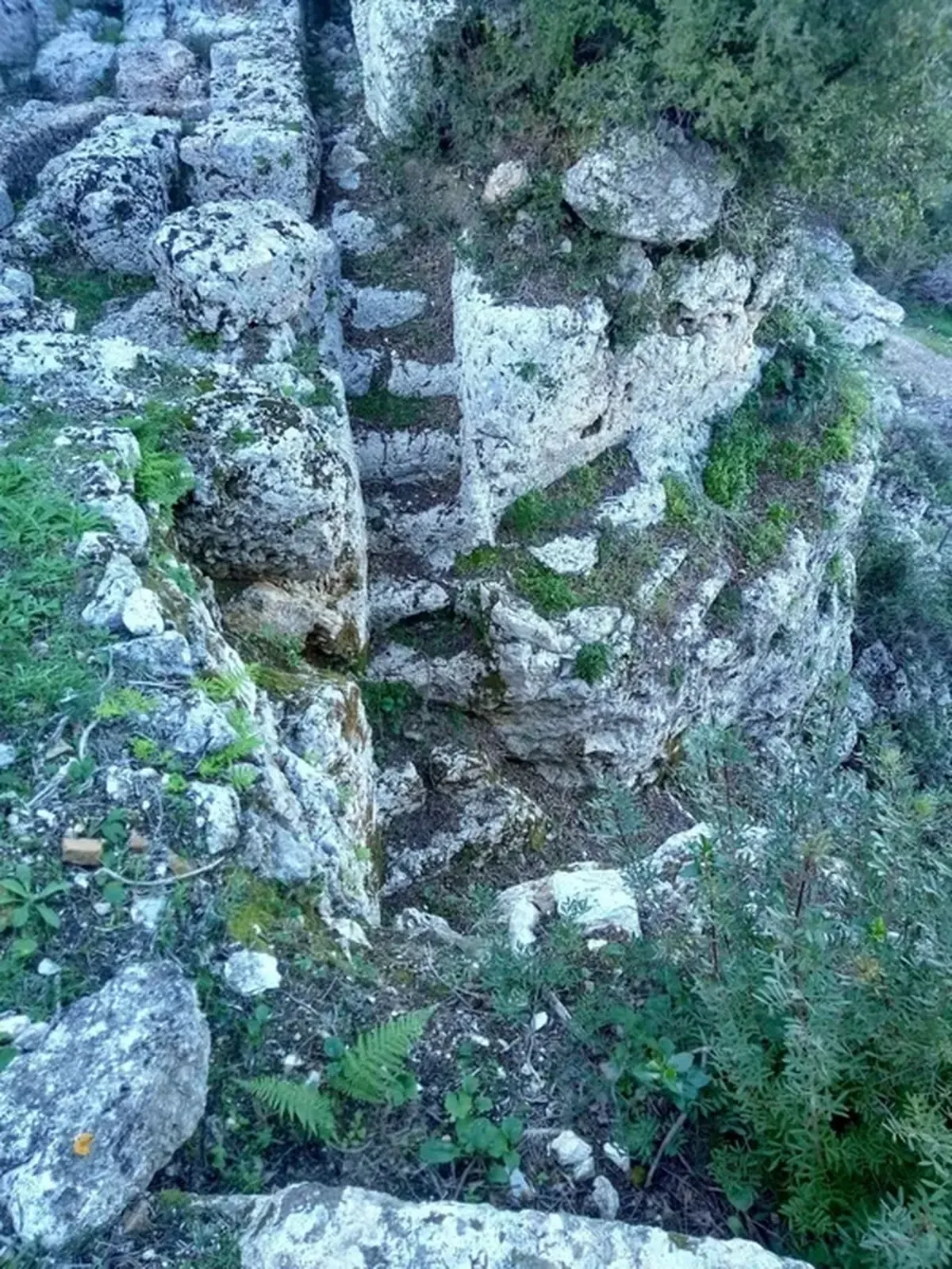
This sacred complex, situated around a rocky outcrop, consists of two terraces connected by stone steps. Archaeological work at the site has been ongoing since 2018, building on systematic excavations carried out from 1994 to 2011.
From the Neolithic to the Roman Era
The university team’s new findings—flint tools and pottery—have pushed back the timeline of human activity in this area to the final Neolithic period (5th–4th millennium BCE). The Mycenaean era (14th–13th centuries BCE) is represented here by dozens of pottery fragments and a rare stepped underground reservoir. That reservoir suggests a probable connection to the Mycenaean palace period.
Researchers hypothesize it was part of a broader infrastructure network of seven or eight sites spanning northwestern Ithaca.
The Heart of the Discovery – The Sanctuary of Odysseus
However, the most significant outcome of the work is that the team has confirmed the existence of a sanctuary dedicated to Odysseus. Evidence of the cult of the king of Ithaca comes from two inscriptions from the late Hellenistic period: ΟΔΥCCEOC (the name Odysseus in the genitive case) and ΟΔΥCCEI (the name in the dative case). These findings echo a discovery from the 1930s in the Polis Bay cave—an inscription reading ΕΥΧΗΝ ΟΔΥCCΕΙ (“Thank you, Odysseus”)—and support the long-held theory that Odysseus was worshiped.
A miniature bronze bust of Odysseus and numerous ritual artifacts, including 34 fragments of clay offerings, weights for looms, gold and bronze jewelry, and more than 100 coins from various city-states, underscore the religious and social significance of this site during the Hellenistic and early Roman periods (3rd century BCE – 2nd century CE).
A Center of Worship and Pilgrimage
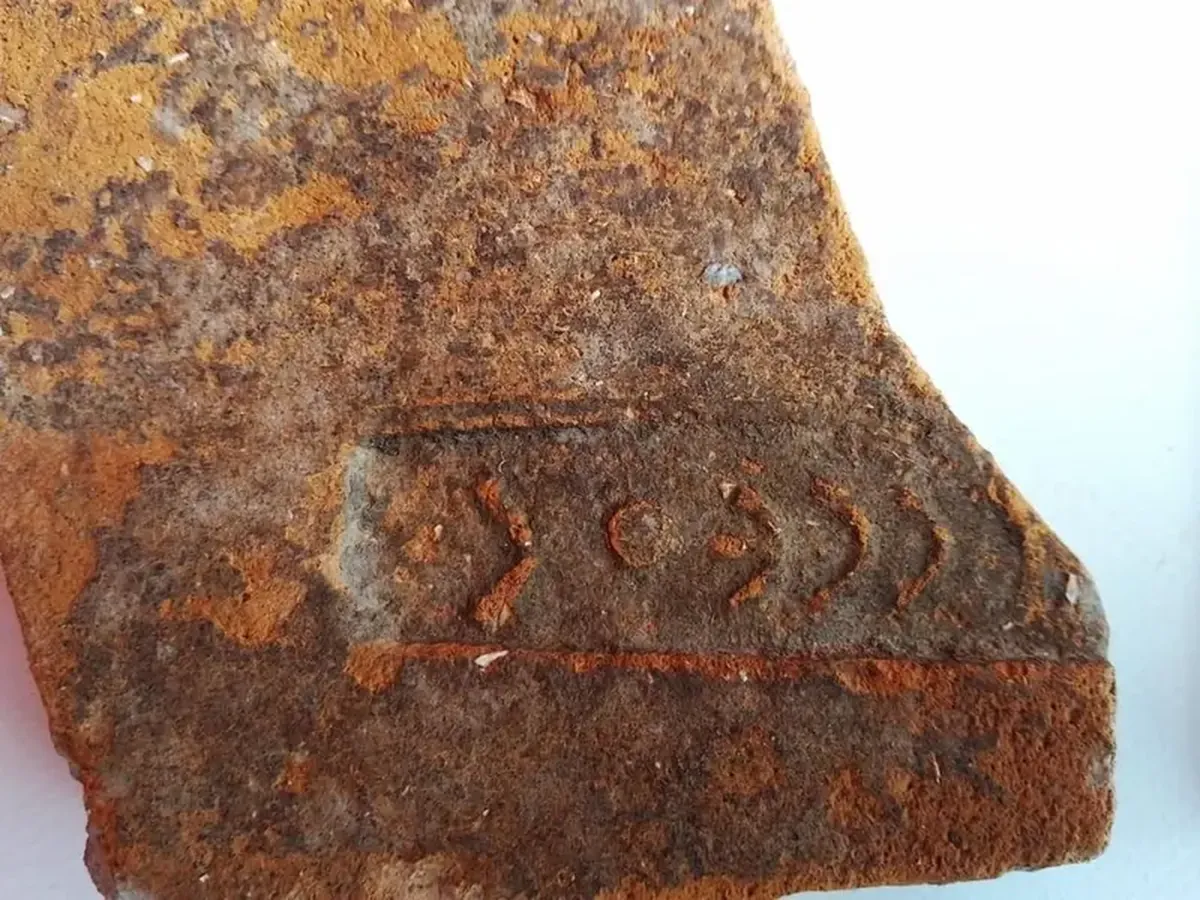
The lower terrace, featuring robust architectural structures, niches for dedications, and stamped tiles with inscriptions (such as ΔΗ, meaning “public”), confirms the use of this site for organized cult practices. The rich archaeological context indicates that the sanctuary was frequented by both local residents and pilgrims from afar.
According to Professor Yiannos G. Lolos, the scientific director of the excavations, this site serves as a “public cult complex” that played a central role in the religious, social, and possibly political life of Ithaca.
The discovery of the sanctuary has provided compelling evidence of the centuries-old cult of Odysseus and has brought researchers closer to the roots of Homer’s epic legacy.
As excavations and artifact conservation continue, the School of Homer remains not only an archaeological treasure but also a symbolic link between myth and historical memory.
