
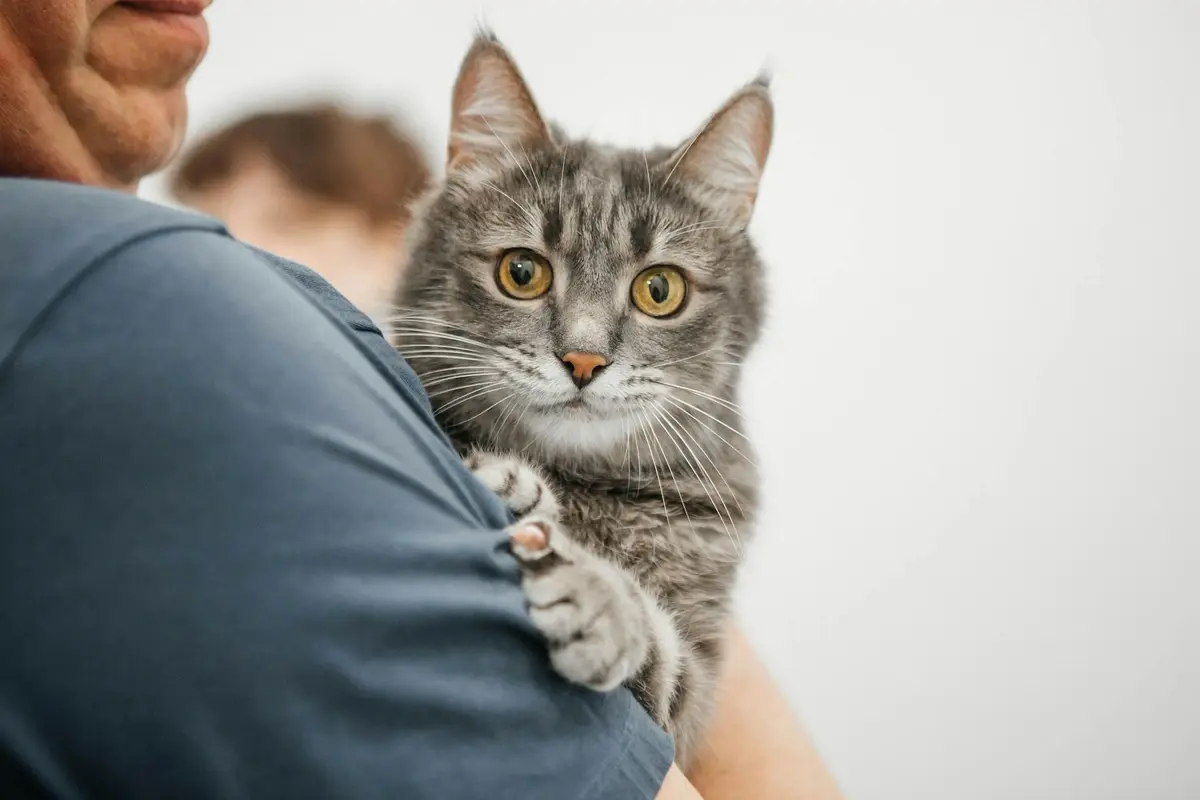
 Dementia is a debilitating condition that destroys cognitive functions such as thinking, memory, and reasoning. It turns out that this illness, which affects around 57 million people worldwide, is not limited to humans.
A new study found that dementia — especially its most common form, Alzheimer’s disease — also affects cats in much the same way.
Researchers from the University of Edinburgh say irreversible changes appear in the brains of cats showing symptoms of dementia (such as confusion, sleep disturbances, and increased meowing). These changes are similar to those found in the brains of humans diagnosed with the condition.
Researchers believe that studying dementia in cats could help develop treatments for humans, since the disease shows similar signs in both species. Likewise, treatments developed for people might offer clues for veterinarians treating cats.
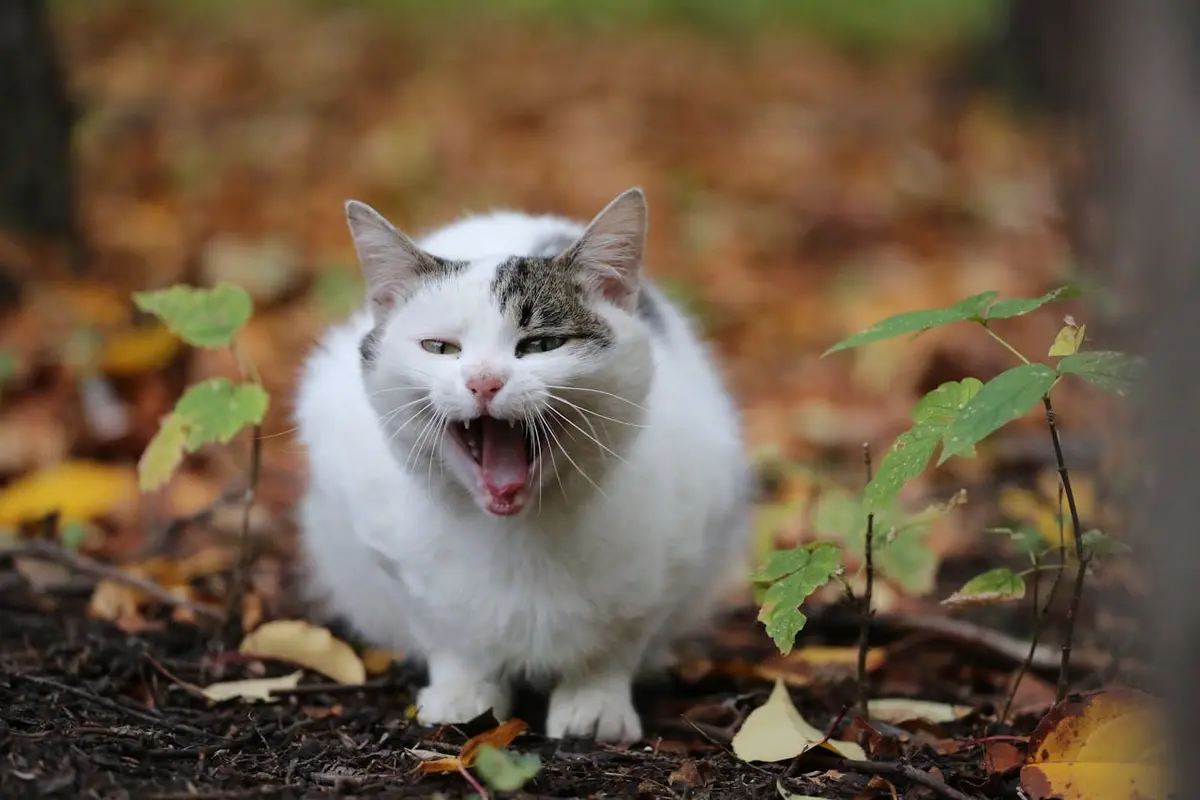
Symptoms of dementia in cats:
- Disorientation and confusion
- Increased meowing
- Staring blankly for extended periods
- Forgetfulness: a cat may ask for food despite just eating
- Inappropriate elimination outside the litter box
- Strange interactions with the environment: becoming more dependent, aggressive, or withdrawn
- Declining self-care
What did the researchers find?
“Dementia is a devastating disease that affects not only humans but also cats. Our findings demonstrated a striking similarity between feline dementia and Alzheimer’s disease in humans,” said Dr. Robert McGheechan, the study’s lead researcher. Researchers believe abnormal protein accumulation in and around brain cells triggers the disease.
The researchers conducted post-mortem examinations of the brains of 25 cats of various ages, including cats showing signs of dementia. The team found that cats with dementia exhibited an accumulation of beta-amyloid — a toxic protein that is one of the hallmark signs of Alzheimer’s disease.

This dangerous protein accumulates inside and around brain cells, forming small clusters that eventually grow into massive plaques. By concentrating between the brain’s nerve cells, these plaques disrupt the connections between them, thereby destroying memory and thinking.
“Our research showed that the accumulation of beta-amyloid disrupts the connections between brain cells known as synapses. The loss of these connections is closely related to changes in memory and behavior. The same occurs in humans with Alzheimer’s disease,” Dr. McGheechan told Daily Mail.
“Feline dementia is incredibly painful for both the animal and its owner. By conducting this research, we are gaining a better understanding of how to treat the disease,” added Daniel Gunn-Moor, co-author of the study and a feline care specialist.
The study’s findings were published in the European Journal of Neuroscience.
Photo: pexels.com
