
 Carlos Solis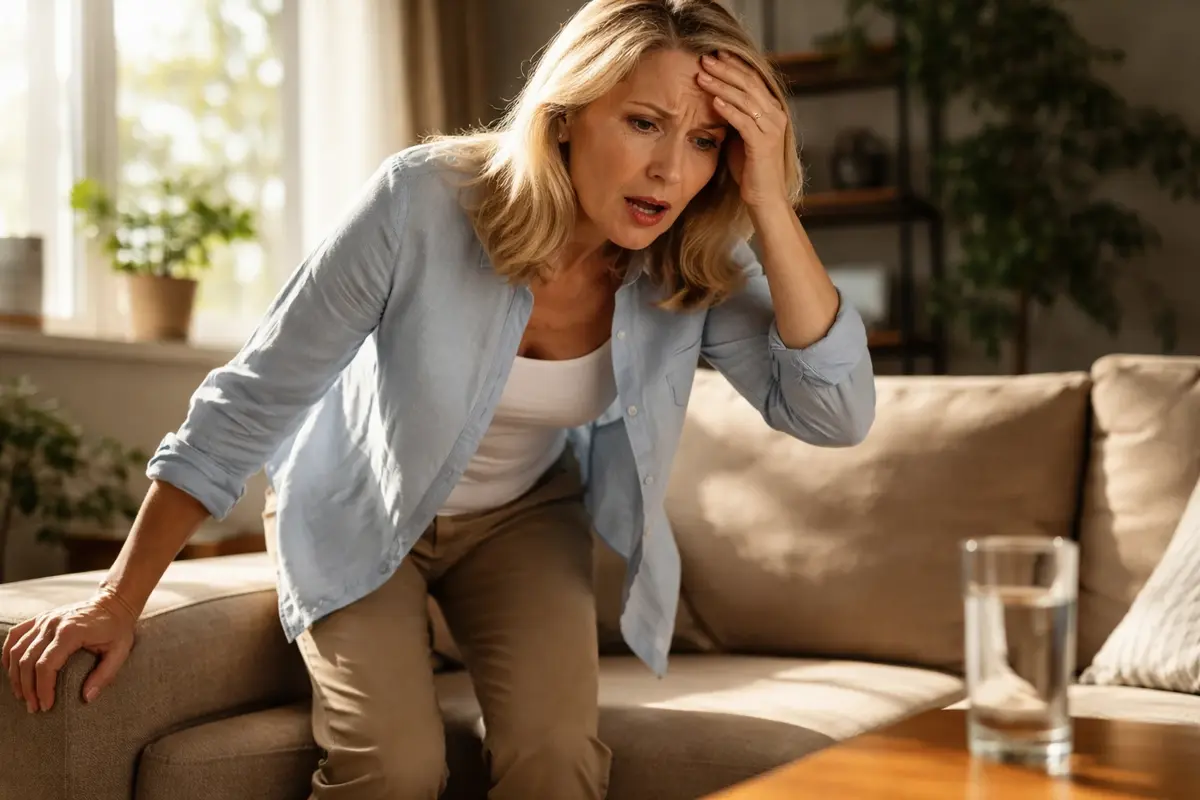
Stand up too fast and your vision can go dark and your head can spin. A few seconds after you rise quickly from lying or sitting, your blood pressure can drop for a moment. That lower pressure briefly reduces blood flow and oxygen to the brain and cuts oxygen delivery to the retina. Because the retina is extremely sensitive to oxygen loss, even a small drop can cause temporary vision loss.
What Happens in Your Body
The autonomic nervous system keeps your blood pressure stable when you change posture. That system controls heart rate, breathing, and other involuntary functions. When you stand, about 500 ml of blood shifts into your legs. That movement causes a short drop in arterial blood pressure.
Pressure-sensitive receptors in the arteries that feed the brain and in the heart’s right atrium detect the fall. Their activation triggers a whole-body response: blood vessels constrict, leg and abdominal muscles contract, and heart rate increases. In most people, those mechanisms restore pressure quickly and without noticeable symptoms.
When to Worry
Short bouts of dizziness or darkened vision after standing are different from chronic orthostatic hypotension. If vision loss or loss of balance happens frequently or lasts longer, the problem can interfere with daily life and increase the risk of falls, fainting, or car accidents. You should be especially concerned if symptoms do not clear within three minutes of standing.
Orthostatic hypotension appears in two main forms. The primary form is rare and results from damage to the autonomic nervous system, specifically nerve injury. Secondary postural hypotension is more common and can stem from other medical conditions or states, such as bradycardia, hypoglycemia, or thyroid disease, according to the Mayo Clinic.
Risk Factors That Make Symptoms More Likely
- Dehydration or infections, including the flu, make the drop in blood pressure worse.
- Medications that lower blood pressure, such as beta-blockers, increase the risk.
- Standing up in the morning raises risk because blood pressure is naturally lower at that time.
- Drinking alcohol or heavy sweating reduce circulating blood volume and increase the chance of symptoms.
- Older age increases risk. In people 65 and older, the pressure sensors in the neck and heart can lose sensitivity, and the heart may respond more slowly to changes.
Chronic orthostatic hypotension can raise the risk of cardiovascular disease and kidney disease, so prolonged or frequent symptoms warrant a discussion with your doctor.
Based on reporting by Live Science
