
 Carlos Solis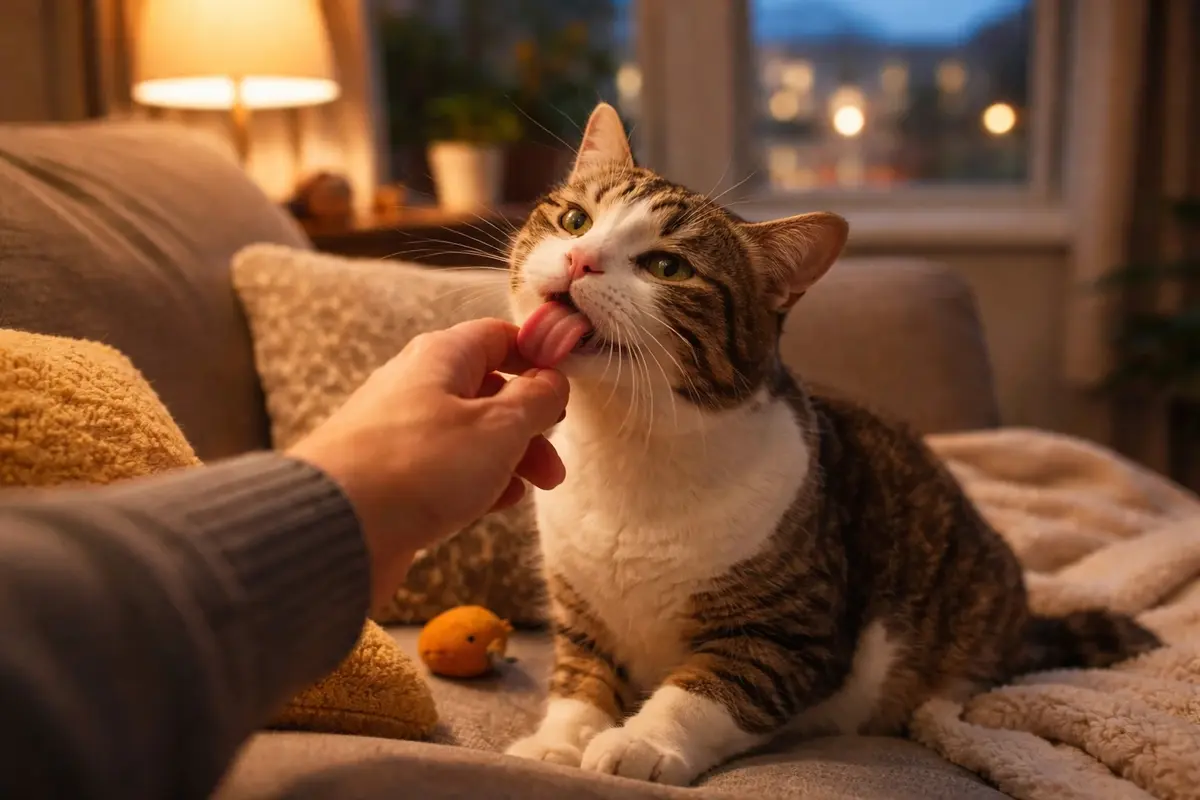
Cats spend a lot of time grooming themselves — an adult housecat can spend up to 8 percent of its time licking its fur. But licking also plays a social role: adult cats often groom each other right before mating. That said, there’s no evidence your cat is licking you as part of pre-mating behavior or out of romance.
Here are the leading ideas experts offer about why cats lick people.
1. Trust
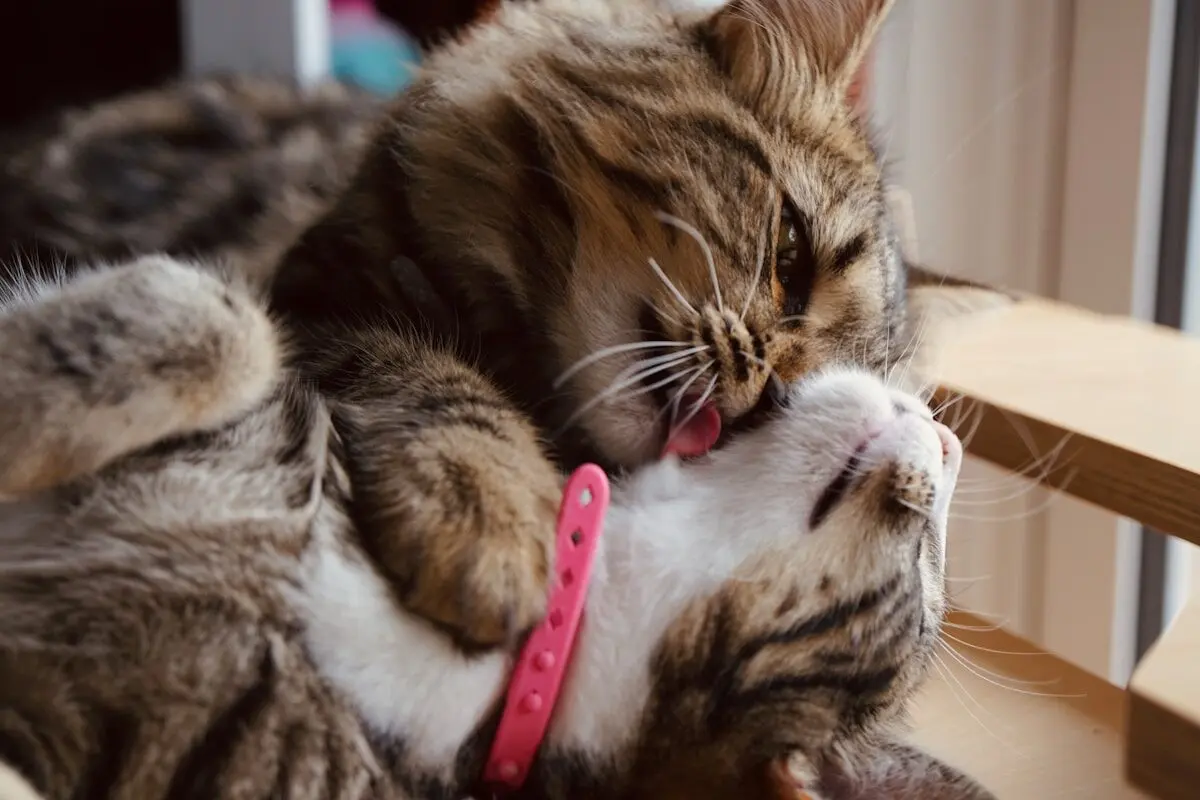
One explanation is simple: your cat licks you to show trust, or at least to signal that you aren’t a rival. “This kind of licking is like the mutual grooming cats do, called allogrooming. Kittens learn it from their mother when they’re still blind and deaf. The goal is to clean the kitten and reinforce social bonds,” explains Dr. David Sands, an animal behavior expert with more than 25 years of clinical practice.
So adult cats groom only those they trust and don’t see as competitors. That friendliness can extend to a human. Cats don’t think, “I’m a cat and you’re a human.” To them, other beings are either competitors or not, and licking communicates that you aren’t competition.
2. Biochemical curiosity
This idea is straightforward: your cat may be intrigued by a smell on your skin. Cats’ taste and smell receptors are extremely sensitive — they can pick up pheromonal secretions and other subtle odors on our skin. Your hands might carry salt, lotion, food scent, or other substances that your cat wants to “check” with its tongue. Sometimes licking is just a way for a cat to investigate an interesting aroma.
3. Marking ownership
Cats are scent machines from head to tail. Their favorite scent is their own, and they protect that unique aroma like an invisible fingerprint. A cat may start grooming itself after you pet it to remove your scent.
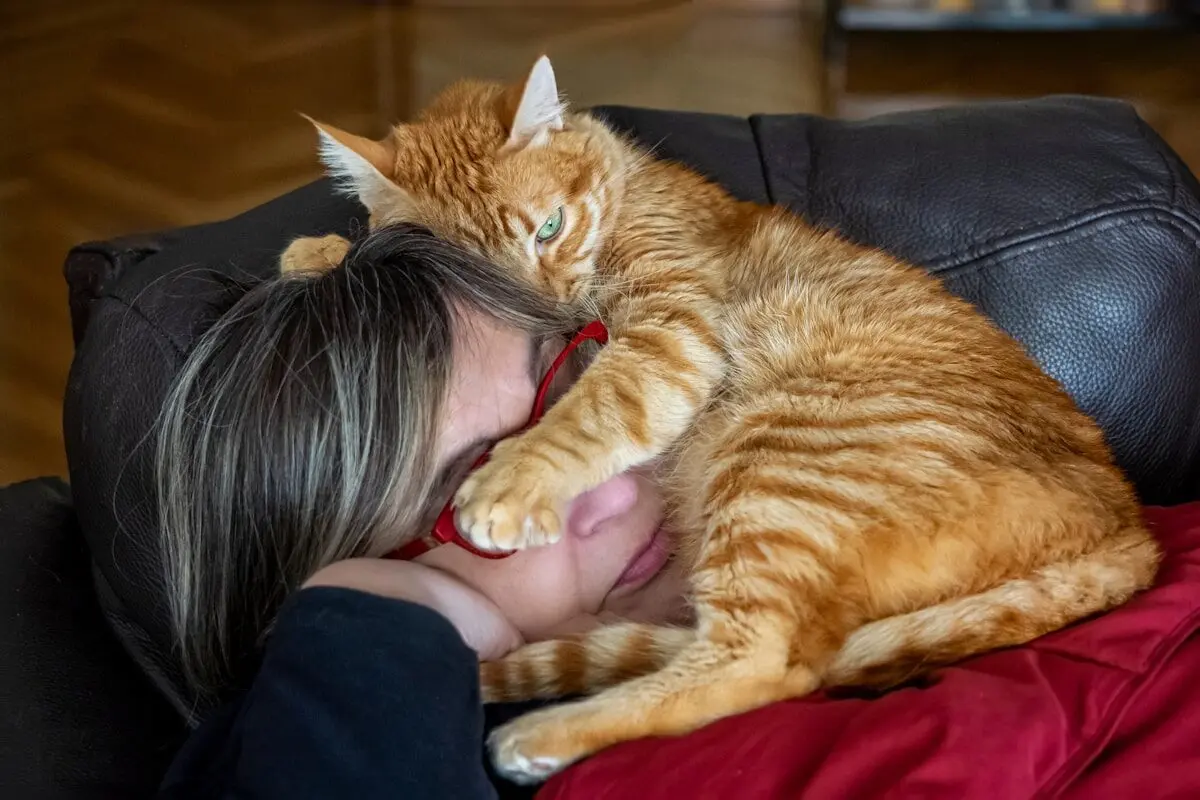
A lot of feline behavior centers on ownership and territory. When cats lick other cats or people, they often remove the foreign scent and replace it with their own. That’s how they mark something as theirs: “This is mine.”
People often interpret rubbing and licking as affection. But the more scent a cat can leave, the more objects, spaces, and even people it marks as part of its territory.
If your cat licks you occasionally, that’s not necessarily a sign of deep affection — and it isn’t aggression either. If the licking bothers you, distract the cat or redirect its attention with play or petting.
Adapted from BBC Science Focus
