
 Carlos Solis
Every week brings new science stories that hint at where technology is headed. Here are a few technologies likely to shape everyday life by 2050.
1. Space as big business
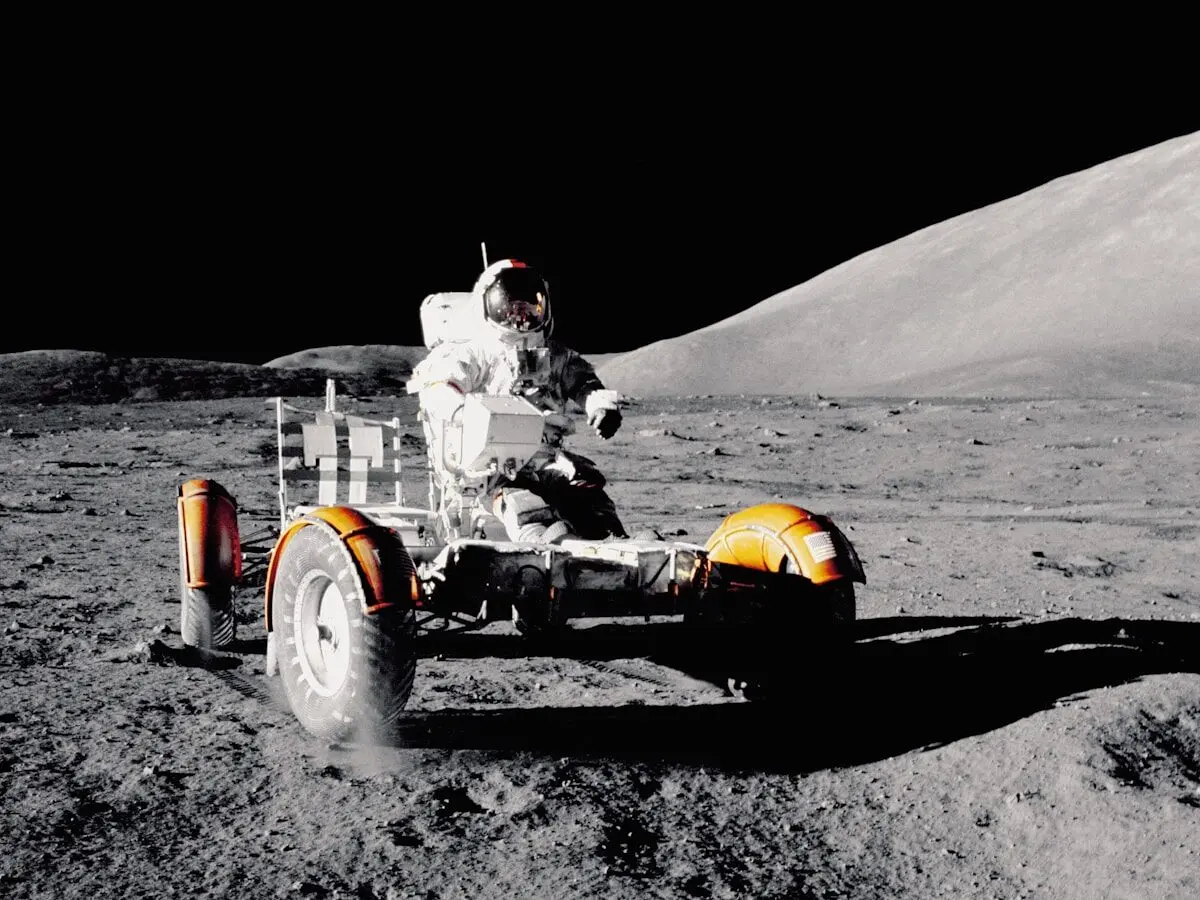
The idea of mining the Moon or asteroids has moved from old sci-fi novels into practical planning. The work is technically feasible, and it could become highly profitable.
The Moon could hold about ten times more helium-3 than Earth does, and much of that isotope lies near the surface. That helium-3 could become a valuable fuel for fusion reactors. Asteroids could supply rare metals used in electronics.
Another avenue is space-based solar power. Solar panels in space receive far more sunlight, and the energy could be beamed to Earth using microwaves. Small tests took place in 2023, and China plans to launch a space solar power station by 2050.
2. A new kind of battery
The shift away from fossil fuels will make battery technology central to future transportation. Today’s lithium-ion cells work well for small devices, but they face limits in range, charge time, durability, and safety for cars.
Dr. John-Joseph Mari, lead analyst at the Faraday Institution, says, “Many new battery chemistries are in development now, and they could see wide use by 2050. Portable electronics, where energy density matters, will increasingly rely on silicon anodes to shrink battery size while keeping the same power.”
Another technology that could upend the field is supercapacitors. Unlike a battery, which stores energy through chemical reactions, a capacitor stores electric charge on its electrodes. Supercapacitors use a double-layer structure and pseudocapacitance to achieve very high energy capacity.
The main advantage is speed: supercapacitors charge in seconds and can endure about half a million cycles, while lithium batteries degrade after a few thousand cycles.

3. Computers without screens
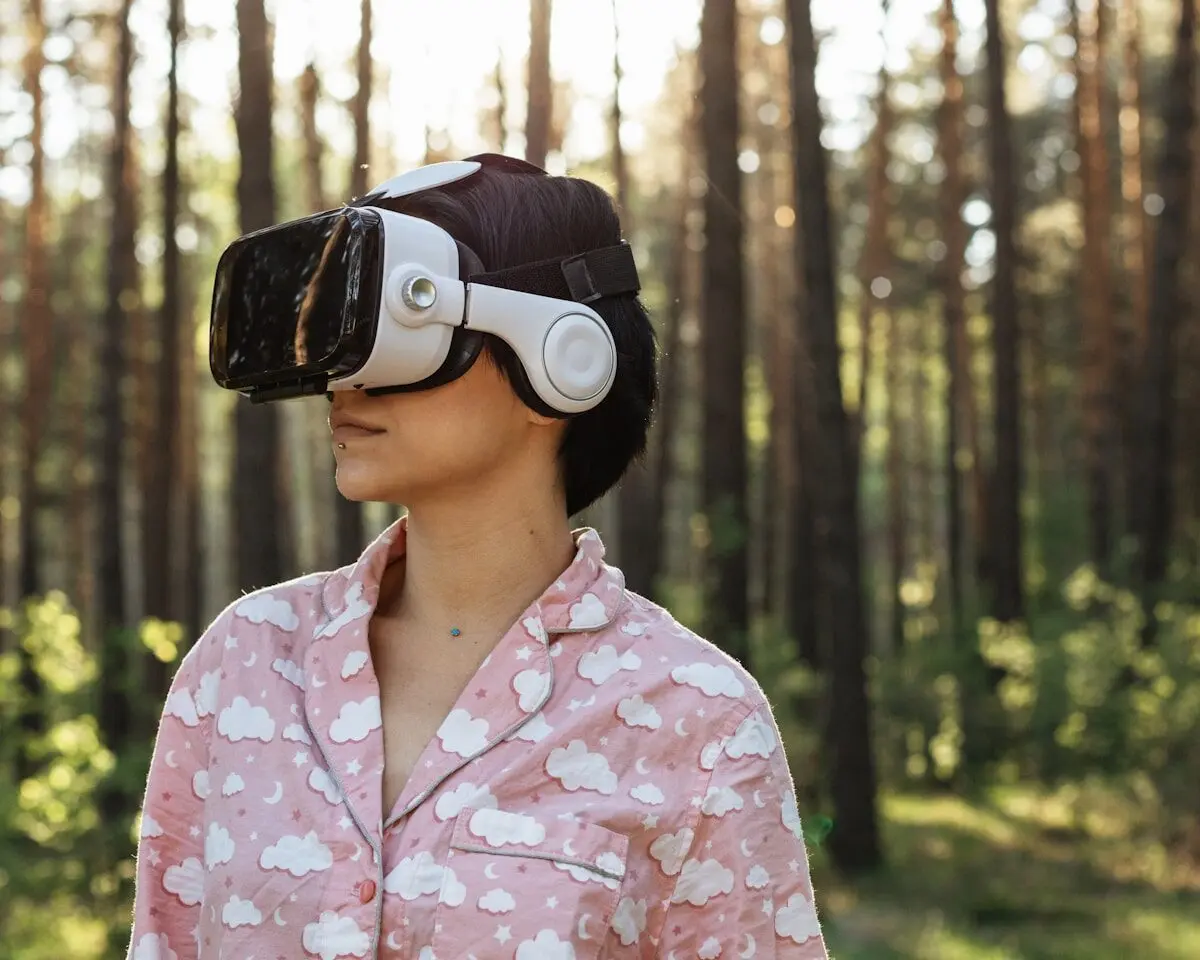
Flat monitors may look old-fashioned next to the idea of freely floating images that respond to hand motions. Spatial computing already exists in devices like Google Glass and Apple Vision Pro; those systems track eye movement and handle voice commands, but they still fall short of the flexible interfaces shown in movies.
Developers are working to make systems read facial expressions and gestures more like a person does. Hand tracking will improve, and users will actually be able to “touch” virtual objects.
The biggest hurdle is getting people to wear heavy headsets all the time. A 650-gram device on your face gets tiring fast and looks odd to others. At home, those might be fine for gaming, but in public they attract unwanted attention. The breakthrough will come when spatial computing is built into devices no bigger than ordinary glasses.
Remember how mobile phones evolved over the past two decades: they became smarter, thinner, and lighter. By 2050 we may shift from smartphones to holographic “eyewear” interfaces.
4. Quantum computers and the next wave of AI
Quantum computers are approaching problems that would take classical machines longer than the age of the universe to solve. Today, quantum devices remain limited and error-prone, but researchers are developing algorithms that let quantum systems search far faster than classical counterparts.
By 2050, quantum computers could become stable and available as remote servers for complex tasks. Many machines still need laboratory conditions, such as ultralow temperatures, but intense research aims to change that.
Quantum machines can perform many calculations at once, and that will expand what they can do. Full artificial general intelligence is unlikely within the next 25 years, but quantum-enhanced AI could better explain its decisions, increasing trust in sensitive fields like medicine and finance.
5. Cleaning up Earth’s orbit
Earth’s orbit is cluttered with debris: everything from paint flakes to rocket stages and defunct satellites. The launch of satellite networks like Starlink accelerated that growth. NASA reports an average collision speed of about 36,000 km/h. A 1-cm fragment striking at that speed hits like a rock traveling nearly 500 km/h.
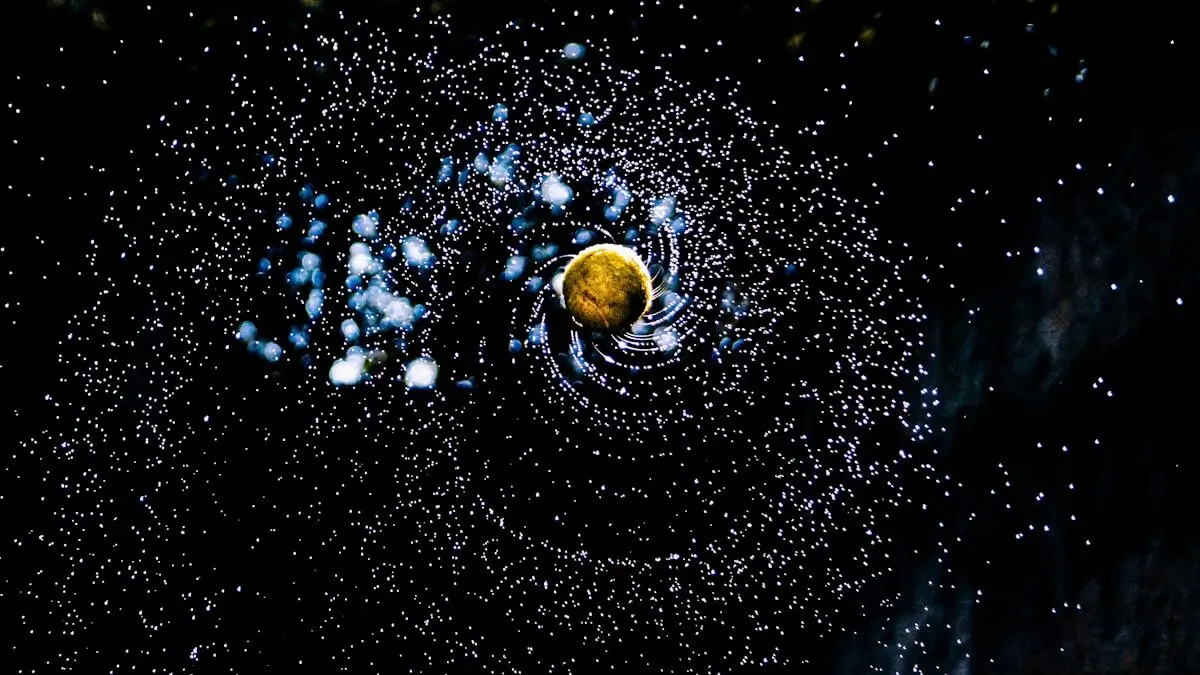
The International Space Station often gets small dents from tiny fragments and performs avoidance maneuvers to dodge larger pieces about once a year. By 2050 the problem could get much worse.
Some debris burns up in the atmosphere, but how long objects stay in orbit depends on altitude: items in low orbits reenter after a few years, while objects around 1,000 km can hang around for centuries. Future cleanup ideas include capture vehicles, nets, and lasers that vaporize or slow debris so their orbits decay. The persistent challenge is the lack of coordination among nations, commercial operators, and space agencies.
Based on BBC Science Focus
