
 Gaby
GabyIn 1988, Japan opened the Seikan Tunnel, then the longest tunnel of its kind in the world, stretching 53.85 kilometers with 23.3 kilometers laid underwater. In 1994 the Eurotunnel opened beneath the English Channel (La Manche), running 51 kilometers and linking France with Great Britain. A 39-kilometer section of that railway corridor lies underwater, making the Eurotunnel the record holder for the longest underwater tunnel.
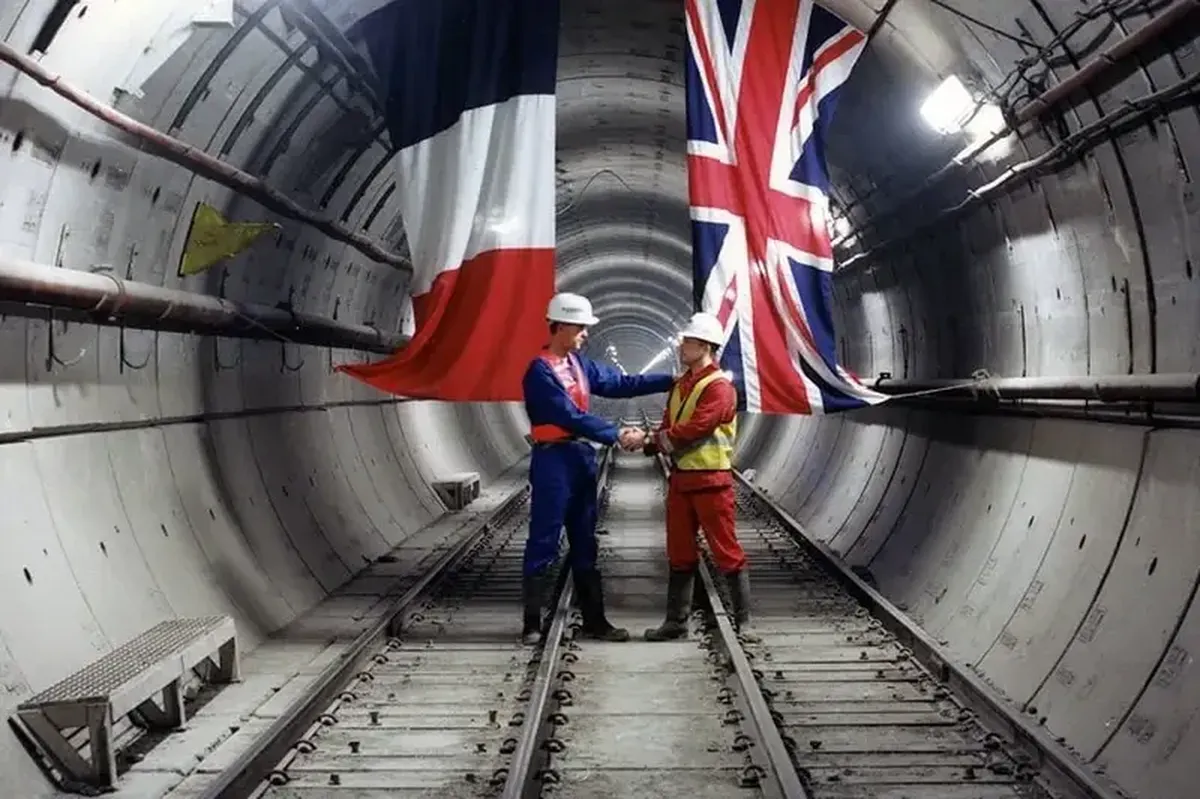
The history of these engineering feats goes back much further.
Tunneling shields
At the beginning of the 19th century, Franco-British engineer Marc Isambard Brunel drew inspiration from nature. Watching how the plates of a shipworm’s shell allowed it to bore into wood, Brunel adapted that principle and in 1818 applied it to the design of a tunneling shield for building underwater tunnels.
The iron shield had several compartments, each able to move forward independently. The compartments had passageways that crushed the ground in front of them and pushed that section of the structure forward using a jack. The shield was driven into the ground while workers simultaneously reinforced the tunnel with brick masonry.
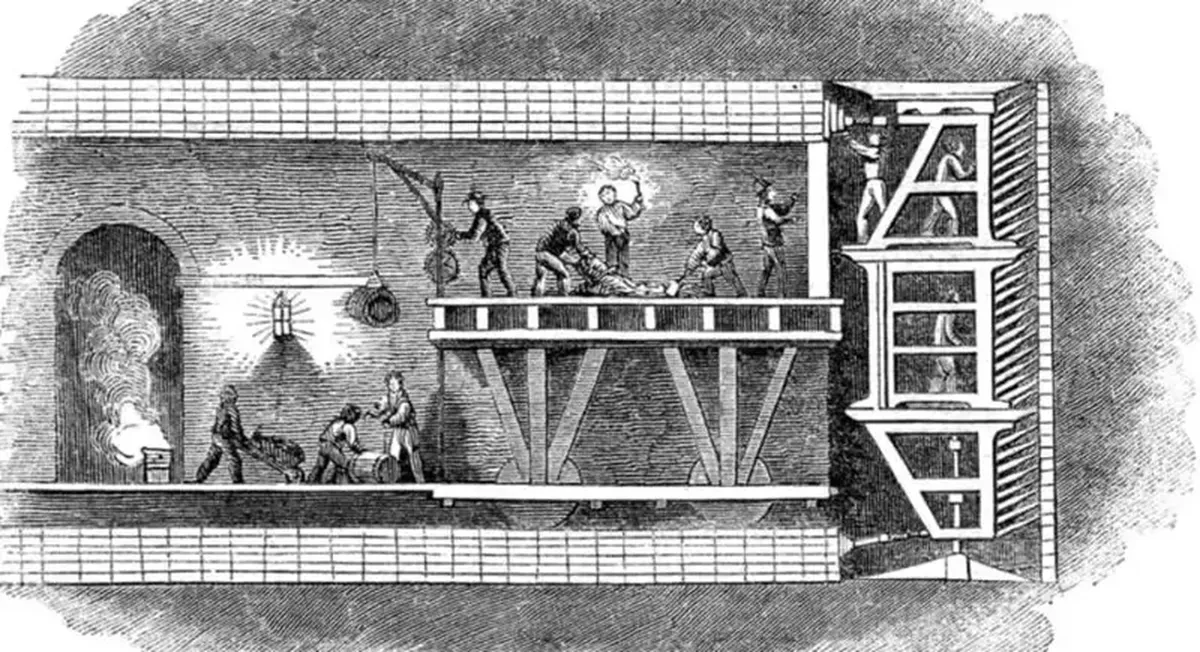
In 1842, thanks to this revolutionary technology, the first underwater tunnel was built beneath the Thames in London. Builders refined the method on later projects under the river — for example, by creating air pressure in front of the shield to keep water out during work.
Tunnel-boring machines are still indispensable for constructing underwater tunnels. Modern machines are cylindrical and usually made of steel, and steel is also used for the tunnel’s support rings. Builders push the machine forward with hydraulic jacks. When the machine isn’t moving, workers can access the area in front of it through doors, and the machine is fitted with a protective casing to shield workers.
Tunnel-boring machines
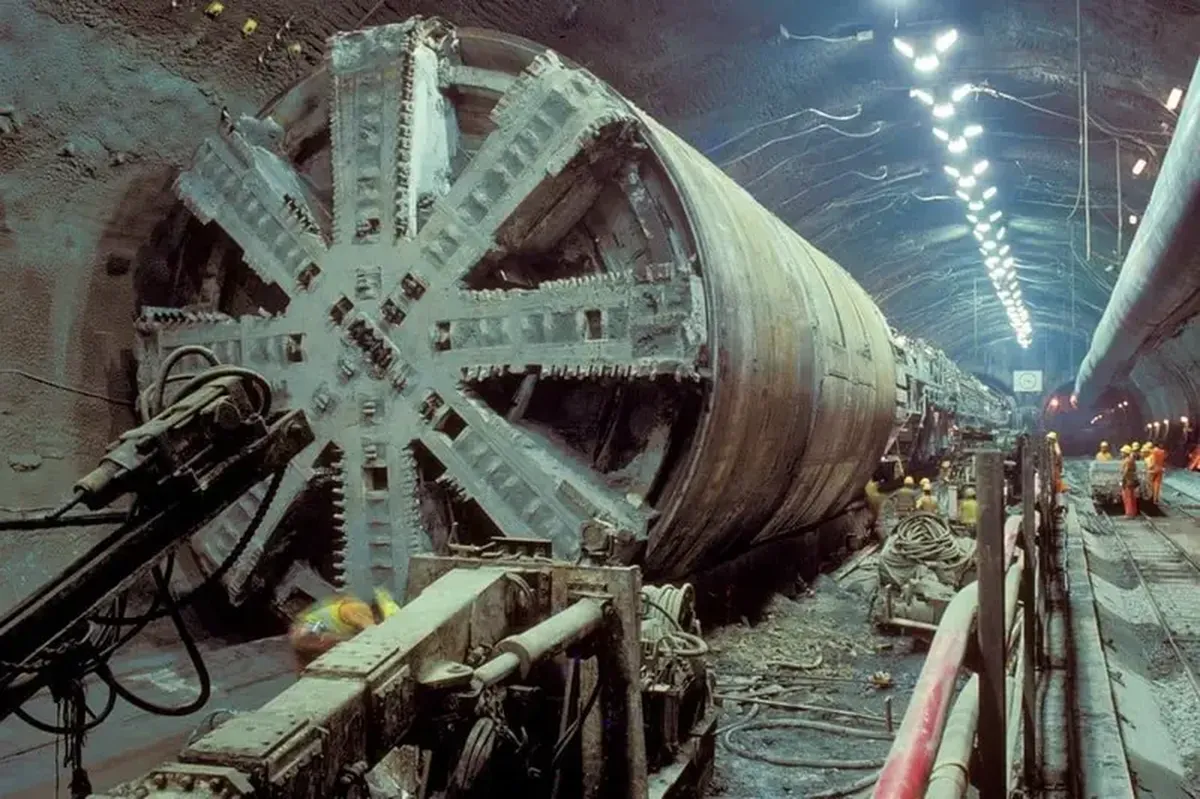
Digging soft soil with a shovel is one thing; drilling through underwater rock is entirely different. You can’t build those sections without tunnel-boring machines (TBMs), which were heavily used when constructing the tunnel under the English Channel.
Functionally, TBMs resemble the old tunneling shields. But instead of relying on human labor, TBMs use a mechanical cutting head to break rock. Rock fragments are carried away on a conveyor belt, IFLScience reported.
Submerged tunnels
In the two methods above, the walls are built as soil is excavated. In some cases, however, builders use a different approach: immersed tunnels, a method developed by American engineer W. J. Wilgus.
This method uses prefabricated segments that resemble hollow cylinders. Workers lower the segments onto a prepared seabed, secure them, seal the joints, and pump out the water.
