
 Gaby
GabyEggs of the spotted lanternfly were discovered on a metal art installation that traveled to California from New York. Winemakers are alarmed because the insect is a notorious pest of grapevines and other crops. Experts fear these insects could devastate this year’s harvest. California’s wines are renowned worldwide and account for 80 percent of all wine production in the United States.

The California Association of Winegrape Growers (CAWG) warned that the eggs could hatch in the coming weeks, posing a major threat to the wine industry. If the insects destroy the harvest, wine prices could spike across the country. Natalie Collins, president of CAWG, said the spotted lanternfly has been found in 18 states. She said these aggressive insects feed on the sap of grapevines, leaving sticky residue on clusters and leaves. That residue weakens the vines and can lead to their death.
Earlier this spring, the U.S. Department of Agriculture warned that spotted lanternfly eggs look like spongy brown masses that cling to cars, trees, and other hard surfaces. Scrape eggs off immediately, place them in a plastic bag, and put the bag in the trash so the insects cannot survive, the Daily Mail reported.
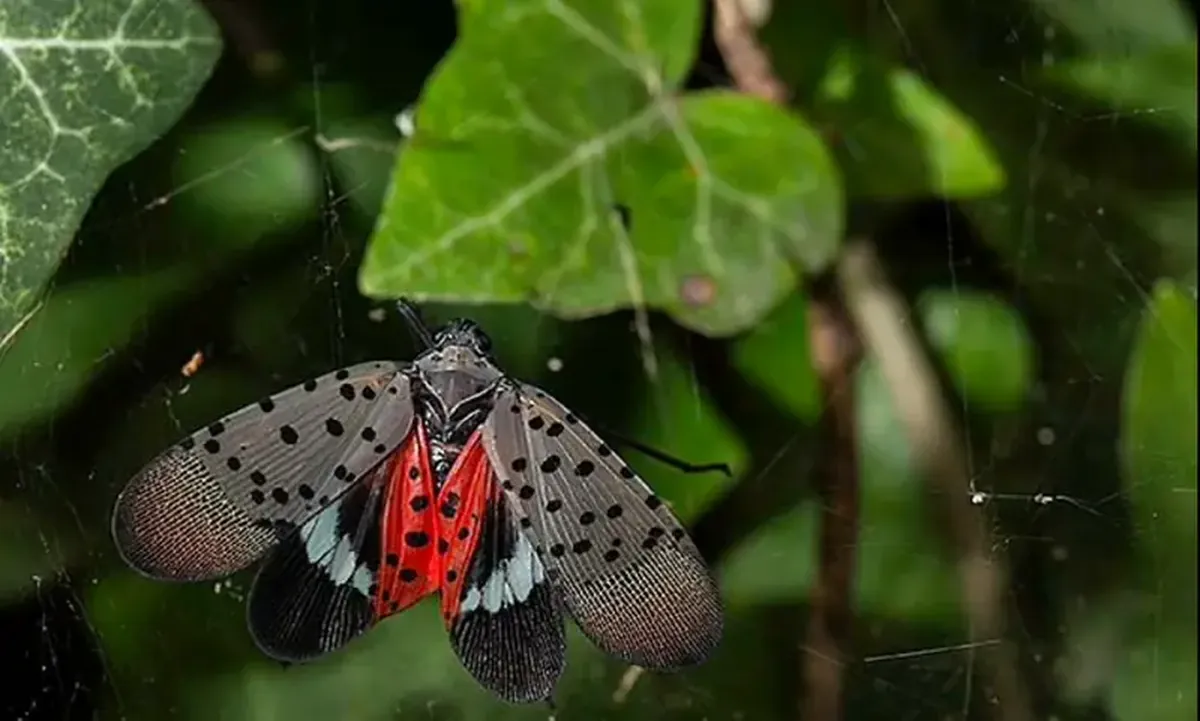
What else is known about the spotted lanternfly? The insects typically hatch from eggs in the summer and reach adulthood by late fall, which overlaps California’s grape harvest season. Spotted lanternflies feed on more than 70 plant species and leave behind a black, sticky residue that weakens vegetation. Both nymphs and adults damage crops by sucking sap from stems and branches, reducing photosynthesis, weakening plants, and sometimes killing them.
Experts believe the pests first arrived in the U.S. as an egg mass on a shipment of stone imported from China. Pennsylvania was the first state to identify the insect in 2014. By 2019, eradication efforts were costing the state about $50.1 million a year. Now California officials worry spotted lanternflies could wreak havoc on the region’s famous wineries.
