
 Carlos Solis
 “Blue Zones” refer to areas where an unusually high number of people live to a very old age while staying active and socially connected. The classic list of Blue Zones includes Sardinia, Ikaria (Greece), Okinawa (Japan), Nicoya (Costa Rica), and Loma Linda (California). Residents of these regions share common traits: a moderate, natural diet, daily physical activity built into routines, a sense of purpose, strong family and community ties, and low levels of chronic disease.

Why Ostrobothnia is in the Spotlight
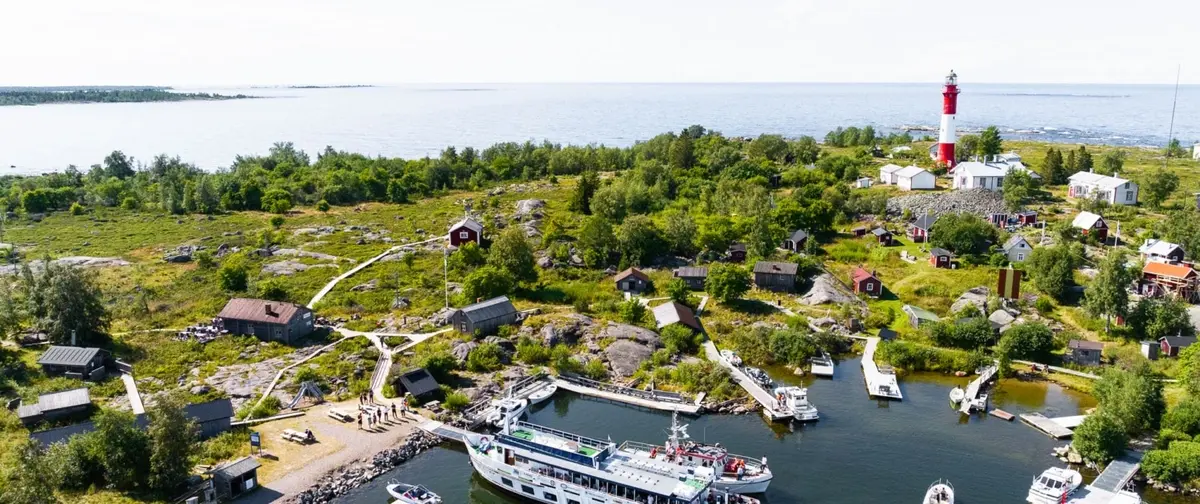
According to the Daily Mail, a team led by social policy researcher Sara Ockerman from Åbo Akademi University in Finland analyzed data from three northern regions of Finland: bilingual Ostrobothnia, Finnish-speaking Southern Ostrobothnia, and the Swedish-speaking Åland Islands. The coastal part of Ostrobothnia, where Swedish is widely spoken, stood out particularly, showing longer life expectancy and better well-being indicators.
What the Numbers and Observations Showed
- The life expectancy for those born in Swedish-speaking Ostrobothnia is about 83.1 years, which is higher than the average in Finland and significantly above the global average.
- Older adults here are more likely to engage in volunteer work, are active in their communities, and report lower levels of depression and loneliness.
- The coastal environment supports a diet rich in fish, while moderate physical activity is part of daily life rather than scheduled exercise.
The Åland Islands also demonstrate high life expectancy and good health indicators, but their lifestyle does not always align with the typical characteristics of Blue Zones. Southern Ostrobothnia shows good behavioral indicators but has a lower life expectancy.

Is It Time to Declare a ‘Sixth’ Blue Zone?
Not just yet. The researchers are cautious: a rigorous demographic verification is needed — checking birth and death registries, eliminating accounting errors, and so on. This is how Sardinia’s Blue Zone was verified in the past. Longevity results from many factors, and a healthy lifestyle doesn’t always raise a region’s average life expectancy. For now, it’s more accurate to call Ostrobothnia a candidate for Blue Zone status.
What This Means for Us
The story of Ostrobothnia reinforces a simple idea: there isn’t a single magic pill. Daily habits and the environment — regular movement, community, a simple and varied diet, and a clear sense of role within the community — appear to help people not only reach their 90s but also keep their minds clear and stay active.
