
 Gaby
Gaby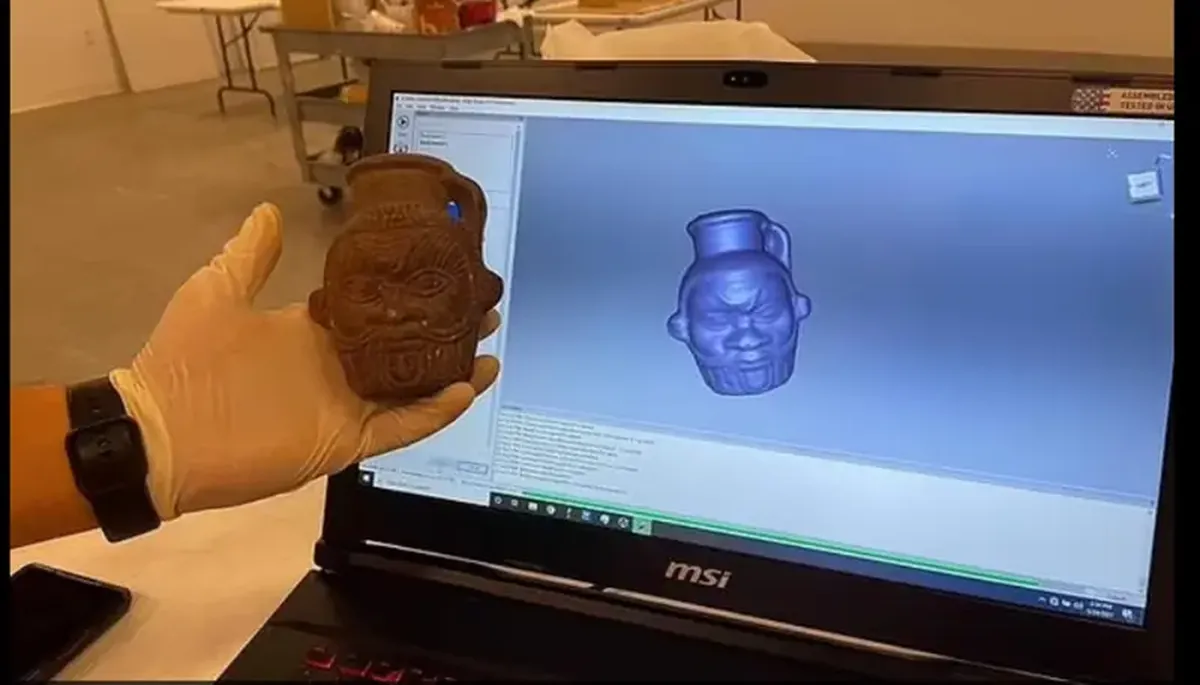
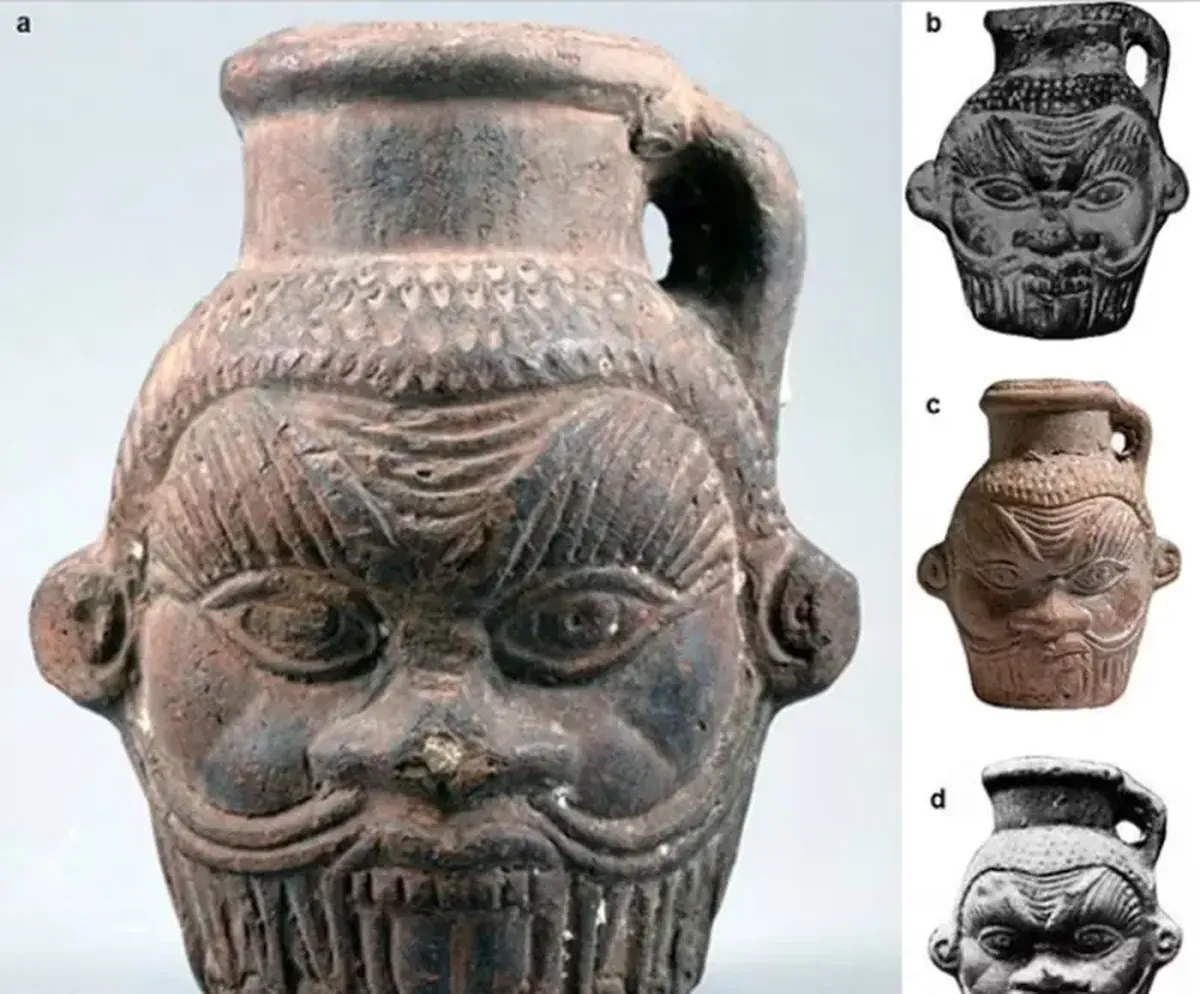
Researchers from the United States and Italy analyzed residues on the walls of a small ceramic jug used in Ancient Egypt to drink an unusual cocktail more than 2,200 years ago.
The artifact is in the collection of the Tampa Museum of Art in Florida. It was discovered near the city of Faiyum, south of Cairo, a region known for its fertile land and diverse plant and animal life.
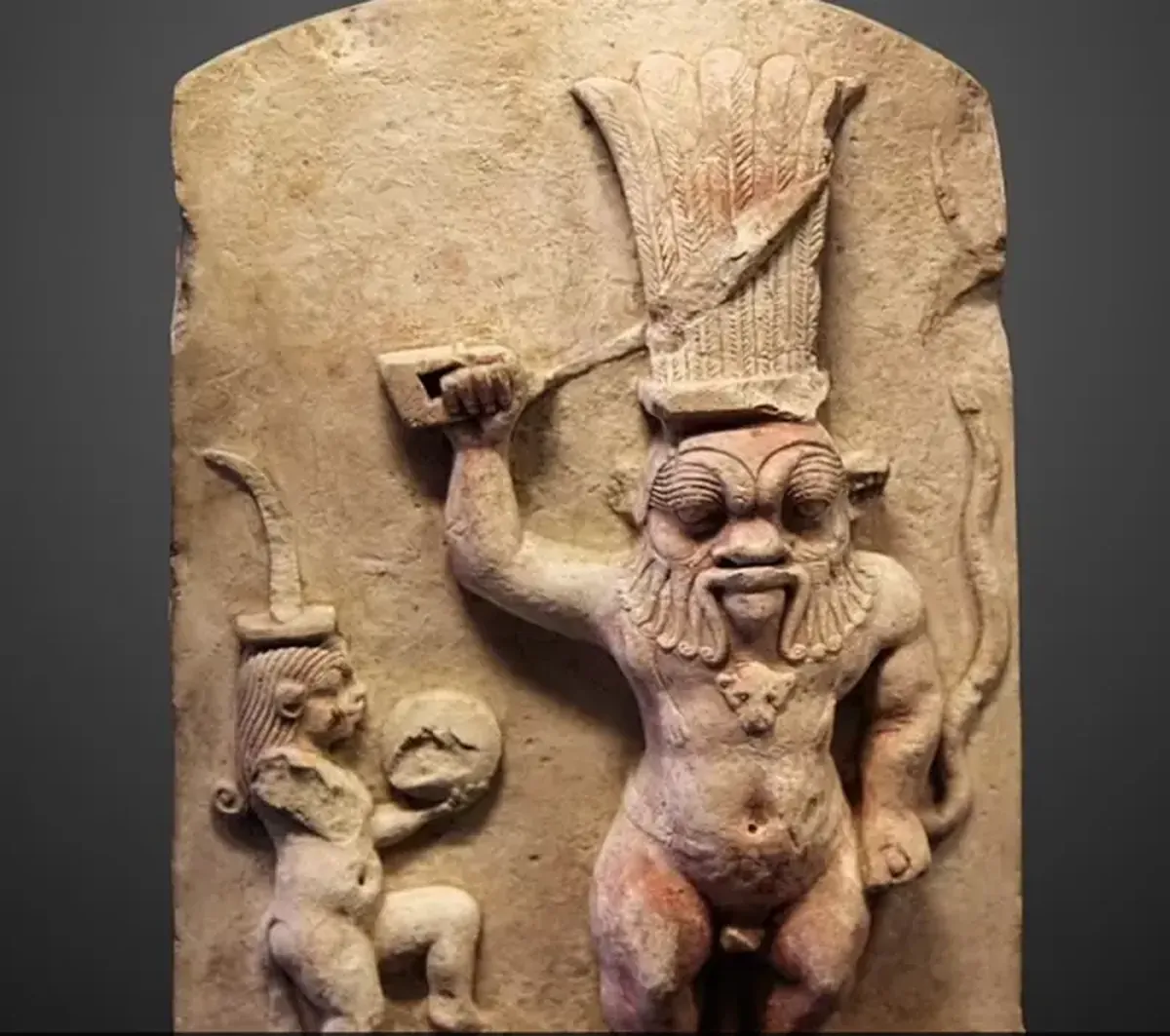
The vessel is decorated with an image of Bes (or Besa), a household guardian deity believed to protect families and ward off evil spirits.
What Did the Researchers Discover?
A team from the University of South Florida, the University of Trieste, and the University of Milan found traces of a fermented, fruit-based alcoholic liquid on the jug, along with psychoactive plant compounds that produce dream-like visions.
The analysis showed the mixture also included human biological fluids “for greater effect,” along with honey, sesame seeds, pine nuts, sweeteners, and grapes. That combination would have given the drink a blood-like color. The researchers estimate a single serving probably did not exceed 90 ml.
David Tanasi, a professor and lead author of the study, believes sick people drank the concoction to experience “prophetic dreams.”
“We are 100 percent certain that psychoactive substances were used for incubation rituals tied to the cult of Bes. Incubation rituals are religious practices in which people sleep in a sacred place to receive a dream from a deity that can bring healing,” Professor Tanasi said.
What Else Is Known About This Cocktail?
For chemical and DNA analyses, the team sampled residues from the jug’s inner walls, the Daily Mail reported.
The results showed one of the plants was Peganum harmala, or Syrian rue, a Mediterranean species. Its seeds contain high levels of the alkaloids harmine and harmaline, which produce dream-like visions. The plant also contains the alkaloid vasicine in lower concentrations; vasicine stimulates uterine contractions and can aid childbirth or cause miscarriage.
Traces of blue lotus (Nymphaea caerulea), an aquatic plant that contains the psychoactive alkaloid aporphine, were also found in the drink. The analysis indicated the presence of honey or royal jelly as well.
Wheat grains, sesame seeds, and yeast from fermentation were identified, and chemists found pinolenic acid consistent with pine nuts in the mixture.
The analysis detected a large amount of human proteins in the residue. The researchers identified breast milk, mucous secretions (oral or vaginal), and blood among the ingredients.
Legend says Bes calmed the wrath of the goddess Hathor by offering her an alcoholic drink laced with a plant narcotic.
The study’s findings were published in the journal Scientific Reports.
