
 Gaby
Gaby
A team of underwater archaeologists from the University of Campania Luigi Vanvitelli detailed the find in the journal Antiquity. The religious structure, found near the port city of Pozzuoli in the Bay of Naples, has a rectangular layout; two of its rooms are built in an ancient Roman style.
This find off the coast of Pozzuoli (the ancient Romans called it Puteoli) is the first known Nabataean temple in the region. Centuries of volcanic activity buried the ancient sanctuary under layers of volcanic material.
The Nabataeans, a nomadic Arab trading civilization, even get a mention in the film “Indiana Jones and the Last Crusade” (1989). As previously reported by HouseWife, scientists recently uncovered a secret tomb within the Nabataean mausoleum of Al-Khazneh in the Jordanian city of Petra.
What Did the Underwater Archaeologists Report?
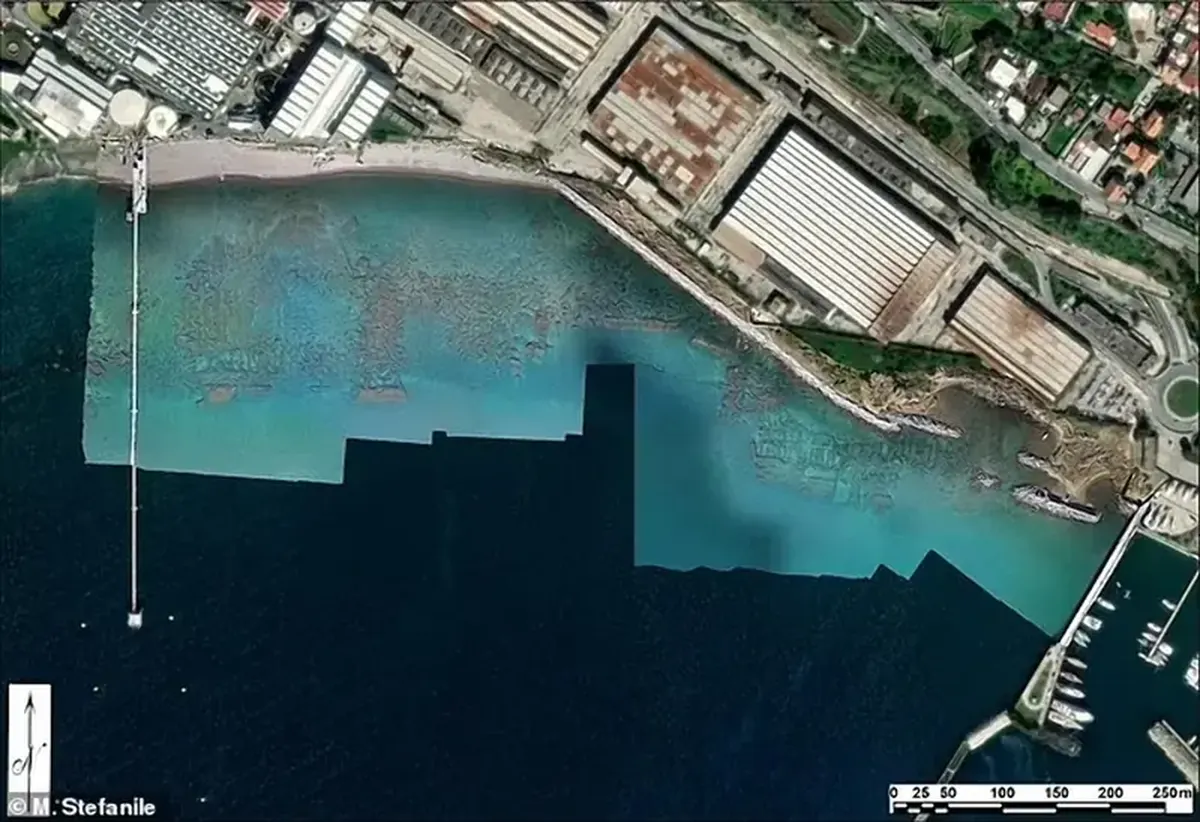
The submerged structure sits about 45 meters from the coast of Pozzuoli. In 195 B.C., the Roman colony of Puteoli was established here; it later became the Romans’ main port, receiving goods from across the empire—wine, perfumes, textiles, and grain.
In 2023, researchers found an altar and slabs of white marble in this part of the Bay of Naples. The team spent the following year excavating the site underwater, the Daily Mail reported.
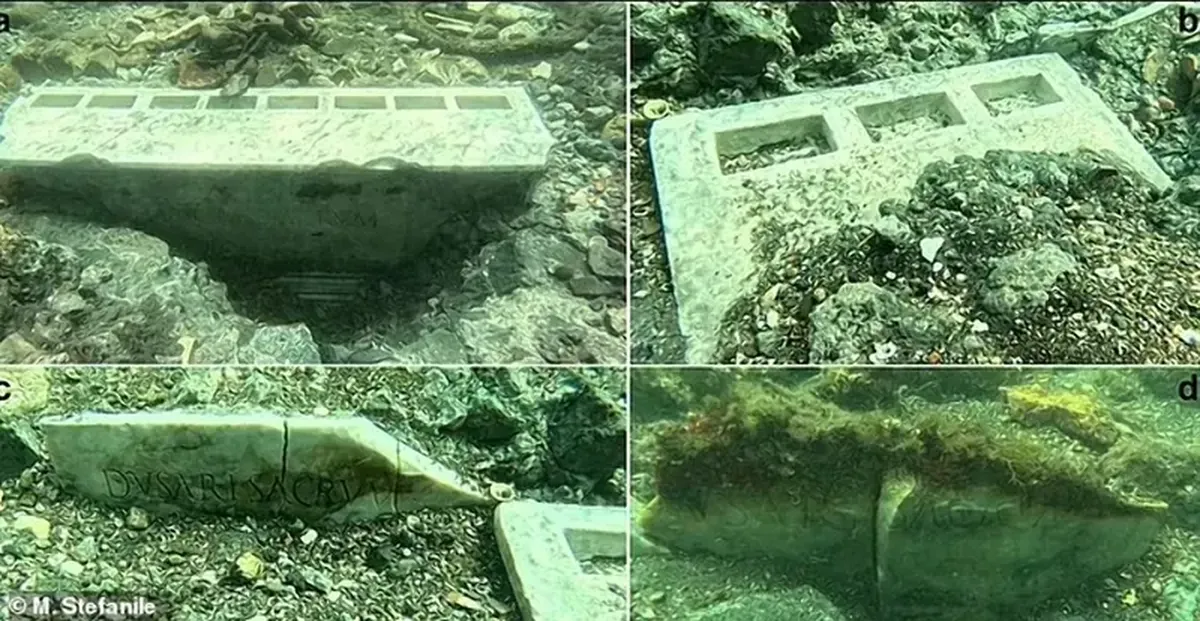
Archaeologists found that the Nabataeans built the temple rooms from local materials. The slabs in the first room bore a Latin inscription reading “Dusari sacrum,” which translates as “dedicated to Dushara,” the chief god of Nabataean religion.
The second room held two altars. Eight rectangular niches in the first altar once held sacred stones used in Nabataean worship, while the second altar contained three rectangular depressions.
The Nabataeans practiced a polytheistic religion influenced by ancient Greek and Egyptian beliefs.
It’s likely the structure was built during a period when the Nabataeans were wealthy, independent, and trading partners with Rome. The team wrote: “The creation of the sanctuary became possible when the Nabataeans enjoyed the freedom and opportunities afforded by their friendship with Rome and the independence of their homeland.”
Archaeologists suggested the temple was constructed during the reign of Emperor Augustus (31 B.C.–14 A.D.) or Trajan (98–117 A.D.).
What Else Is Known About the Nabataeans?
The Nabataean Kingdom was independent from the mid-3rd century B.C. and thrived across what is now Jordan, Israel, Egypt, Syria, and Saudi Arabia until Rome annexed it in 106 A.D.
Before the Roman annexation, this ancient Arab civilization controlled key trade routes that carried luxury goods from the Indian Ocean to the Mediterranean.
