Gaby
Gaby
People have been obsessed with finding Atlantis for centuries. Plato offered the most detailed account of the city—saying it sank after an earthquake and flood around 9500 B.C.—in 360 B.C. Since then, the Atlantis legend has driven archaeologists and treasure hunters alike. In the 19th century, some writers suggested the tale might be based on a real place. Still, the city remains lost to this day.
Archaeologists, however, have found other sunken settlements around the world. The British Daily Mail highlighted some of the most famous ghost towns.
Heracleion (Thonis), Egypt
This small but wealthy city was Egypt’s most important port until Alexander the Great founded Alexandria in 331 B.C.
Heracleion—also called Thonis—sank at the end of the 8th century B.C., likely after an earthquake and a powerful tsunami.
The ruins were first discovered in 2000 by a team led by French archaeologist Franck Goddio. The site sits about 10 meters underwater in Abu Qir Bay, roughly 6 kilometers from shore.
Archaeologists have recovered about 14,000 artifacts, including gold. They also uncovered 64 ships, a temple complex with statue fragments and a monumental stele, and many other rare objects.

Rungholt, Germany
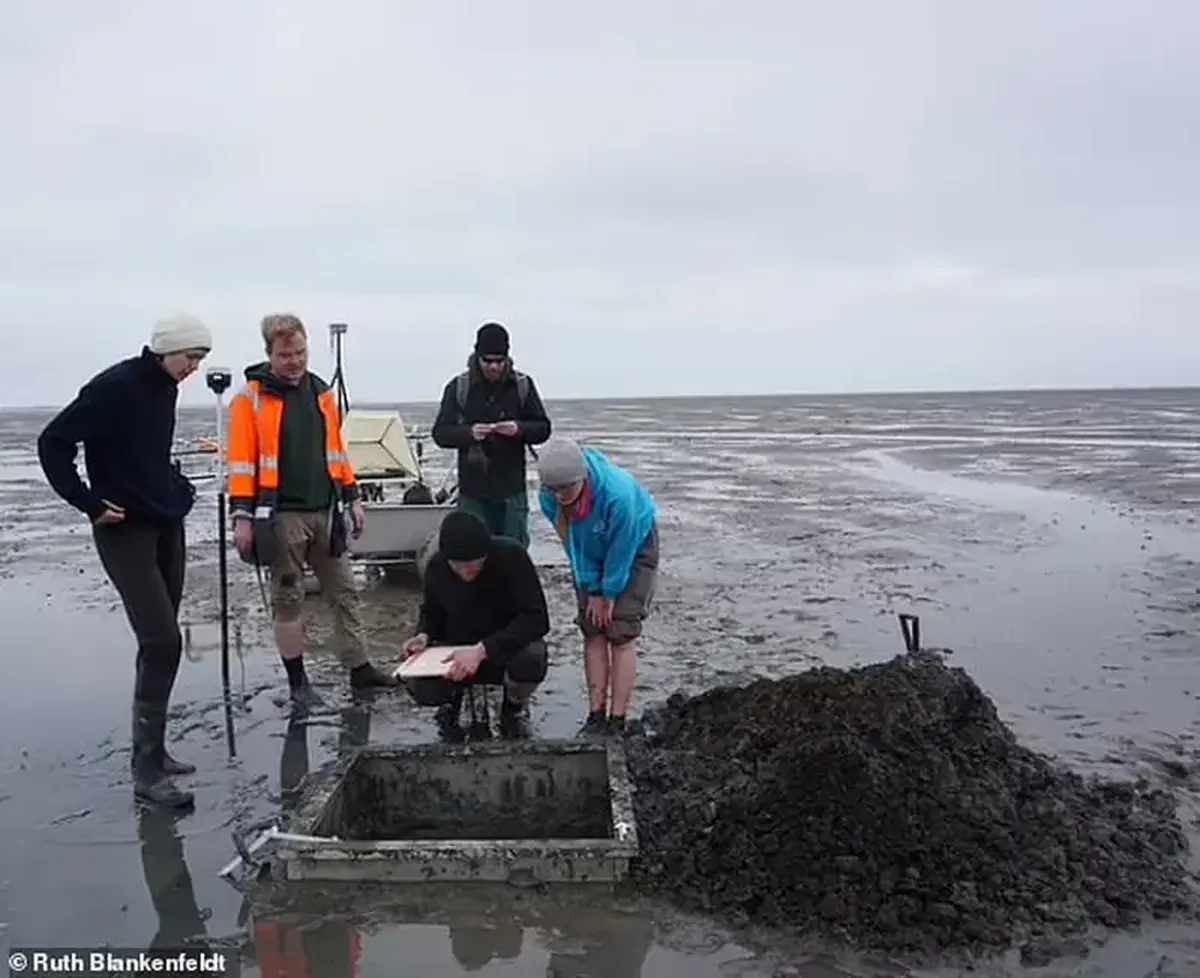
Last year, underwater archaeologists mapped the lost settlement of Rungholt, often called the German Atlantis. In medieval times it was a thriving trading center in North Frisia, located in the Danish duchy of Schleswig.
A storm on January 15–16, 1362, submerged the city under the North Sea. About 3,000 people lived in Rungholt when the disaster struck. Legend says the city was punished by heaven for its drunken revelry and immorality.
Since then, Rungholt has rested about 40 meters beneath the muddy seabed.
Atlit-Yam, Israel
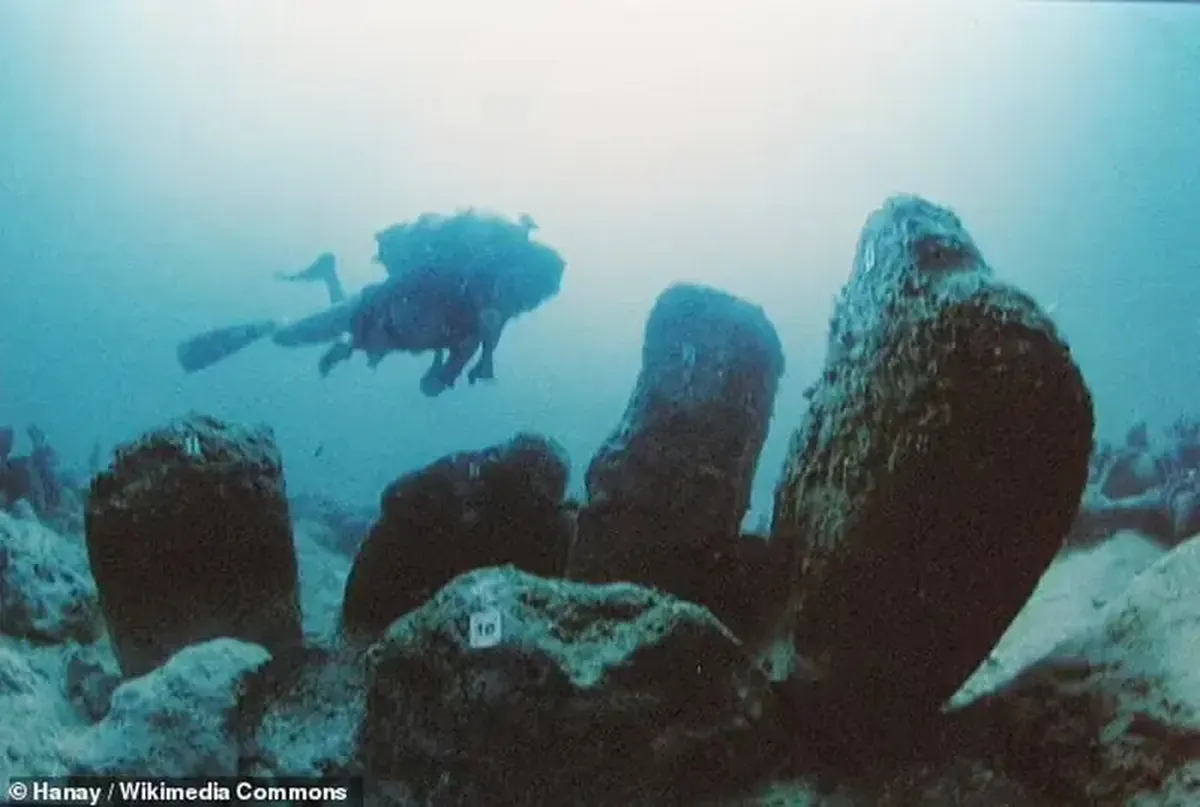
Atlit-Yam, off the coast of Israel, is one of the oldest and largest submerged settlements ever found.
The ruins lie 8–12 meters below the Mediterranean surface and date to the seventh millennium B.C., covering more than 40,000 square meters.
Archaeologists uncovered rectangular houses, a mysterious stone circle, numerous burials (including some inside dwellings), animal remains, stone tools, and weapons.
Atlit-Yam was flooded as sea levels rose.
Pavlopetri, Greece
Some have linked the Atlantis legend to the ancient Greek city of Pavlopetri (meaning “Paul’s Stone”).
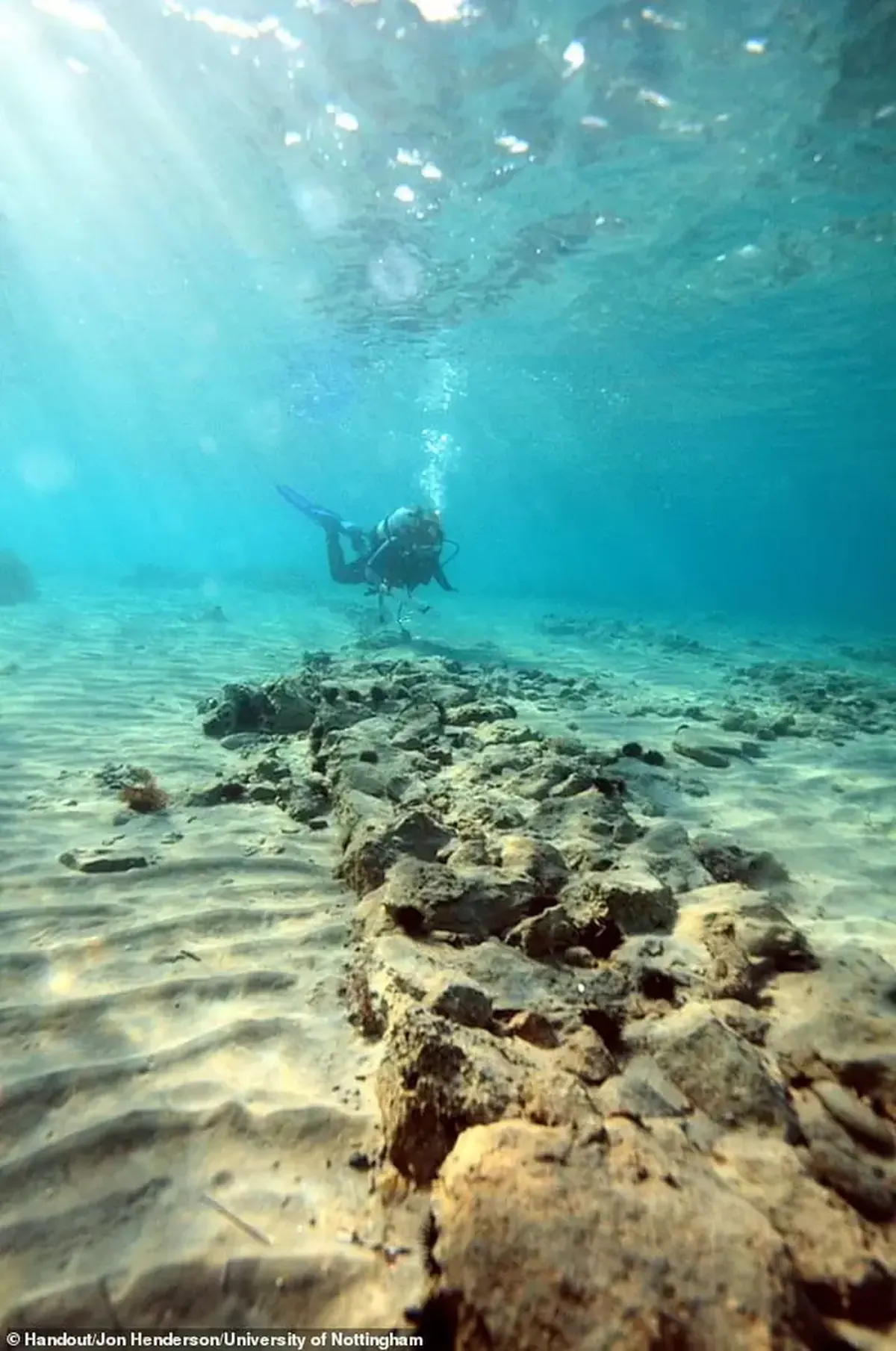
A team led by archaeologist Nicholas Flemming discovered the ruins in 1967. The site covers more than 46,000 square meters.
Researchers date Pavlopetri to around 2800 B.C.; it appears to have sunk around 1000 B.C. after three consecutive earthquakes.
Underwater, archaeologists found residential quarters, market squares, workshops, gardens, and neatly laid-out streets. It was one of the earliest cities planned with a clear urban layout.
Port Royal, Jamaica
Port Royal was once a paradise for pirates and rogues. The Spanish colonized the area in 1494.
Built on a sandy spit, the city became infamous for its dens of vice, gambling houses, and taverns. It was even dubbed the “Sodom of the New World.” Still, the town hosted temples of several denominations.
Historical records say an earthquake destroyed the city in 1692; it sank in less than three minutes. The disaster killed about 2,000 people.
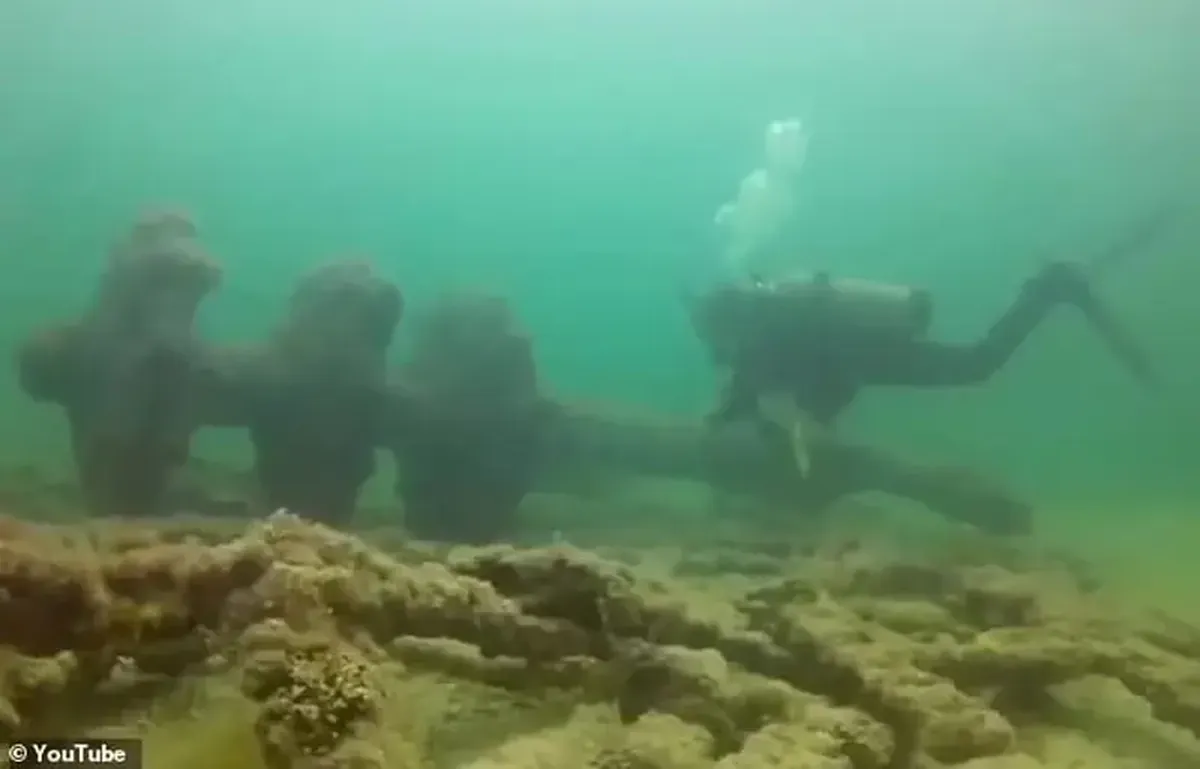
Bai, Italy
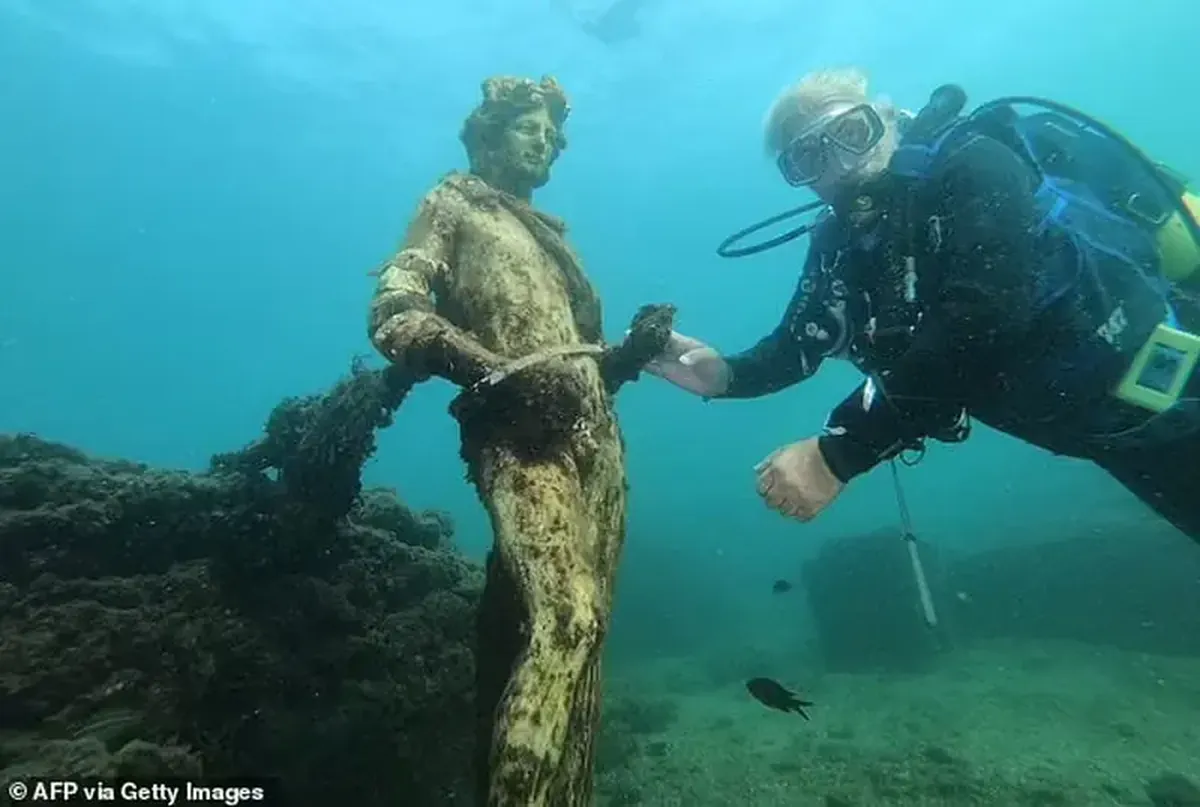
The underwater ruins of Bai in the Bay of Naples attract divers from around the world. In ancient times, Bai was a resort for Roman aristocrats.
The earliest mentions of Bai, or the Cumaean Waters, date to 178 B.C. Residences in the resort belonged to Caesar, Caligula, Claudius, and Nero.
Between the 3rd–4th centuries and again in the 7th–8th centuries, slow tectonic shifts caused a 100-meter coastal strip with substantial buildings to sink beneath the waves.
Today, the site is an archaeological park where divers can see well-preserved mosaics, marble statues, eel-breeding ponds used by Roman gourmets, and the remains of houses and baths.