
 Gaby
Gaby
Warning signs, symptoms, risk factors, and lifestyle changes: discover how to live longer with HouseWife.
Atherosclerosis is a disease of the arteries caused by buildup of cholesterol plaques on vessel walls. These plaques grow over time, making the arteries harder and less elastic. That disrupts normal blood flow and can lead to blood clots that block vessels and cause a heart attack or other cardiovascular events. Major risk factors include high cholesterol, smoking, high blood pressure, diabetes, and a sedentary lifestyle. Prevention and treatment combine dietary changes, regular exercise, and medications prescribed by a doctor.
Atherosclerosis – Symptoms
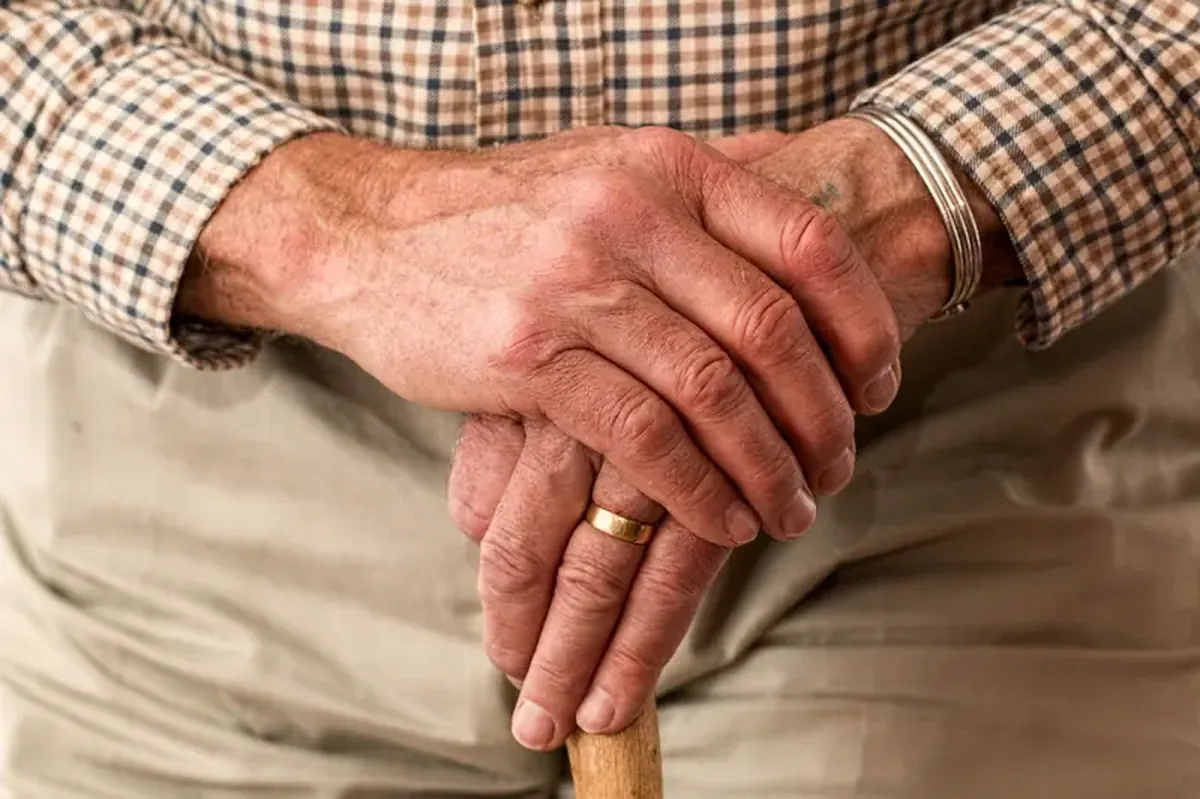
Cold hands and feet, pale or bluish skin, frequent heart problems, memory decline, poor concentration, fatigue, and irritability can all signal atherosclerosis or age-related wear on blood vessels.
In its early stages, atherosclerosis often causes no symptoms. The clearest signs usually appear in the peripheral arteries of the legs. The disease can first show up as sudden leg pain and the onset of claudication. Muscle pain and cramps typically occur during activity and ease with rest.
The affected area is usually where an artery is narrowed or blocked, most commonly in the calf. As the disease progresses, pain can worsen and spasms may continue even at rest, such as when lying in bed. Getting up and walking for a few steps or elevating the leg can sometimes relieve the discomfort.
Symptoms of Atherosclerosis in the Lower Limbs:
- Feeling of heaviness in the legs;
- Weakness or numbness in the legs;
- Difficulty walking;
- Shiny or abnormal skin color;
- Painful cramps in the calves and thighs;
- Coldness in the foot or lower part of one limb;
- Slow healing of wounds on the calf, foot, and toes;
- Hair loss on the legs;
- Slow nail growth;
- Weak or hard-to-find pulse in the legs;
- Impotence.
If you notice a “marbled” skin pattern, one-sided coldness in hands or feet, tingling, burning, numbness, cramps, or pain, see a vascular surgeon. The specialist may measure the ankle-brachial index and compare blood pressure in both arms, which helps with diagnosis.
The vascular specialist will check the pulse in the foot and below the knees, listen to the carotid, femoral, and inguinal arteries, and examine the abdomen and supraclavicular area. If needed, the doctor will order laboratory tests to check lipid levels and assess organ function.
Metabolic disturbances cause fats and calcium to deposit on artery walls, so vessels gradually lose flexibility and become narrowed. Reduced blood flow increases the risk of ischemic damage and thrombosis when a cholesterol plaque critically obstructs a vessel. That can lead to claudication, stroke, or myocardial infarction. Atherosclerosis is insidious and can be catastrophic, so don’t ignore alarming symptoms.
Atherosclerosis – Causes
Warning signs of atherosclerosis often include high blood pressure, elevated cholesterol (which feeds plaque growth and obstructs blood flow), and diabetes. Diabetes accelerates the development of atherosclerosis by decades; people with diabetes have a much higher likelihood of vascular disease.
Other risk factors include age, family history, unhealthy habits, a poor diet, excess weight, and biological sex.
Excess Weight
Excess weight is a major contributor because extra pounds increase the risk of diabetes. Weight is considered excessive when body mass index (BMI) exceeds 30. Obesity combined with inactivity puts extra strain on the legs.
Diet
Cut fast food, red meat, excess salt, and foods high in unhealthy cholesterol from your diet if you want to protect your arteries.
Genetics
A genetic predisposition raises your baseline risk for atherosclerosis, but a healthy lifestyle can help counter that risk.
Harmful Habits
Smoking is highly toxic to blood vessels. Moderate alcohol intake (about 50 g of vodka, 100 g of wine, or 0.5 L of beer per day) has sometimes been associated with lower atherosclerosis risk, but the same regular drinking can contribute to liver cirrhosis. Heavy drinking accelerates vascular damage. Doctors point to smoking and alcohol abuse as major triggers for prolonged narrowing of blood vessels, which in severe cases can cause irreversible arterial damage.
Gender
Men are more likely than women to develop atherosclerosis earlier in life. Warning signs often appear in men from around age 45, while in women they typically emerge closer to age 55. This difference relates to estrogen’s influence and to differences in low-density and very low-density lipoprotein metabolism.
Age
Atherosclerotic changes can start as early as ages 10–15. Over a lifetime, the process can speed up or slow down depending on lifestyle and health. Symptoms generally increase with age.
Prevention of Atherosclerosis
If you are past middle age, follow these guidelines:
- Quit smoking and limit alcohol;
- Monitor your blood pressure (keep it below 140/90 mmHg);
- Maintain a healthy weight – preventing atherosclerosis depends on keeping weight in a normal range;
- Eat regular, balanced meals: diversify your diet with plenty of fruits, berries, and vegetables; reduce animal fats, cholesterol-rich foods, strong meat broths, coffee, and salt;
- Stay active, exercise regularly, and move more – inactivity is an enemy of healthy blood vessels;
- Protect your nervous system from excessive stress, negative emotions, and poor sleep; keep a healthy work-rest balance;
- Have regular preventive checkups with an endocrinologist, ophthalmologist, nephrologist, and vascular surgeon.
After age 50, get a full blood panel twice a year. Regular doctor visits should include checks of cholesterol and blood sugar.
Necessary Examinations:
- Electrocardiogram;
- Ultrasound of the aorta;
- Coronary angiography;
- Angiography;
- Aortography;
- X-ray;
- Ultrasound of the renal vessels.
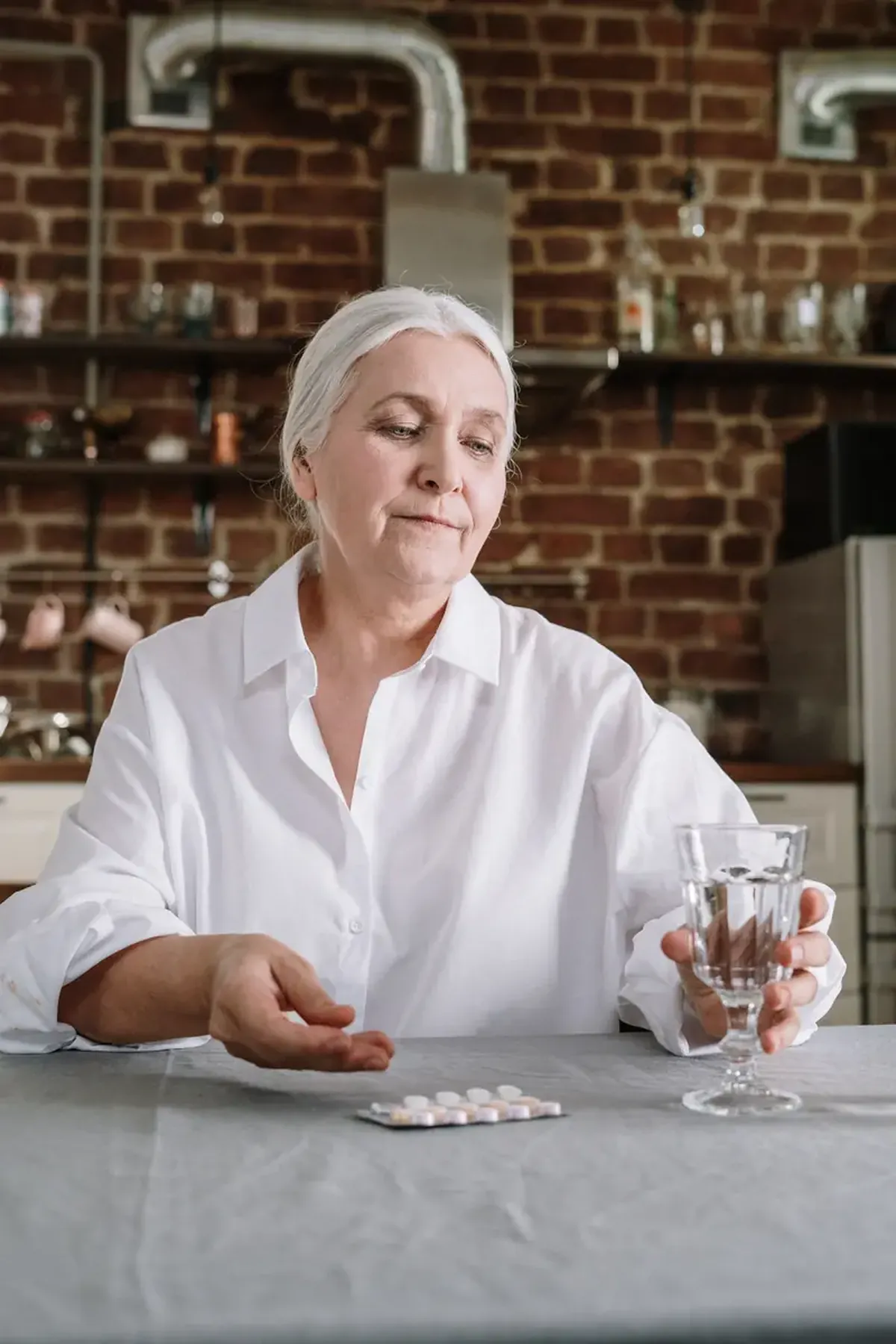
In the early stages, conservative medical treatments can be effective. Medications can normalize blood pressure, lower cholesterol, and prevent thrombosis. Statin therapy can slow or halt plaque progression. With timely treatment and lifestyle changes, the disease process can be stopped and, in some cases, partially reversed.
Healthy Diet
Diet changes for atherosclerosis depend on your weight. If you have excess pounds, limit daily calories to about 2,000 kcal. Make breakfast 300–500 kcal (for example, buckwheat without milk or oil, low-fat cheese, and a cup of green tea). Have a mid-morning snack of up to 200 kcal (an apple).
Prohibited Foods:
- Baked goods;
- Fatty meats and rich broths;
- Offal (poultry skin, liver, kidneys, brains);
- Pâtés, sausages, lard;
- Margarine, butter, and animal fats;
- High-fat cheeses, sour cream, cream, whole and condensed milk;
- Sugar.
Beneficial Foods and Drinks
- Walnuts and pistachios (support cardiovascular health and help normalize blood sugar and cholesterol);
- Onions and garlic (they promote nitric oxide production, which can lower blood pressure);
- Tomatoes, bananas, avocados (potassium-rich produce helps protect arteries from calcification);
- Foods rich in vitamin C and beta-carotene (citrus, black currants, carrots, peaches, melons, sweet peppers, zucchini, cauliflower, fermented cabbage, parsley, dill, spinach, lettuce);
- Buckwheat, rice, oatmeal, lentils;
- Cheese (up to 100 g every other day for a source of beneficial nutrients);
- Protein-rich foods (seafood, lean fish, and lean meats such as rabbit, chicken, veal, and turkey);
- Green tea (can aid fat metabolism and support vessel elasticity);
- Kefir with 2.5–3.2% fat (may help prevent deposits on vessel walls);
- Dry red and white wines (sometimes claimed to help with cholesterol, but alcohol carries risks);
- Cocoa (may lower cardiovascular risk).
A balanced, high-fiber diet helps atherosclerosis recede. Regular intake of niacin, vitamin A (retinol), B vitamins, vitamins E and D3, vitamin C, and folic acid supports overall vascular health.
Treating Atherosclerosis of the Lower Limbs at Home
Because atherosclerosis is driven by disrupted lipid metabolism, home care should focus on improving metabolism and fat breakdown. Traditional remedies are sometimes used to try to dissolve cholesterol deposits and strengthen vessel walls, but evidence varies and medical supervision is important.
Traditional practitioners often recommend lemon juice combined with vegetable oils (flaxseed or olive) and herbal preparations such as chicory and dandelion root to improve circulation. Meadowsweet and couch grass are used in folk therapy to support vessel walls. Nettle, dandelion, birch leaves, cranberry, and strawberry are among plants thought to help cleanse the blood. Juniper, mint, lavender, and caraway essential oils, garlic tincture, honey mixtures, and decoctions of hawthorn and tansy flowers are also used in folk recipes. A balanced herbal blend may offer improvement in early-stage atherosclerosis, but consult a doctor before using herbs.
The danger of uncontrolled herbal treatment is losing valuable time. Atherosclerosis is a leading cause of death and disability worldwide. It affects many people, and with aging the condition becomes more common. About half of patients with peripheral vascular disease face the risk of gangrene and limb amputation, and sadly, a significant share die prematurely. Early, qualified treatment improves quality of life and increases the chances of survival at any age.
