
 Gaby
Gaby
True cognac is a noble drink, best appreciated by refined palates. Appreciating it takes a bit of sophistication.
Producing quality cognac is no easy task. Achieving excellent results requires a significant investment of time and effort. The craft of cognac-making is passed down through generations, demanding skills and expertise that border on artistry.
Historically, cognac has been regarded as the drink of aristocrats, captivating its admirers with its exquisite taste and unique aromas. Its origins and recipe are shrouded in mystery. France is considered its birthplace, as it was there that cognac was first created. However, over time, Georgia has also emerged as one of the most renowned producing countries.
What is Cognac Made From?
Many store-bought spirits have little in common with the real thing. In its original form, cognac is a type of grape brandy made exclusively from white wine. Surprisingly, the wine used must be highly acidic and unsuitable for consumption, because that condition allows the raw material to age properly in oak barrels.
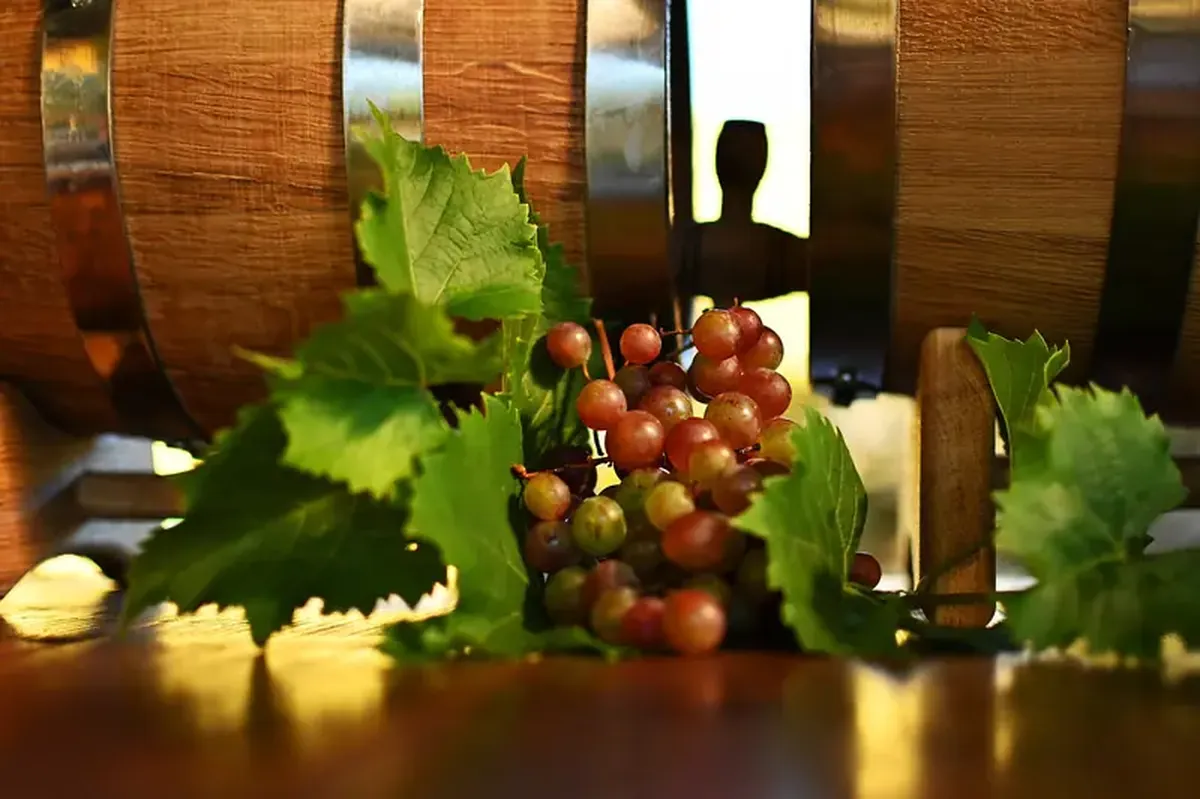
The wine is made from grapes—specifically, white grape varieties. The selection process is taken very seriously, as the grapes must be wine grapes. The most famous variety is Ugni Blanc. Winemakers value it for its ability to thrive in many environments and resist various grape diseases. Additionally, it yields reliable harvests and has a high acidity level. Winemakers often use this grape variety to produce other wines and to balance excessive sweetness.
Cognac can also be made from other grape varieties, such as Colombard and Folle Blanche. The ideal cognac is one that incorporates three types of grapes, because each variety contributes its own note and character. As a result, a drink emerges with a balanced profile of flavors and aromas. For instance, Ugni Blanc provides floral notes with a hint of spice. Folle Blanche helps create a classic cognac bouquet with summer fragrances—lime and violets—that deepen with years of aging. Colombard adds the necessary sharpness and strength.
The timing of the grape harvest is crucial. This should occur around the end of October, as all the aforementioned varieties are characterized by slow ripening. Unlike the production of regular wine, no machines are used to crush the grapes during this process. Naturally, the ratio of different grape juices is determined by the producer, which ultimately influences the unique recipe.
How Cognac is Produced
The process of making this drink is just as fascinating as its history. It requires special equipment and strict adherence to the recipe. Moreover, great attention is paid to the sequence of all stages, which are as follows:
- growing and harvesting grapes;
- pressing the juice;
- fermentation;
- distillation;
- aging;
- blending.
The foundation of the process is the double distillation of the finished grape wine. To achieve the desired floral aroma, cognac must be aged for several years in oak barrels. This stage is crucial for the production of the drink.
The characteristics of the future cognac depend directly on the barrel itself—not only the taste, but also the aroma and color. It must be made of oak, as this wood allows the wine to absorb around 2,000 components that impart that unique flavor. The barrels are crafted solely from wood, without the use of nails.
Barrels can be reused. The older they are, the darker the drink becomes. An old barrel also affects the strength of the cognac, which should not exceed 40-45 degrees. To protect the barrels from pests, spiders are deliberately bred in wine cellars, where they weave their webs around them.
To produce a good drink, the wine must be aged for at least two years. Some varieties are aged for 80-100 years, during which approximately 3% of the wine evaporates from the total volume. Winemakers refer to this loss as the “angel’s share.”
Humidity in the cellar is also important. It must be maintained at a certain level, as only then will the cognac develop all its noble qualities.
How to Properly Enjoy Cognac
A fine old cognac deserves special treatment; it doesn’t tolerate haste or disrespect. With the right approach, this noble French brandy will delight you with a luxurious palette of flavors and aromas. To truly savor each sip, consider the following tips:
- Choose a calm setting or drink in solitude;
- Fill the glass only a third of the way;
- Take small sips and hold each one in your mouth for a few seconds to appreciate the aftertaste;
- After finishing the glass, take a moment to inhale the delicate aromas that linger.
Drink it neat—especially cognacs aged up to 20 years. For older cognacs, mix with mineral water, coffee, ice, tea, or juices, or use in cocktails.
What Are the Benefits of Cognac?
Consumed in moderation, cognac may offer antiseptic and tonic effects—just don’t overindulge. When combined with other beverages, cognac can be used as a home remedy, for example:
- Mix with hot tea to help prevent colds;
- Warm with honey and lemon to reduce fever;
- Mix with hot milk to help treat coughs and ease bronchitis.
It can benefit both men and women. Cognac can improve skin and hair condition, relieve stomach cramps, and normalize gastrointestinal function. Consuming no more than 40 grams of cognac daily can enhance cardiovascular and vascular health. A shot before bed can help combat insomnia. Many enjoy drinking coffee with cognac to boost energy. A homemade tincture of cognac with rowan berries can improve immunity and reduce inflammation in internal organs.
Today, this “drink of the gods” is more accessible than ever. It offers a taste of Parnassus without a trip to Greece. The key is moderation—everything can be toxic in large amounts, especially a strong spirit.
