
 Gaby
Gaby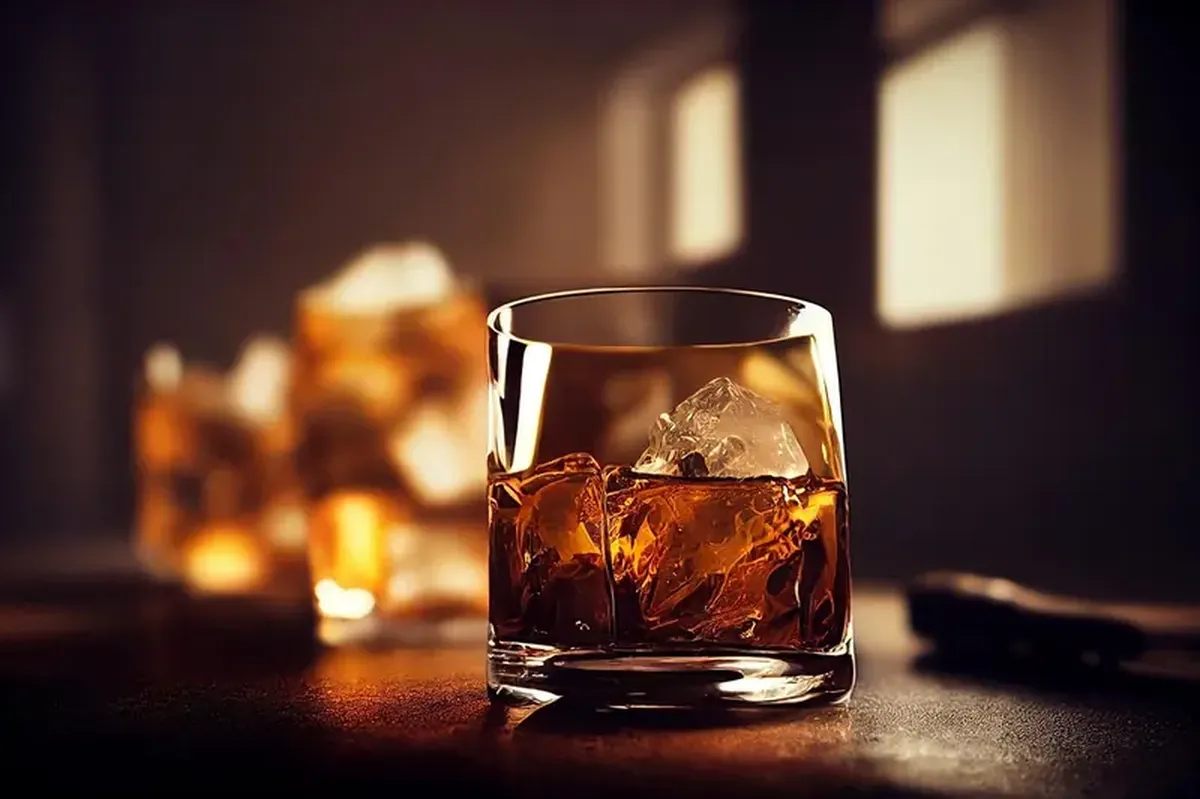
Every year on the third Saturday in May people celebrate International Whiskey Day. George Bernard Shaw famously called the drink “liquid sunshine.” The English word “whiskey” and the Scottish “whisky” come from the Gaelic uisge beatha and the Irish uisce beatha, both of which mean “water of life.” In medieval Europe, the Latin term “aqua vitae” referred to a concentrated aqueous solution of ethanol produced by distilling ale, beer, wine, and other fermented drinks.

Not Just a Harsh Smell
When someone compares whiskey to homemade barrel-aged spirits, there is some truth to that. Scotland and Ireland’s national alcoholic beverage is made by distilling a fermented grain mash and aging the spirit in oak barrels. That means whiskey can technically be made anywhere, even at home—like the homemade spirits some people find unpleasant. But the hallmark of whiskey is not the sharp alcohol smell typical of homemade brews; it’s a sweet, malty aroma with hints of vanilla, smoke, and oak.
Sommeliers describe whiskey as bold and complex, with bright tart citrus notes, layers of vanilla and caramel, and hints of fermented fruit. Above all, connoisseurs praise the lingering aftertaste of aged oak. The wood helps remove residual impurities from raw distillates and introduces congeners—compounds that shape whiskey’s distinctive flavor and aroma. Charring the barrels releases natural phenols from the wood, including compounds derived from lignin.

Different grains go into different whiskeys: wheat, corn, barley, or rye, often used with their malts. Whiskey has a history stretching back more than 500 years and grew out of earlier beer-making traditions. Malt Scotch was first recorded in 1494, while grain whiskey appeared about three centuries later, around 1830. In Scotland, more than 120 active distilleries produce the national spirit, each with its own character. Still, only a handful of single-grain bottlings are widely known there, including Glen Wolf, Glen Clyde, Black Barrel, and Invergordon.
A Journey Through History
From 1505, the Guild of Surgeons and Barbers in Edinburgh held a monopoly on whiskey production, and for a time whiskey was sold as a pharmaceutical product in apothecaries. The first written mention of whiskey comes from an Irish monastery in 1405. A Scottish treasury record dated June 1, 1494, grants a monk “eight bolls of malt for making aqua vitae.” But the drink’s origins likely predate these records.
Some scholars argue that spirit distillation began in the Middle East in the 8th and 9th centuries AD, and that Christian monks later brought the technique to Ireland and Britain. Other theories tie the practice to St. Patrick in the 5th century or to farmers who distilled surplus grain. Whatever its exact origin, whiskey became woven into the traditions, celebrations, and rituals of many cultures.
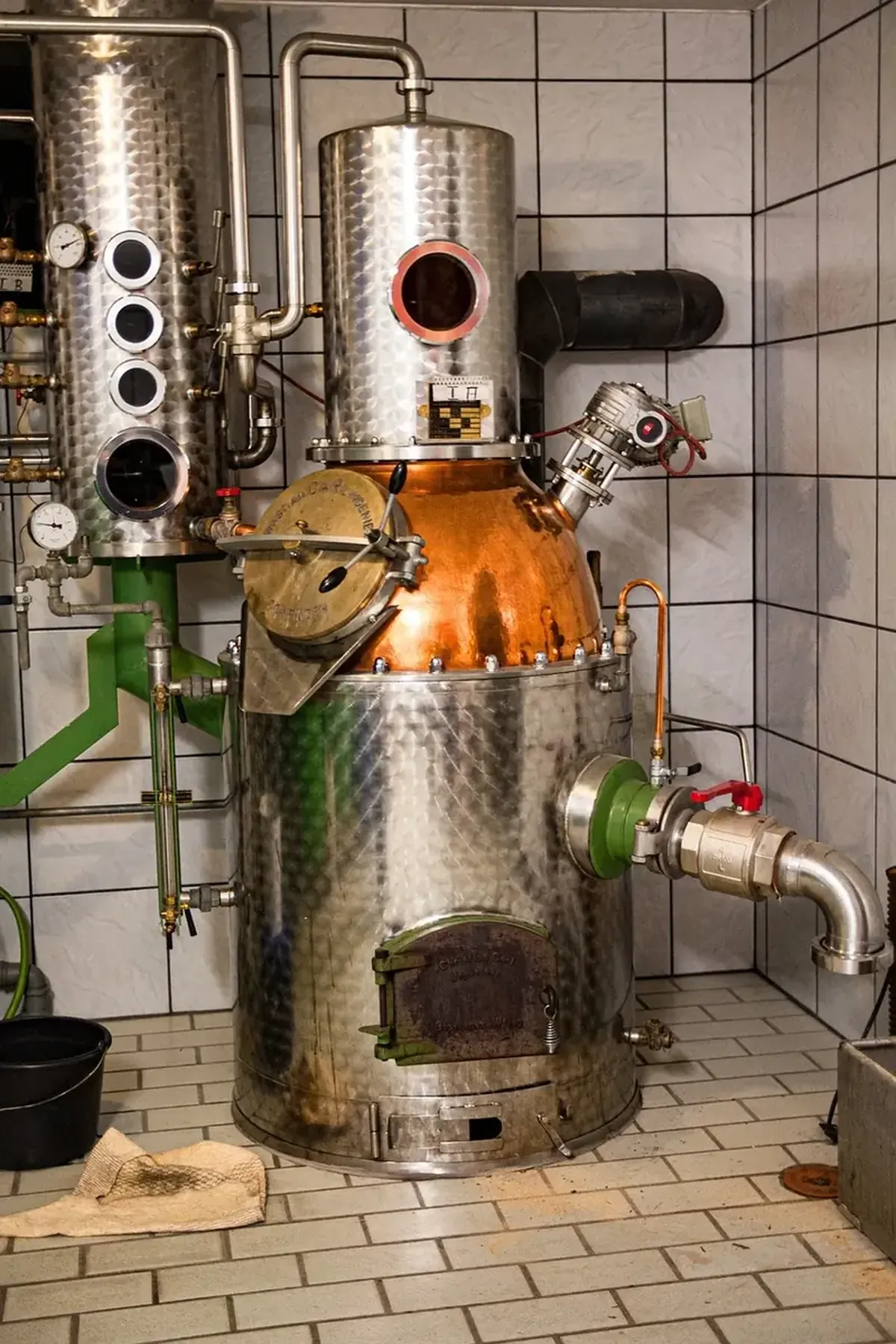
Countries that produce whiskey include Scotland, Ireland, Canada, the United States, India, and Japan. The spelling “whisky” is used in Scotland, Wales, Japan, and Canada, while “whiskey” became associated with spirits distilled in Dublin and throughout Ireland. That distinction helped set Irish whiskey apart. Since the late Victorian era, Irish whiskey enjoyed peak global popularity, though the spelling difference can still confuse U.S. consumers.
American Whiskey
Since 1968, the Bureau of Alcohol, Tobacco, Firearms and Explosives (ATF) has allowed spirits produced in the United States to be labeled “whiskey.” U.S. producers may use either spelling—”whisky” or “whiskey”—though most choose the Irish-style spelling, with exceptions such as Maker’s Mark, Early Times, and George Dickel. American whiskey is made in regions where grains are grown.
The same name can hide different ingredients, quality levels, and alcohol strengths. “Straight whiskey” refers to spirits aged in oak barrels for at least two to three years and falls under specific federal categories. Common named varieties include rye (at least 51% rye), bourbon (at least 51% corn), and corn whiskey (at least 80% corn).
American straight whiskey is typically distilled to no more than 80% alcohol by volume (ABV) and is usually diluted to between 50% and 63.5% ABV for bottling. Not all straight whiskeys must be aged in charred barrels, but even six months in wood adds color, flavor, and aroma while smoothing harshness. Blended American whiskeys mix straight whiskey with unaged spirits. Tennessee whiskey, like Jack Daniel’s, is filtered through sugar maple charcoal, giving it a distinctive flavor and aroma that sets it apart from bourbon.

Scotch Whisky
Scotch whiskies, often just called “Scotch,” are typically distilled twice and sometimes three times. International law requires that Scotch be distilled in Scotland and aged at least three years in oak casks (usually up to 700 liters). A Scotch’s age is the time between distillation and bottling, reflecting how long the spirit interacted with the wood. When a blend lists an age, that age must match the youngest whisky in the mix.
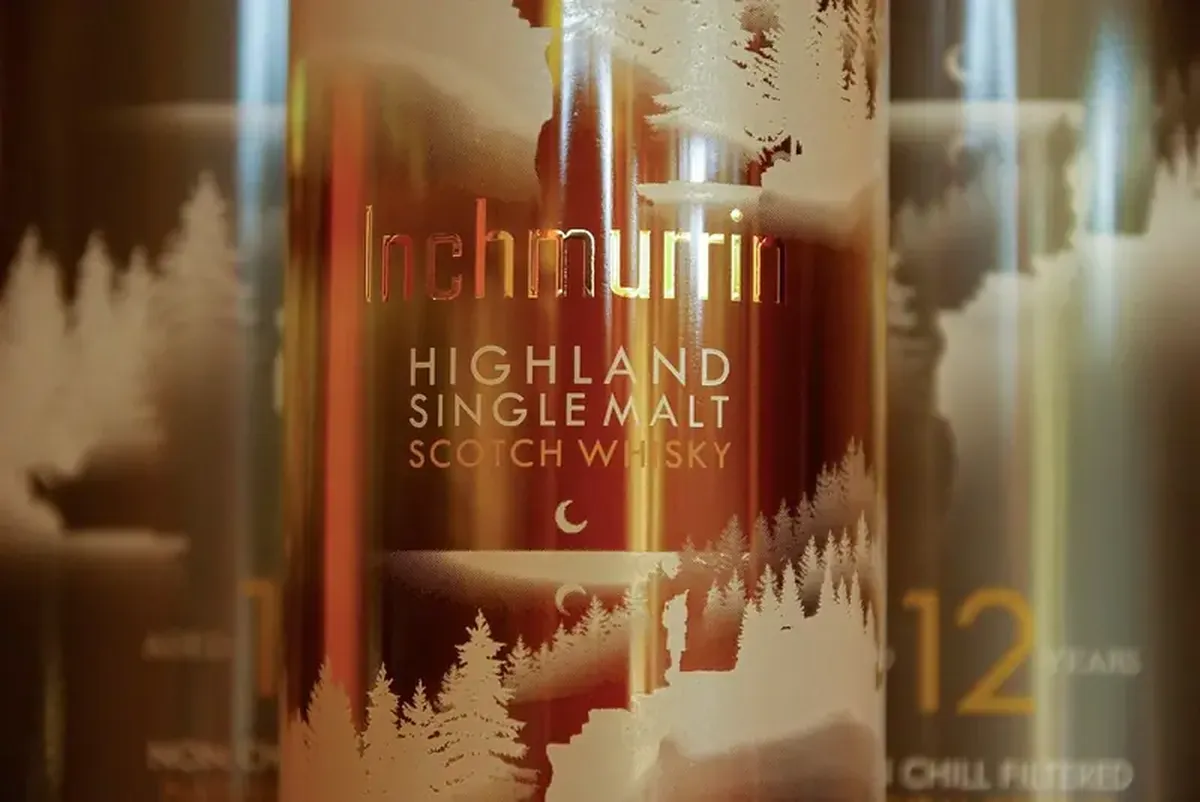
Scotches fall into two broad categories: malt and grain. Malt whiskies are made from malted barley and distilled in pot stills. Single malt whiskies come from a single distillery. If a Scotch is not labeled “single cask,” it contains liquid from multiple barrels; blenders combine barrels to achieve a distillery’s signature flavor. Many single malts are named after their distilleries—Bowmore, Glenlivet, and Glenmorangie, for example.
Producers may also highlight finishing techniques, like aging in port or sherry casks. Blended malt Scotch combines malt whiskies from different distilleries. Grain whiskies, often made on continuous Coffey stills from barley and other grains, were once used mainly for blends but are now also bottled as single-grain expressions. Malt and grain whiskies can be blended in ratios that vary from about 10% to 50% malt.
Differences in Technique
The art of distilling Scotch developed over centuries. Production expanded sharply in the mid-19th century after European vineyards were devastated by the phylloxera pest and after more efficient distillation equipment became widespread in the 1830s. Classic Scotch uses malted barley, while Irish whiskey often combines malted and unmalted barley and sometimes adds rye. A hallmark of many Scotches is a smoky flavor.
Scotch producers traditionally use peat to dry the malt, infusing the grain with smoky phenols; Irish distillers typically dry malt in peat-free ovens and soften the spirit with triple distillation. Pure pot still Irish whiskey is made from a mash of malted and unmalted barley distilled in pot stills and is aged in wooden casks for at least three years. Wales also produces whiskey under its own traditions.

In the U.S. and Canada, common base grains include corn (for bourbon), rye (for rye whiskey), and wheat (for wheat whiskey). Canadian whiskies are often blends of multiple grains. Japanese whiskies use barley and sometimes corn or millet, with occasional small additions of rice or other grains. Turkey once produced whiskey under the Ankara brand from 1964 to 2011. Much Indian whiskey is distilled from fermented molasses and would technically fall into the rum category, but Indian distillers also make grain-based whiskeys—Amrut is a notable example.
Why Is It Not Cheap?
Blends are categorized by aging: standard blends contain spirits aged at least three years; de luxe blends usually include spirits aged at least 12 years; and semi-premium and premium blends rely on a high percentage of malt whiskies and may include very old spirits. The most desirable barrels for aging are American white oak, often reused after bourbon, and Spanish oak casks previously used for sherry—the practice of reusing wine barrels dates back to the 18th century.
By law, Scotch must age at least three years before it can be called whisky. Many single malts intended for standalone bottling age from five to 20 years or more. Irish whiskey is commonly aged around five years, while Canadian whiskey often ages for six. Premium whiskeys are frequently aged 10–12 years. Blends that include a significant portion of older malts may be labeled “De luxe.”
Very exclusive bottlings often age 21 years or more; some collectible releases are aged 30 to 50 years. The most expensive whiskey ever sold, the Macallan Valerio Adami 1926, fetched nearly £849,000 per bottle in 2018. Johnnie Walker is the world’s best-known brand, producing more than 130 million bottles a year. Every minute Scotland exports about 2,500 bottles of Scotch, and Scotch contributes roughly £135 to the UK treasury every second.
The Drink of Aristocracy
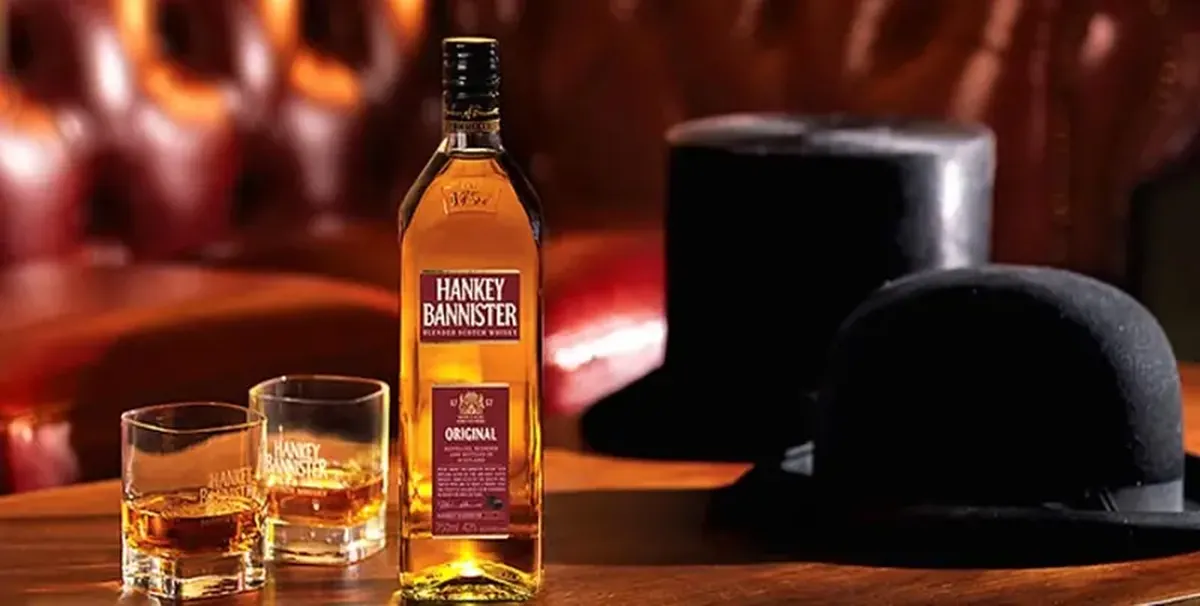
British prime minister Winston Churchill favored Hankey Bannister. The brand dates to 1757, when wine merchants Beaumont Hankey and Hugh Bannister established the label in London. Hankey Bannister Original blends aged malt and grain Scotches for a smooth, refined profile. Another blended Scotch, Monkey Shoulder, won double gold at the World Spirit Awards.
Monkey Shoulder is a blend of spirits from distilleries such as Kininvie, Balvenie, and Glenfiddich. Each spirit ages separately; after proper aging, 27 selected barrels are combined to create the final blend, which may then be finished further. A more budget-friendly blended Scotch is Bell’s. The world’s most popular Irish whiskey is Jameson, which sold over 8 million cases in 2019; the John Jameson distillery was established in Dublin in 1780.
These drinks are enjoyable neat or with ice, but how you drink whiskey is a personal choice. It is commonly served with soda or in cocktails with vermouth, lemon juice, or cola. A Whiskey Sour is a classic whiskey cocktail with citrus: mix 45 ml whiskey, 30 ml lemon juice, and 15 ml simple syrup in a shaker. Shake and strain into a chilled rocks glass or serve over ice.
Whiskey Stones
Many people avoid ice because melting cubes dilute the drink and change its flavor. Store whiskey upright in a dark, cool place to keep the liquid from contacting the cork and picking up off flavors. Whiskey drinks best around 17–18°C; higher temperatures bring out alcohol, while cooler temps mute aroma and flavor. The best alternative to ice arrived in the U.S. in 2007: whiskey stones.
Whiskey stones sit in a glass with a flat bottom and are most often made from soapstone, though varieties in jade, shungite, and stainless steel exist. Soapstone cubes are natural, odorless, tasteless, chemically inert, and long-lasting. They won’t alter the drink’s composition.
Before first use, rinse the cubes with warm running water (no detergent), dry them, place them in a cotton or linen bag, and freeze for at least two hours. Add 3–4 cubes per 50 ml of whiskey. After use, rinse the stones with water, return them to the bag, and keep them in the freezer. Handle the stones with tongs.
The Secret Is in the Dose
Whiskey pairs well with roasted meats or fish and with light snacks: salty crackers, nougat, dark chocolate, nuts, dried fruit, cheeses, sushi, fresh seafood, or smoked items like ham, bacon, or salmon. Moderation matters: a single serving—about 30 ml, which Scots call a “dram”—contains roughly 64 calories and very few carbohydrates.

Some sources suggest that moderate whiskey consumption may offer benefits because of antioxidants such as ellagic acid, and a few claim single malt whiskey contains more antioxidants than red wine. But heavy drinking raises the risk of cancers of the upper respiratory and digestive tracts and contributes to obesity, dementia, diabetes, digestive problems, and reduced longevity.
In moderation, whiskey can temporarily relieve cold symptoms, ease stress, and, by thinning the blood slightly, reduce the risk of ischemic stroke. Excessive consumption, however, damages the brain and liver, leads to addiction, and harms other vital organs. The old apothecary practice of selling whiskey reminds us that the difference between medicine and poison is the dose.
