
 Gaby
Gaby
HouseWife explored whether chicken eggs are safe for daily consumption, how they differ from eggs of other domesticated birds, what benefits they offer, who might be harmed by them, which foods they pair well with, and how to prepare them for maximum benefit. Tips for homemakers include how long to boil eggs, whether to wash shells, how to check egg freshness, and where to store them.
Nutritional Composition
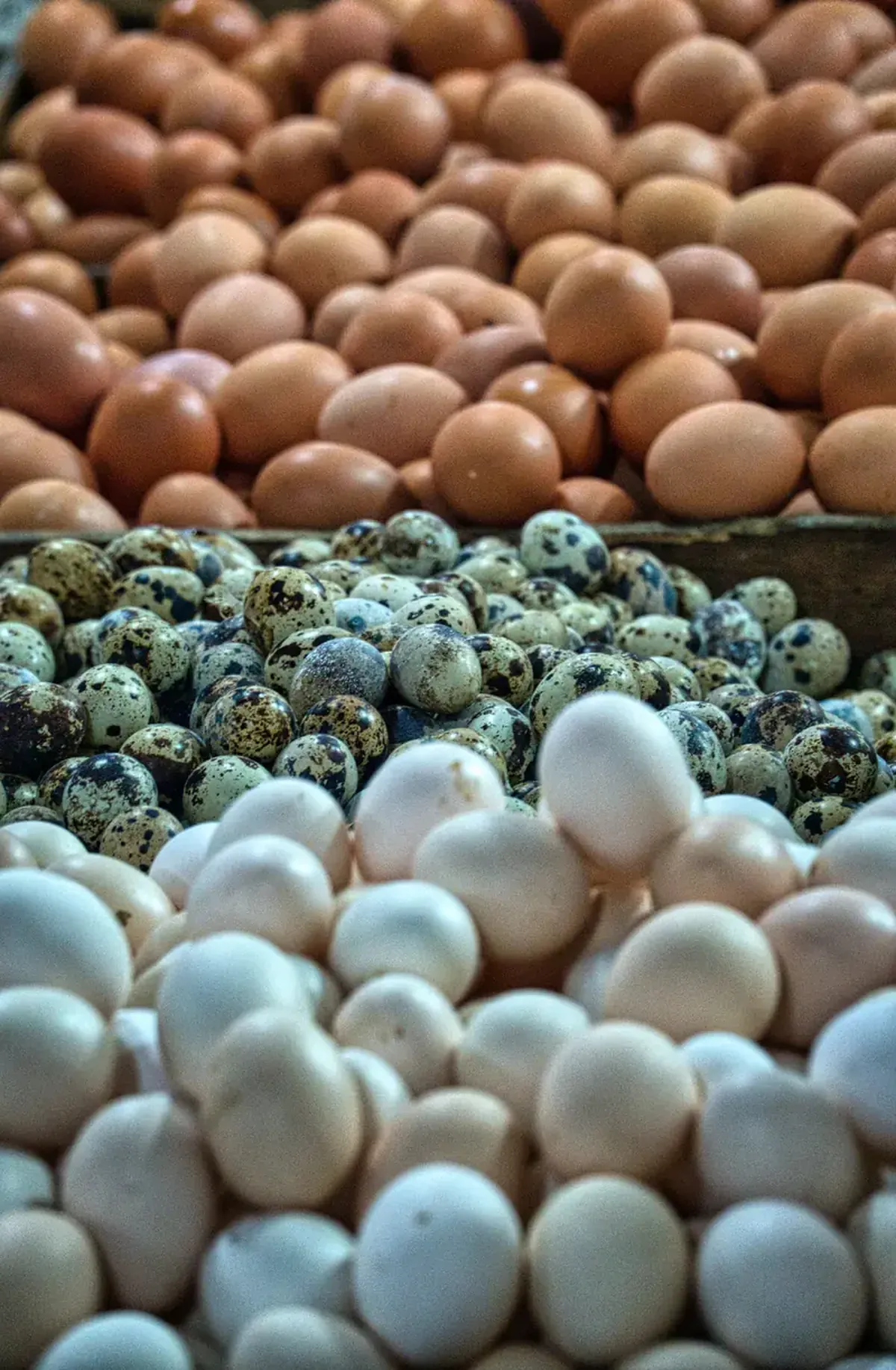
Eggs are considered a nutritious food with a balanced mix of calories, protein, fat, and carbohydrates. A chicken egg contains about 78 calories (quail eggs have 79 calories, while duck and goose eggs contain 105 calories). A chicken egg has 6 grams of protein (quail eggs have 6.5 grams; duck eggs have 7.2 grams; goose eggs have 7.8 grams), and 5 grams of fat (quail eggs have 5.5 grams; duck eggs have 7.8 grams; goose eggs have 7.5 grams). The rich mix of protein and beneficial fats reflects the egg’s role as a nutrient base for the embryo until a chick hatches. The white, yolk, and shell all contribute nutrients, which is why every part of the egg is edible.
The majority of an egg’s weight comes from the egg white, which makes up 56–58 percent. This transparent, gel-like substance is composed of about 90 percent water with dissolved proteins. Of the white’s many components, ovalbumin is the primary protein and an important source of amino acids for the body.
About 30 percent of an egg’s weight is the yolk, a denser substance that ranges in color from orange to yellow. The yolk color depends on the carotenoids lutein and zeaxanthin. The yolk contains fewer proteins but many lipids, vitamins, and cholesterol. Unsaturated and saturated fatty acids in the yolk are present in about a 2:1 ratio, with a notable amount of linoleic acid. Egg yolk is also a valuable source of lecithin, selenium, choline, riboflavin, and vitamins A, B, and D.
Benefits of Eggs
Eggs contain antimicrobial substances in both the white and the yolk membrane. Vitamin D in eggs helps the body absorb calcium. Phosphorus and vitamin A support healthy skin and vision. B vitamins help convert food into energy, while antioxidant compounds can reduce oxidative stress in the intestines. Thanks to their micronutrient mix, eggs can reduce inflammation and support the immune, reproductive, and skeletal systems. They also benefit vision and brain function and can help regulate weight.
For the Eyes
The carotenoids lutein and zeaxanthin in egg yolks help prevent macular degeneration and cataracts. Vitamin A in eggs is also essential for good vision.
For the Brain
Choline in eggs supports cognitive function and may help prevent cognitive decline.
For the Body
According to the World Health Organization, eggs provide highly bioavailable protein. In small portions, egg white can produce more satiety than the same calories from carbohydrates or fats.

The Key Element
Nutrition experts consider lecithin one of the most beneficial components of the egg. The term “lekithos” comes from ancient Greek and means “egg yolk.” Experts say egg yolk is among the richest natural sources of lecithin. This phospholipid is a primary structural component of cell membranes and supports many energy and metabolic reactions. Lecithin can enhance brain activity, improve nerve signal conduction, and support memory. It is used in treatments for conditions such as neuroses, depression, vision impairment, ulcerative colitis, atherosclerosis, and some cardiovascular diseases.
Protection Against Heart Attacks
As a phospholipid, lecithin is involved in synthesizing L-carnitine, an amino acid that helps provide energy to muscle tissue, including the heart.
Relief from Fatigue
Lecithin, as a source of choline, supports brain connections — it can improve cognitive function, help prevent age-related cognitive decline, and reduce feelings of fatigue.
A Barrier Against Pathogens
Lecithin makes up a large share of the phospholipids in the mucus that coats the colon (about 70 percent) and helps reduce inflammation of the mucous membrane. As an emulsifier, lecithin can prevent pathogenic microorganisms from adhering to the gut lining, which may ease symptoms in cases of ulcerative colitis.
A “Neutralizer” of Cholesterol
A deficiency of lecithin may contribute to atherosclerosis by promoting the formation of cholesterol plaques in blood vessels. Egg yolk contains about 2 grams of lecithin, which can help lower levels of “bad” LDL cholesterol while increasing “good” HDL cholesterol. In that sense, lecithin can mitigate some of the cholesterol-related concerns associated with egg yolks.

Safe Yolk
The cholesterol content in an egg yolk ranges from about 185 to 215 mg (daily recommendations are up to 300 mg for most people). Endocrinologists say cholesterol is necessary for the body to synthesize steroid hormones, vitamin D, and bile acids. Cholesterol becomes a risk factor for atherosclerosis, liver disease, and gallbladder stones only when present in excessive amounts.
Research shows people obtain only about 30 percent of their cholesterol from food; the majority is synthesized by the body. Depending on individual genetics, some people may have elevated cholesterol levels even when they limit dietary cholesterol. In many cases the increase is in HDL (the “good” cholesterol), which is not harmful. When eaten as part of a diet that includes fiber, complex carbohydrates, and healthy fats, managing cholesterol levels is easier even with eggs in the diet.
Reducing egg consumption may make sense for people with elevated cholesterol or severe kidney disease. Completely eliminating eggs from the diet will not harm health if a varied diet supplies the same nutrients from other foods.

Restrictions and Tips
Allergy to the yolk or the white (the white is more commonly the culprit) is a reason to avoid eggs. Egg allergy is a common adverse reaction to egg consumption. Symptoms can range from mild rashes and stomach pain to anaphylaxis. Reactions often appear in childhood but resolve in about 70 percent of cases by adolescence. If someone is allergic to chicken eggs, they may also react to quail, turkey, duck, goose, or ostrich eggs.
From a nutritionist’s perspective, eggs pair best with vegetables and seeds, which help the body absorb nutrients and eliminate toxins more effectively. Eggs also pair well with other protein sources — meat, fish, and plant proteins. However, avoid combining eggs with starchy foods when your goal is maximum nutrition: in baking or mashed potatoes, eggs often serve mainly as a binder rather than a nutritional boost.
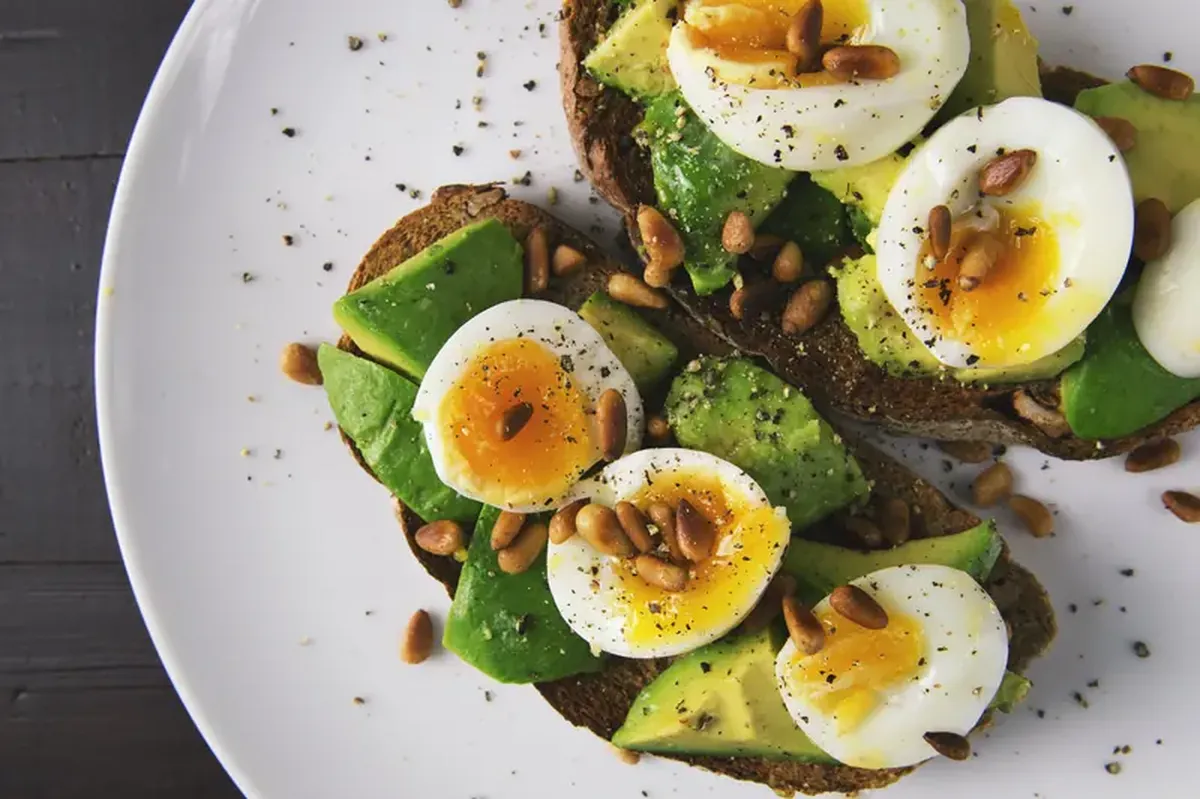
Nutritionists recommend cooking methods that preserve nutrients while minimizing risk. Because of the risk of salmonella, consuming raw eggs is not advisable. If you like runny yolks, choose soft-boiled or poached eggs. These methods keep the yolk slightly runny while reducing the risk of infection. Slightly undercooked yolks can also retain more beneficial nutrients and fats than fully hard-boiled yolks.
Doctors consider soft-boiled eggs, “in a bag,” or poached eggs among the healthiest options. Denatured protein is easier to digest, and gentle cooking minimizes thermal damage to amino acids. Hard-boiled eggs also have advantages: they are lower in calories and have a higher proportion of firm protein compared with scrambled eggs. Hard-boiled eggs retain many valuable components, while scrambled eggs can contain more incorporated fat.
Eggs — Every Day
Eggs are included in the WHO’s list of dietary foods for children. Eggs are allowed for infants under one year old: start complementary feeding with a quarter of a yolk, given beginning at about 7 months. By 9–12 months, increase the portion to half a yolk. Children over one year old can have no more than two eggs per week, while children over five years old may eat one to two eggs per day.
There is no single international standard for daily egg intake. In some countries the recommended annual consumption for an adult is about 260 eggs; in others the recommendation is one egg per day (in China, the annual norm is often cited as 365 eggs).
How many eggs a person can eat depends on health status, age, overall diet, and cooking method. Many doctors see no problem with consuming one to two eggs per day. Nutritionists say healthy adults can safely eat three eggs per day, while athletes may include five to six eggs daily. If a person has no intolerance to chicken or other eggs, they can eat eggs daily and only need to limit intake after age 65. For older adults, doctors often recommend no more than three eggs per week, preferably soft-boiled or as part of an omelet.

Choosing and Storing Eggs
When selecting eggs, focus on category rather than shell color, which depends on the hen’s breed. Eggs are divided into table and dietary categories, marked with the letters “C” and “D,” respectively. The difference is freshness: dietary eggs are the freshest, while table eggs are classified as such seven days after being laid. Table eggs can be sold for up to 25 days, while dietary eggs are best consumed within the first week. There is also a weight classification: third-category eggs start at 35 grams, second-category at 45 grams, first-category at 55 grams, selected at 65 grams, and higher at 75 grams.
Before purchasing, make sure eggs are clean and shells are intact. Open the carton and check the contents. Experts recommend storing eggs in their original packaging. Eggs can be stored without quality loss at temperatures from 0 to 20°C for up to three weeks. Store-bought eggs without visible dirt can go directly into the refrigerator egg tray without cleaning. The eggshell has a thin natural coating, which manufacturers typically leave intact after preliminary cleaning. Home-laid eggs should not be refrigerated until they are cleaned, because a cold shell can contract and allow surface dirt to enter the pores. Residues of chicken droppings can pose a risk of acute gastrointestinal infection. If you buy dirty eggs, clean them with a brush or fine sandpaper.
Should you wash eggs? Do not wash eggs right after purchase before placing them in the refrigerator. Do not wash eggs with water if you plan to store them for some time: water softens the porous shell and increases the risk of salmonella entering. Salmonella can multiply in the yolk even when eggs are stored in the refrigerator for over a month, creating a risk of salmonellosis. Wash eggs just before cooking. Check egg freshness by submerging them in water before preparation: fresh eggs sink and stay on the bottom, spoiled eggs float, and eggs that begin to rise should be consumed first. After handling eggs, wash your hands and kitchen utensils with soap.

How to Cook Eggs?
Chefs recommend immersing eggs in boiling water to avoid overcooking and to achieve a soft yolk without a “rubbery” texture. To prevent the shell from cracking, don’t place cold eggs directly into boiling water; let them warm to room temperature first. Add salt to the water (1 teaspoon per liter) to help keep the white from leaking out, but since salted water takes longer to boil, skip the salt when making soft eggs. Once the water reaches a boil, reduce the heat so the eggs don’t bang against each other and the pot. Depending on the desired consistency, boil eggs for 2–15 minutes.

Soft-Boiled Egg
To cook an egg with a runny yolk and soft white, immerse the raw egg in boiling water for 2 minutes. This will keep most parts of the egg liquid. If you boil the egg for 3 minutes, the yolk will be runny and the white almost firm. Warning: if the egg shows any signs of contamination, it is safer to boil it hard.
Poached Egg
To achieve a firm white and a runny yolk inside, cook the egg for 4–5 minutes from the moment the water starts boiling.
Hard-Boiled Egg
For a hard yolk and firm white, boil the eggs for 8–10 minutes from the moment the water starts boiling, or for 10–12 minutes if starting in cold water. Check doneness by spinning the egg on a table: a steady spin means the egg is hard-boiled, while a wobble suggests the egg is raw or undercooked.
For Quail Eggs
The same boiling principles apply to small eggs, with shorter cooking times. Soft-boiled quail eggs take about 2 minutes, “in a bag” about 3 minutes, and hard-boiled about 3.5 minutes.

To make peeling easier, immediately place boiled eggs in cold water for 10 minutes. This also helps prevent the green ring around the yolk. The shell is easiest to remove from eggs that are three to five days old. Eat eggs and dishes made with them shortly after preparation — this includes salads, stuffed eggs, and egg-filled pies. In the refrigerator, hard-boiled eggs are best stored in their shells, which protect them from bacteria and odors. Peeled hard-boiled eggs can be stored in an airtight container with a paper towel to absorb excess moisture. Cooked eggs will keep in the refrigerator for up to 7 days.
