

A study in Science Advances found that deep sighs help restore the fluid that coats the lungs — pulmonary surfactants.
This refers to a group of phospholipids and proteins on the outer surface of the lungs that act like a lubricant, reducing surface tension during breathing. They are critically important for health. More than half of infants born before 28 weeks’ gestation experience a deficiency of surfactant, which can cause some alveoli in the lungs to collapse.
In the late 1980s, researchers discovered that this often-fatal condition could be alleviated by extracting surfactants from animal lungs and administering them to premature infants’ lungs.
“This has a very positive effect on newborns. The fluid covers the entire surface of the lungs, making them more compliant,” said lead author Jan Vermant of the Swiss Federal Institute of Technology Zurich.
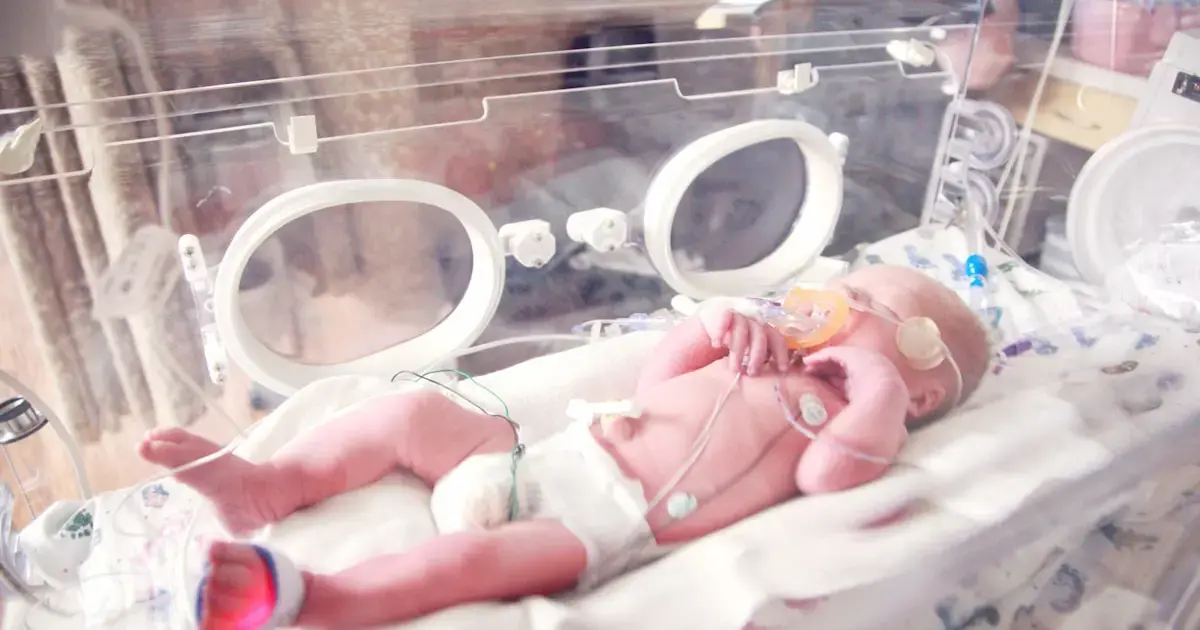
He also cited an example involving about 3,000 adults who developed acute respiratory distress syndrome. In those cases, the surfactant-transplantation procedure used for premature infants did not yield results.
“This indicates that it’s not just about reducing surface tension,” Vermant explained. “We believe that mechanical stress within the fluid also plays an important role.”
What did the new study reveal?
During the study, the team modeled normal and deep breathing in the lab and then measured the surface tension of pulmonary surfactants.
The researchers found that surface tension in the lungs significantly decreased after especially deep inhalations. That may explain the physical relief that often accompanies a deep sigh, as reported by Popular Science.
The team also said this effect is related to the fact that pulmonary surfactants are not a single layer of fluid but multiple layers. “Directly at the air interface is a somewhat stiffer surface layer. Below it are several softer layers,” said study co-author Maria Novaes-Silva.
These layers function best when they are balanced with one another. But sometimes that balance is disrupted. When balance is disrupted, the best way to restore function is a deep breath. A deep breath forces the surfactant layers to stretch and compress, which helps restore the outer layer.
Vermant’s team hopes this discovery will help develop new treatments for adult lung failure. One potential approach could be creating artificial surfactants.
Photo: Unsplash
