
 Gaby
GabyThe next time you uncork a bottle of wine, raise a glass to the dinosaurs — at least in spirit.

In a new study, researchers from the Field Museum of Natural History in Chicago suggested that the extinction of the dinosaurs, caused by the impact of a massive asteroid, helped grapes spread. About 66 million years ago, the Chicxulub asteroid, larger than Mount Everest, struck Earth and wiped out three-quarters of all life on the planet, including the dinosaurs. As a result, populations of small mammals and certain birds increased, and grapevines began to flourish.
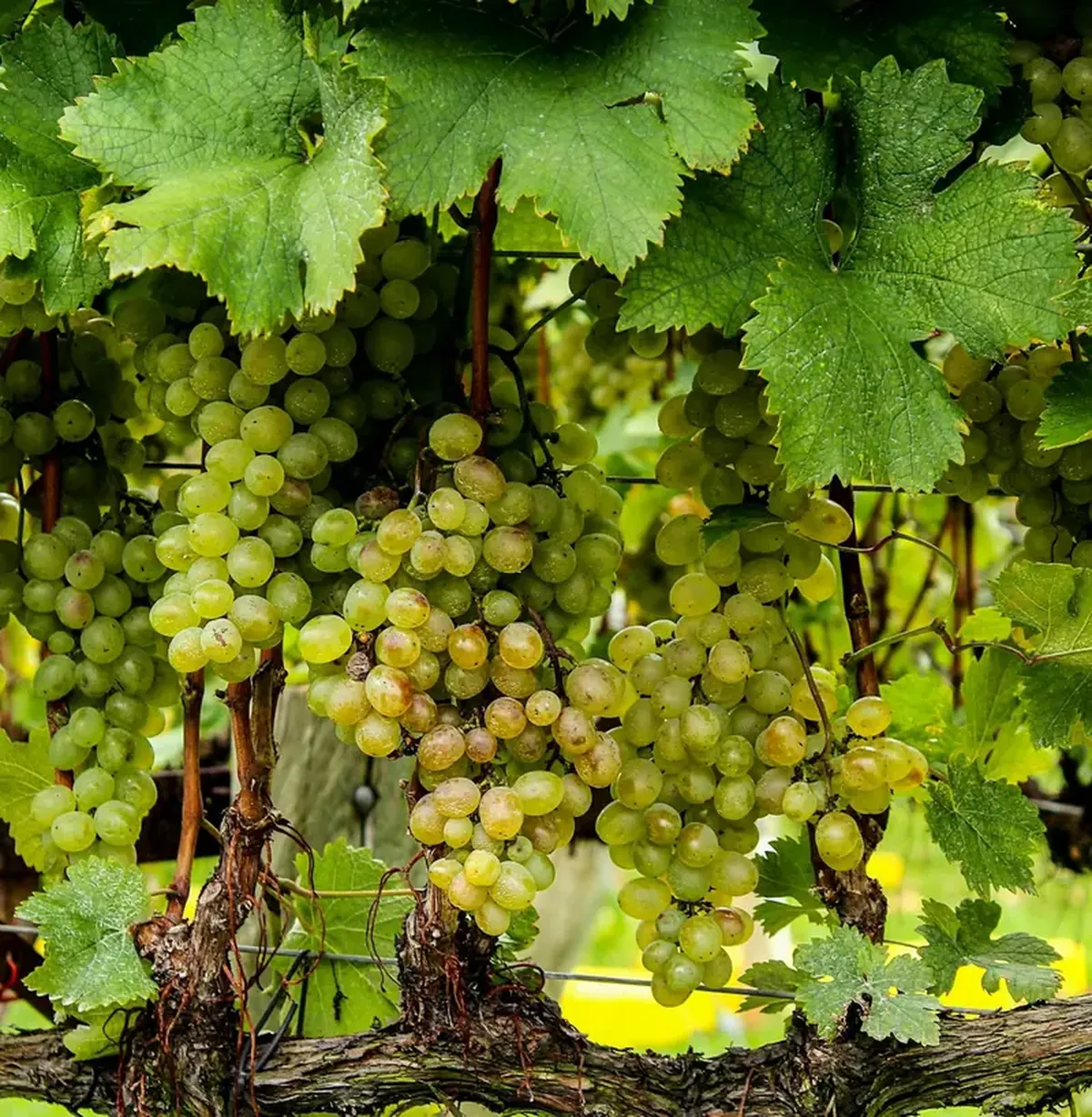
The team discovered fossilized grape seeds in Colombia, Panama, and Peru, dating to between 60 and 19 million years ago. They paid special attention to seeds belonging to the oldest species of the grape family in the Western Hemisphere, as reported by the Daily Mail.

The seeds also helped scientists understand how the grape family evolved. Fabiani Herrera, the lead author of the study, said, “These are the oldest grape varieties ever found in this part of the world, and they are several million years younger than the oldest varieties found on the other side of the planet.”
The researchers pointed out that grapes first appear in the fossil record around the time the Chicxulub asteroid hit Earth. They suggested the catastrophe may have transformed forest ecosystems, since the giant animals (the dinosaurs) likely toppled tall trees as they moved. Without dinosaurs, forests became lusher, which encouraged climbing plants like grapevines. The researchers also believe the diversification of birds and mammals after the mass extinction may have helped spread grapes. “We always think about animals, especially dinosaurs, because they suffered the most, but the extinction also affected plants,” Herrera said. He added that the forest recovered and its plant composition changed. The results were published in the journal Nature Plants.
