
 Gaby
Gaby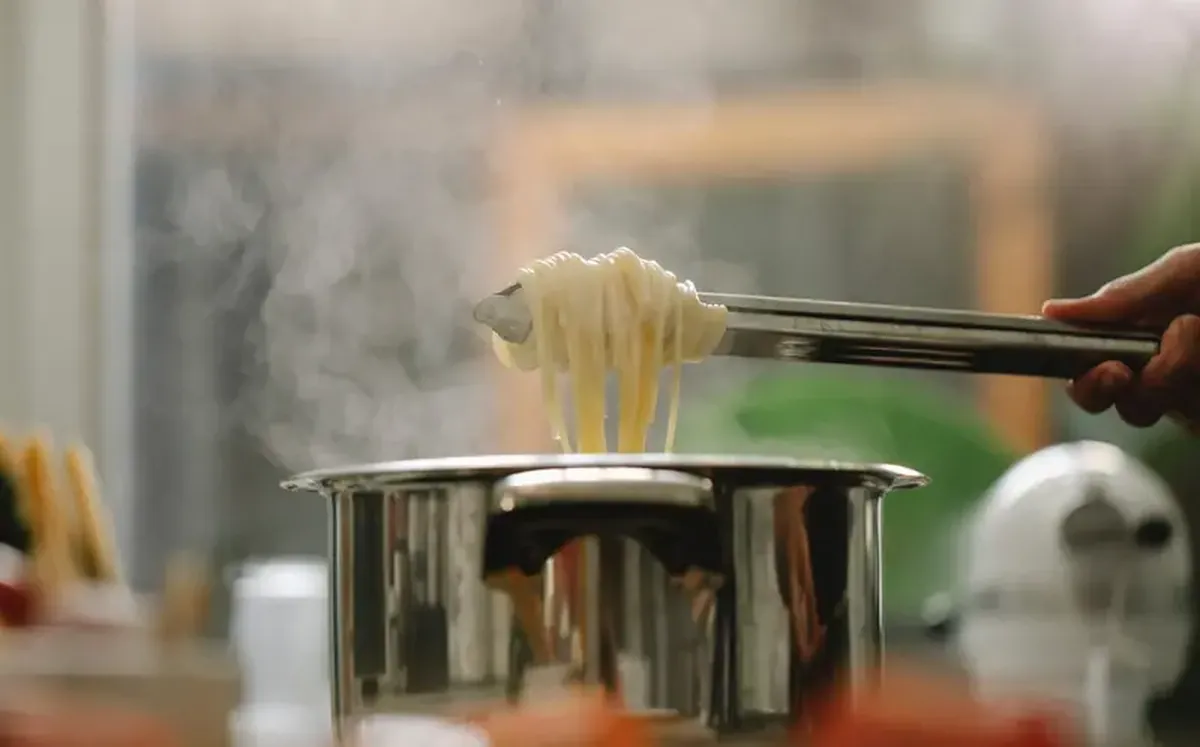
A team of researchers at the University of South Carolina found something unexpected: salting pasta water with iodized salt can create harmful chemicals. The discovery challenges the common habit of adding salt to boiling water — but only when the salt is iodized.
Lately, iodized salt has become popular among chefs focused on healthier cooking because it helps prevent iodine deficiency. But iodized salt can react with chlorine-based disinfectants in tap water to form toxic compounds.
These harmful substances, called iodinated disinfection byproducts (DBPs), have been linked to cancer, liver damage, and problems in the nervous system.
Scientific Experiments at Home
The researchers analyzed the chemical composition of tap water and identified which disinfectants produce toxins when combined with iodized salt.
Previous studies showed that heating wheat flour in chlorinated tap water that contained iodized salt could produce DBPs.
But scientists had not tested those findings in real home-cooking situations using actual food products.
So lead researcher Susan Richardson and her colleagues set up experiments in home kitchens to see how cooks might reduce disinfection byproduct formation.
The researchers shared their recommendations after cooking pasta in tap water that contained chloramine and iodized salt.
The scientists followed package instructions: they filled a pot with water, added salt, and dropped in the pasta once the water boiled.
By changing the cooking conditions, the team measured levels of six iodinated trihalomethanes—potentially toxic compounds—in both the water and the finished pasta. Every experiment detected these compounds, but concentrations varied widely depending on the cooking conditions.
Those differences let the researchers identify simple ways to reduce the amount of these compounds in the final dish.
How to Cook Pasta and Live Long
The researchers offered simple recommendations to reduce toxins in pasta.
Boil the water without a lid. A lid traps chlorinated and iodinated compounds in the pot; leaving the pot uncovered allows those compounds to escape as gases.
Drain all the cooking water after the pasta cooks to remove as many harmful substances as possible.
Add iodized salt only after the pasta is cooked to reduce the chance of forming toxic byproducts.
Add non-iodized salt to the boiling water if you want to salt it, the Daily Mail reported.
