
 Carlos Solis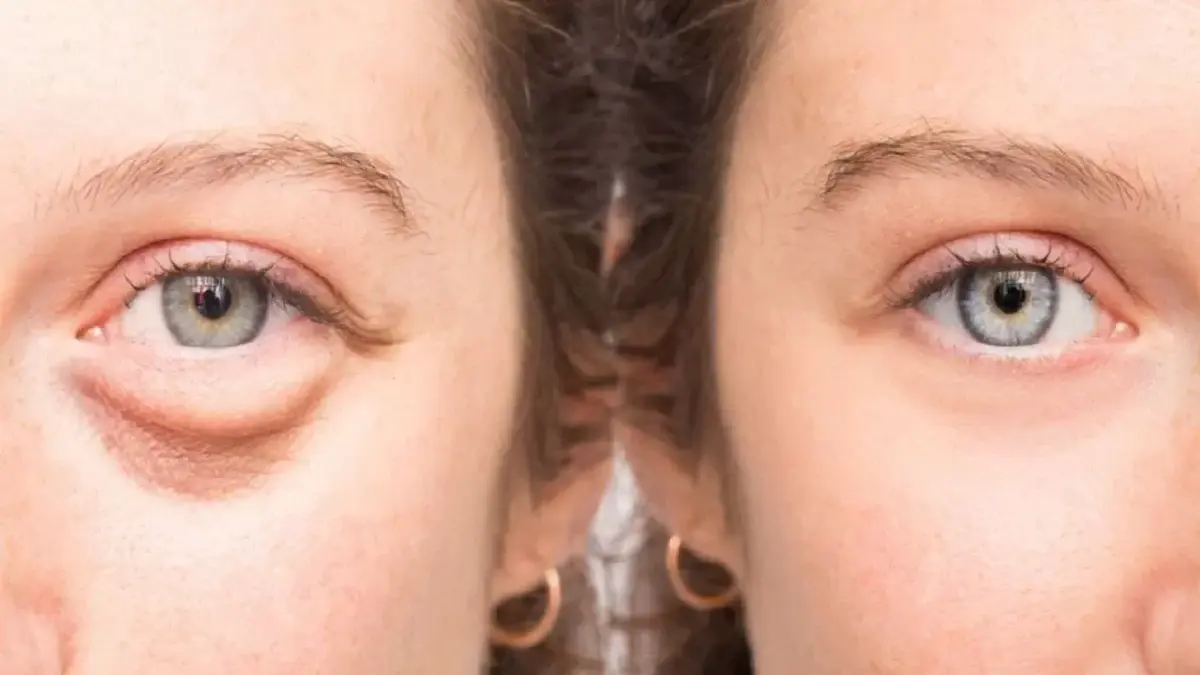
Doctors say swelling in the face and legs at this time of year comes from high temperatures that make blood vessels expand and become more permeable, allowing fluid to leak into surrounding tissues. Excessive heat also disrupts normal lymphatic function, and the lymphatic system is responsible for draining fluid from tissues and returning it to the bloodstream. As a result, you may wake up swollen after a hot night. Swelling that comes from irregular changes in blood vessels is often linked to dietary habits. Fortunately, the remedy for swelling can often be found in food.
Which Foods Cause Water Retention
The primary culprit behind excess fluid accumulation in tissues is salty food eaten at night. Chemically, table salt is sodium chloride (NaCl). When sodium binds with water in the body, it helps keep fluid balance inside and outside cells. But higher sodium intake leads to greater fluid retention.
Even when meals aren’t heavily salted at the table, processed foods can trigger swelling because of their high salt content. Canned goods, baked products, and hard cheeses are common offenders. Relying on processed foods, which are the largest dietary source of sodium, is not advisable.
It’s also important to avoid refined carbohydrates. Their consumption causes spikes in insulin levels, and high insulin makes the body retain more sodium by increasing sodium reabsorption in the kidneys, which results in water retention. Examples of refined carbohydrates include white flour, sugar, pastries, sweet baked goods, sugary cereals, and soft drinks.
What Causes Swelling:
- salty dishes;
- spicy foods;
- fatty foods;
- fast food;
- sweets;
- dairy products;
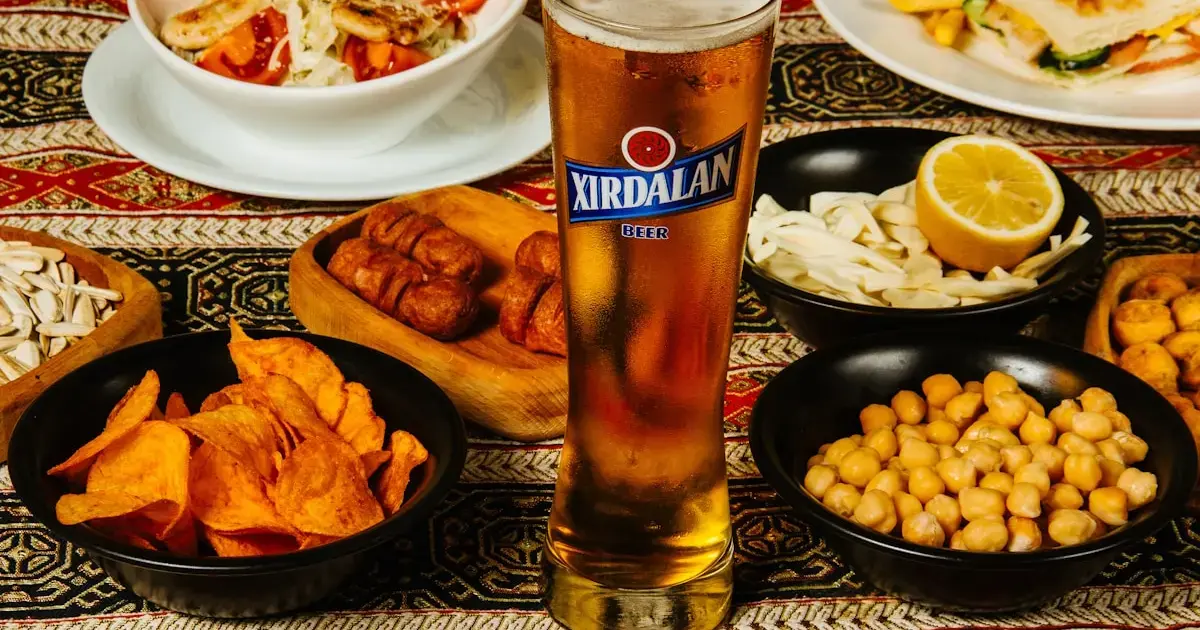
- alcohol.
To reduce swelling, remove these “enemies of beauty” from your diet or significantly limit their intake. If there are no other medical causes for the swelling, cutting out these foods will have a visible effect on your face and overall well-being — under-eye puffiness is just the most obvious sign of poor dietary habits. These habits can harm the whole body: not only the face, but limbs and even internal organs can swell.
Foods to Prevent Swelling
On the flip side, some foods help prevent puffiness. To avoid swelling, eat foods rich in vitamin B6, potassium, and magnesium.
Foods That Prevent Swelling:
- watermelons;
- melons;
- citrus fruits;
- legumes;
- dried fruits;
- potatoes;
- garlic;
- fresh herbs;
- green tea.
Simple life hacks can help tackle swelling, and many of them are easy to add to your routine.
Life Hack 1: Magnesium
Increase your magnesium intake to help reduce water retention. This essential mineral participates in more than 300 enzymatic reactions that regulate bodily functions.
Sources:
- leafy greens;
- whole grains;
- nuts;
- dark chocolate.
One study found that 200 mg of magnesium per day can relieve water retention in women who experience premenstrual syndrome symptoms.
Life Hack 2: Vitamin B6
Increase your vitamin B6 intake to help reduce water retention.
Sources:
- bananas;
- walnuts;
- potatoes;
- meat.
Life Hack 3: Potassium
Boost potassium intake. This mineral supports heart function, helps lower sodium levels, and increases urine production.
Sources:
- tomatoes;
- bananas;
- avocados.
Life Hack 4: Dandelion
Drink dandelion tea. This herb has long been used as a natural diuretic; its components can help increase the elimination of excess fluid from the body.
Life Hack 5: Water
Paradoxically, drinking more water can reduce water retention.
Cranberry juice can also help with swelling: its organic acids have a mild diuretic effect and may strengthen blood vessel walls, reducing their permeability. In addition, physical activity — even walking — is an effective way to prevent fluid accumulation in the body. Aim for at least 7 hours of sleep to reduce stress and support fluid balance.

Signs of Swelling
You can recognize water retention not only by visible swelling.
Symptoms of Water Retention:
- swelling in the face;
- swollen limbs;
- abdominal bloating;
- muscle pain;
- shortness of breath;
- sudden changes in mental state.
Swelling can be caused by temporary factors (hormonal changes, prolonged sitting, salty food) and by chronic health problems (lymphatic system disorders, allergic reactions, kidney or heart failure). Fluid retention is often triggered by high blood pressure, which increases the load on capillaries.
Causes of Swelling:
- blocked lymphatic channels;
- high or low blood pressure;
- certain medications;
- hormonal changes during menstruation and pregnancy;
- heat combined with exhaustion;
- sedentary lifestyle;
- allergic reactions to insect bites or food;
- consuming salty food at night.
If changes in diet and lifestyle do not reduce water retention, under-eye swelling may be a symptom of kidney disease or heart failure. Consult a doctor for a proper diagnosis, because the causes of swelling extend beyond the factors listed here.
Photo: Unsplash
