
 Gaby
Gaby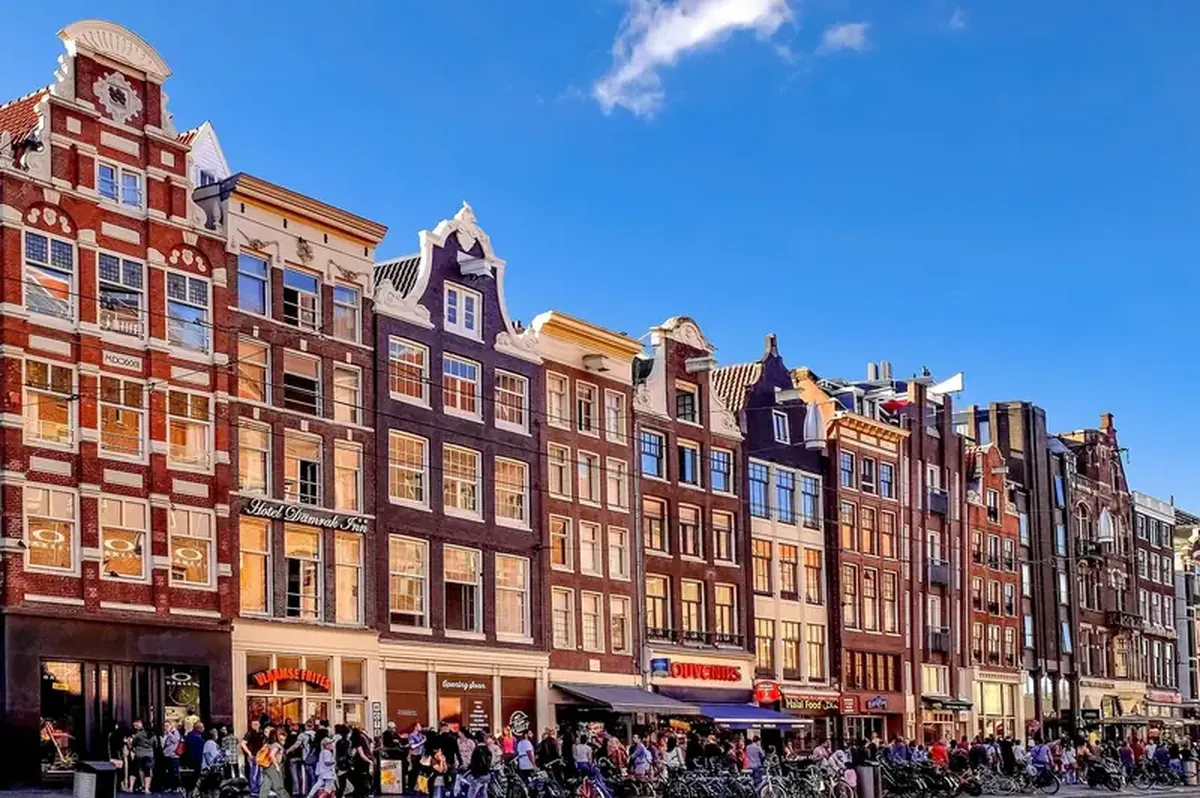
“I am Amsterdam!” is the official motto of the Dutch capital, boldly proclaiming the city’s uniqueness and independence. Known as the “Venice of the North,” Amsterdam is famous worldwide—its colorful, gingerbread-like houses along countless canals, the laid-back atmosphere of the Red Light District, and legalized cannabis are familiar even to people who’ve never visited. So instead of repeating what you probably already know, here are some lesser-known, intriguing facts about this remarkable city.
Moving Through the Window
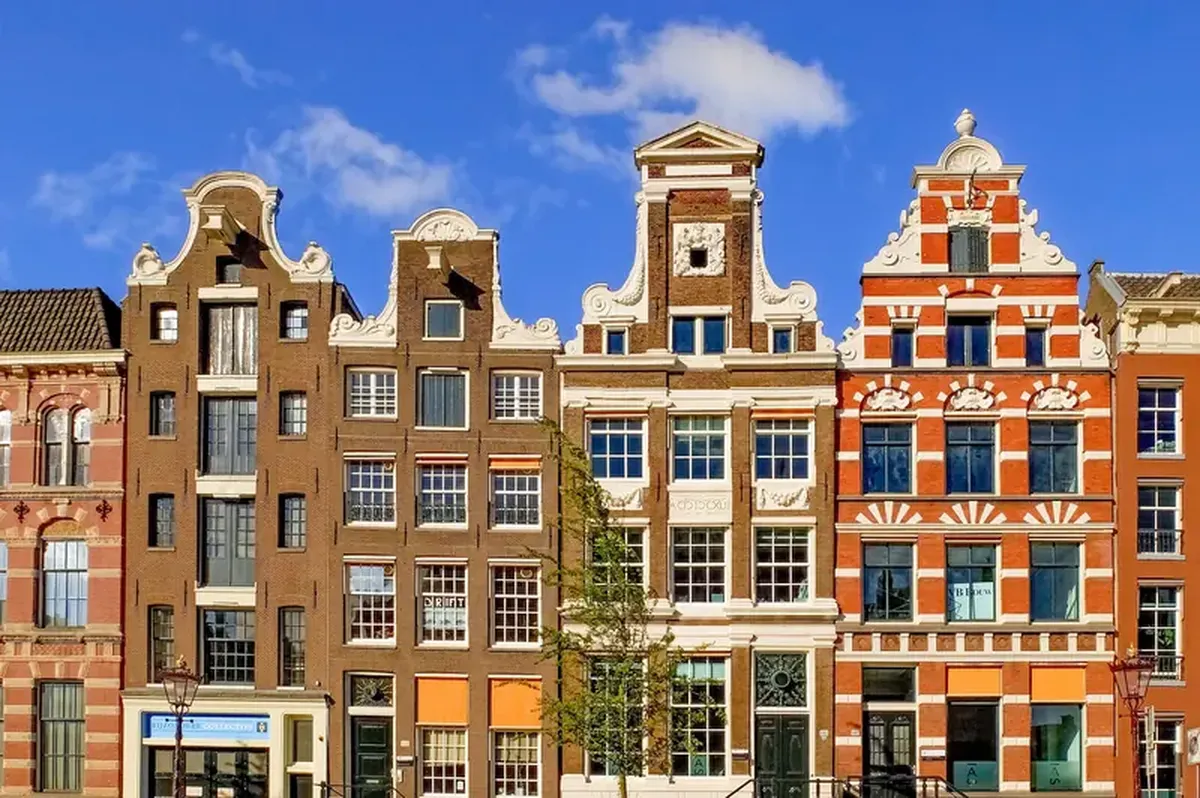
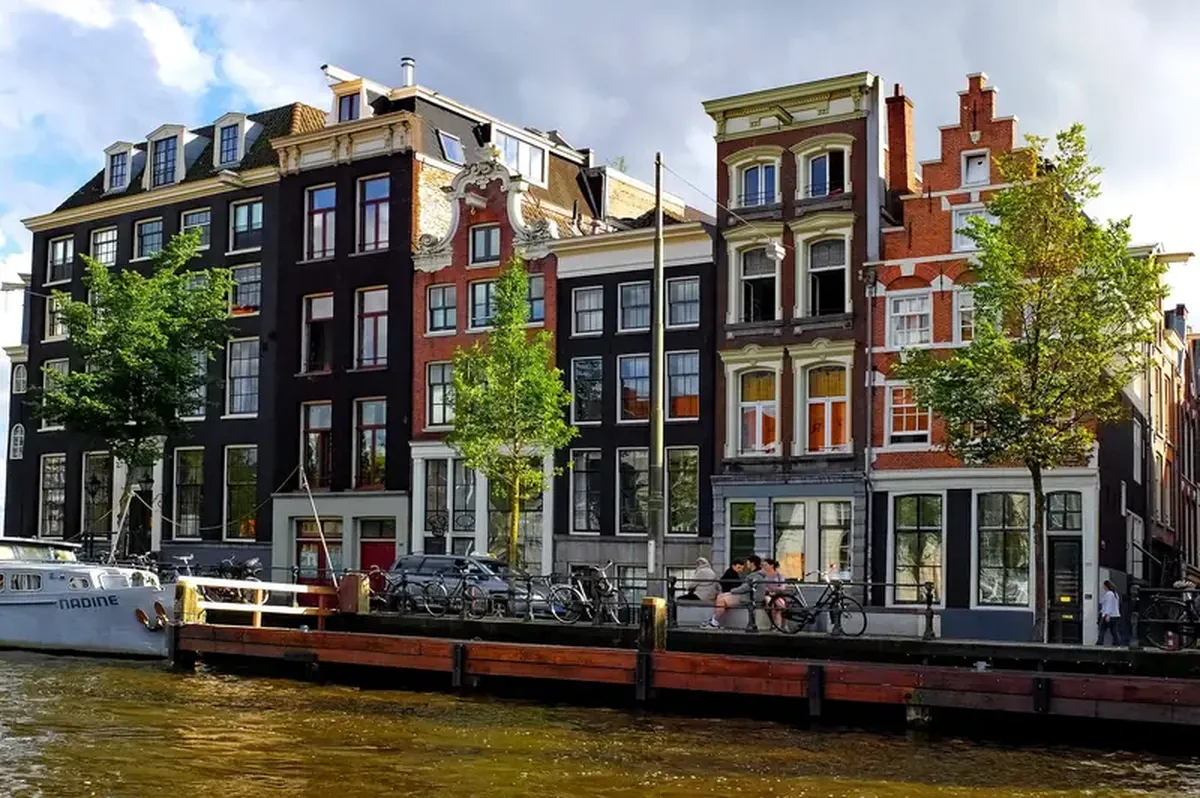
Visitors to Amsterdam often notice that the houses are very narrow. This wasn’t just a stylistic choice—it was about money. Most of these buildings were constructed in the 17th century, when property taxes were based on the width of the house. People bought narrow plots of land and built tall, slim homes.
The narrow doors and cramped staircases inside made it nearly impossible to carry in furniture. To solve the problem, builders put large windows and mounted sturdy beams at the tops of the houses. Residents would hoist furniture up with ropes and pull it through the windows into the rooms. Many tourists also notice the slight forward tilt of the buildings. People believe the tilt either made furniture delivery easier or developed over time from those hoisting maneuvers.
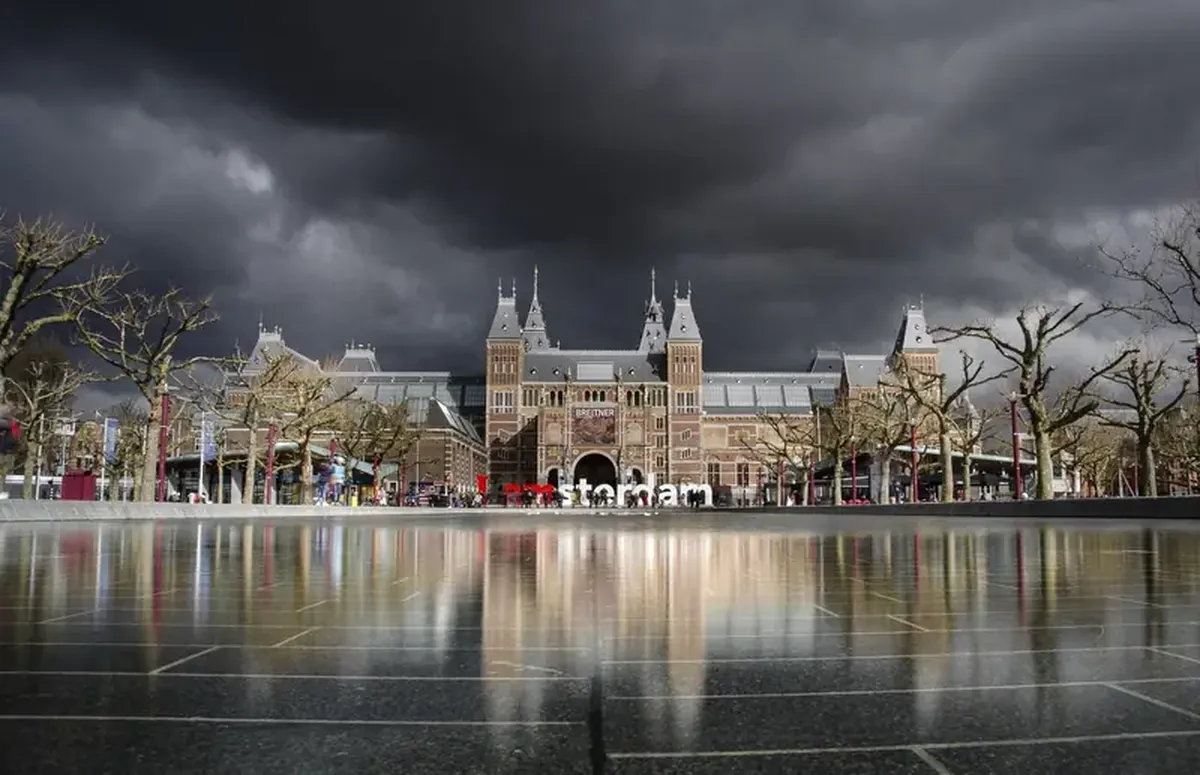
Amsterdam’s historic buildings have another unusual feature—they all stand on 20-meter wooden piles that support the structures and keep them from sinking into the marshy ground beneath the city. The Dutch government is working to replace many of those piles with concrete pillars, but it’s a difficult and expensive job. On average, each house uses about ten wooden supports; larger buildings like Central Station or the Royal Palace use many more. The Royal Palace, for example, is built on over 10,000 piles!
On Bikes—Everyone!
Statistics show that for every 850,000 residents there are 847,000 bicycles. That means almost everyone has access to a bike. Cycling has become a way of life in Amsterdam thanks to its extensive network of bike paths and routes.
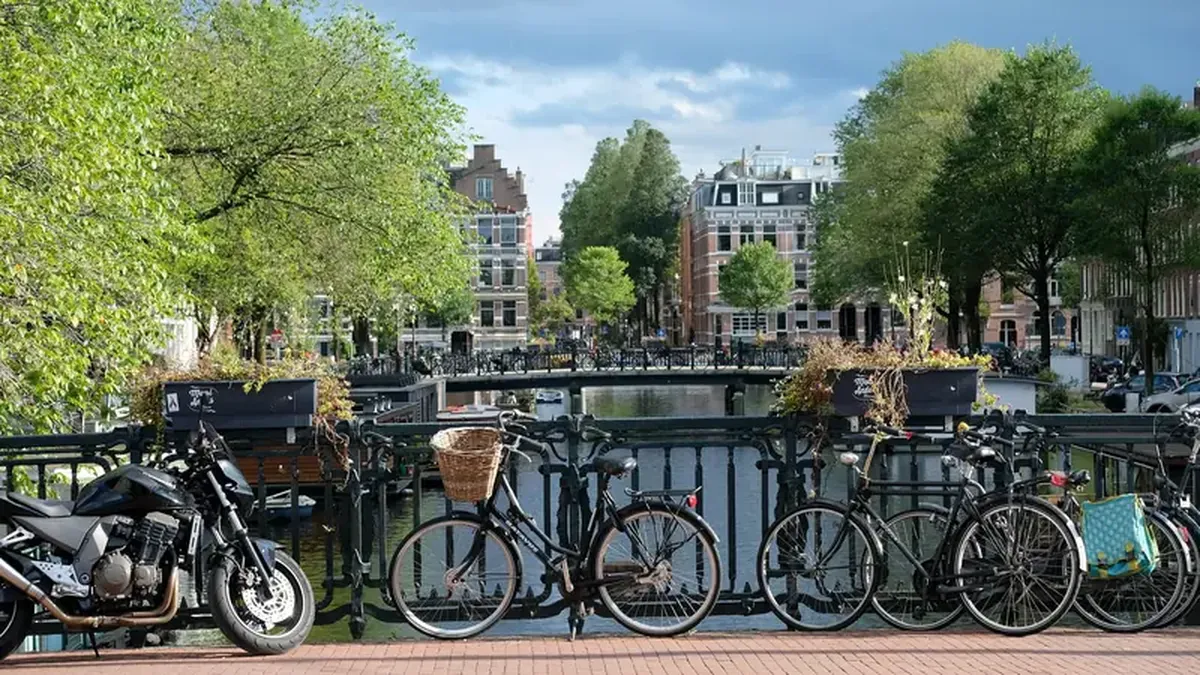
Of course, many European cities have good cycling infrastructure, but Amsterdam even has a bicycle mayor. In 2016, Anna Luten, a former marketing manager at Giant Bicycles, took on the role. She works to make Amsterdam—and other cities—more welcoming for people rather than cars.
Dancing Outside the Law?
Alongside the bicycle mayor, Amsterdam also has an unusual official position called the nightlife mayor — a person charged with promoting and ensuring the safety of nightclubs, bars, and restaurants. It’s surprising, since as recently as the early 20th century dancing was banned in the city. The laws at the time labeled dancing immoral and dangerous. The only “allowed” form of dance was ballet, and only the nobility were permitted to attend performances. Ballerinas were often expected to entertain guests after shows. The ban on dancing was lifted in 1924. Nearly a century later, Amsterdam is one of the freest cities in the world.
Did You Know…
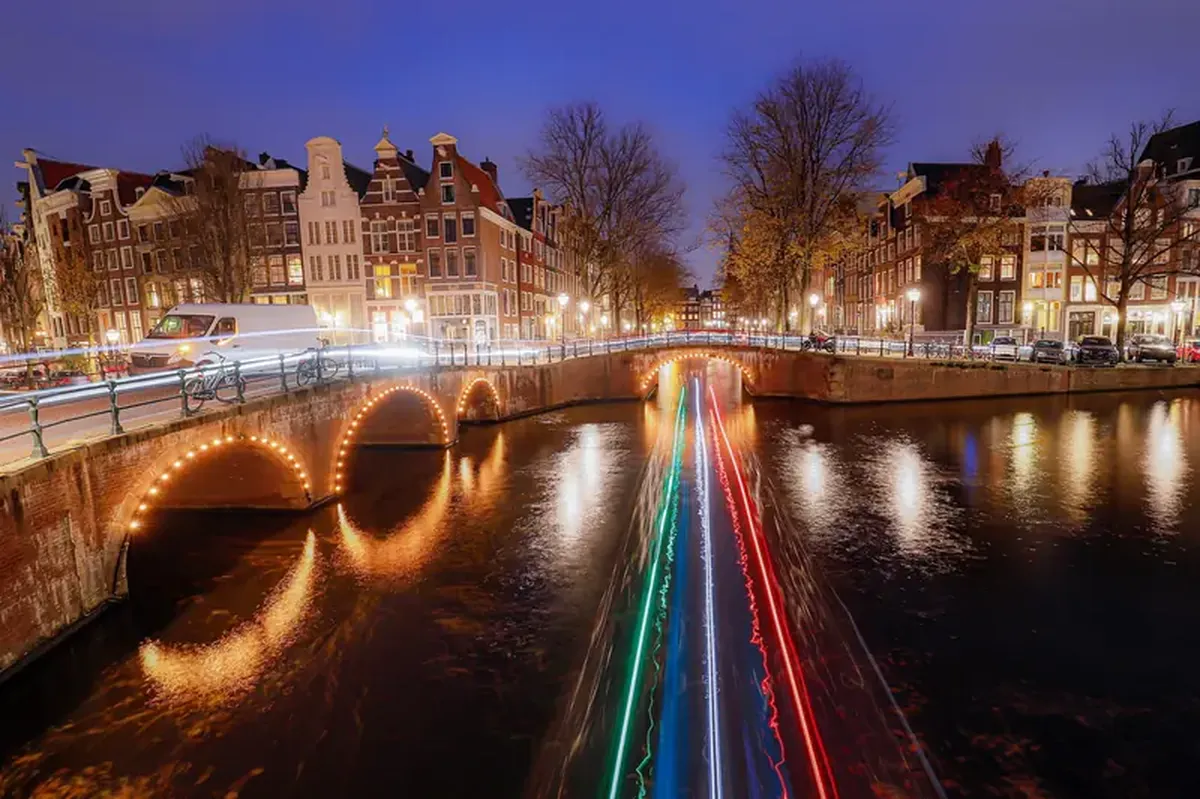
- Amsterdam is crisscrossed by over 165 canals stretching 150 kilometers, with more than 1,000 bridges connecting them.
- People from Amsterdam are among the tallest in the world, averaging about 1.8 meters in height.
- The main airport in Amsterdam may one day sit below water. The lowest point of Schiphol Airport is three meters below sea level, so rising ocean levels could eventually turn the airport into a seaport.
- Despite being the capital of the Netherlands, most national government institutions, including the Supreme Court, are located in The Hague.
- Amsterdam is extremely multicultural, home to people from 178 different cultures. Over 85% of the city’s population speaks more than one language, and many residents speak three.
- Amsterdam ranks among the safest cities in the world. Given its immigrant population and the legal status of soft drugs, that might surprise some people, but the city scores highly for infrastructure safety and personal security thanks to declining crime rates and relatively few traffic accidents.
