
 Carlos Solis
 Many people think sugar spikes only come from chocolate, pastries, or soda. But several everyday foods can trigger even bigger jumps in blood glucose. So if you’ve ever asked, “Why do I crash after lunch?”, the culprit may be your regular meal — not dessert.
1. White bread, white rice, refined pasta
It seems harmless: a breakfast of toast or a lunch with pasta. But these refined carbohydrates break down into glucose rapidly. As soon as you swallow a piece of white bread, your body starts releasing insulin to keep blood sugar levels in check. That can lead to fatigue, drowsiness, or a sudden hunger pang an hour after eating.
These foods have a high glycemic index—they convert to sugar quickly. To avoid this, swap white bread and pasta for whole-grain alternatives and replace white rice with brown rice.

2. Potatoes: the vegetable hiding dangerous starch
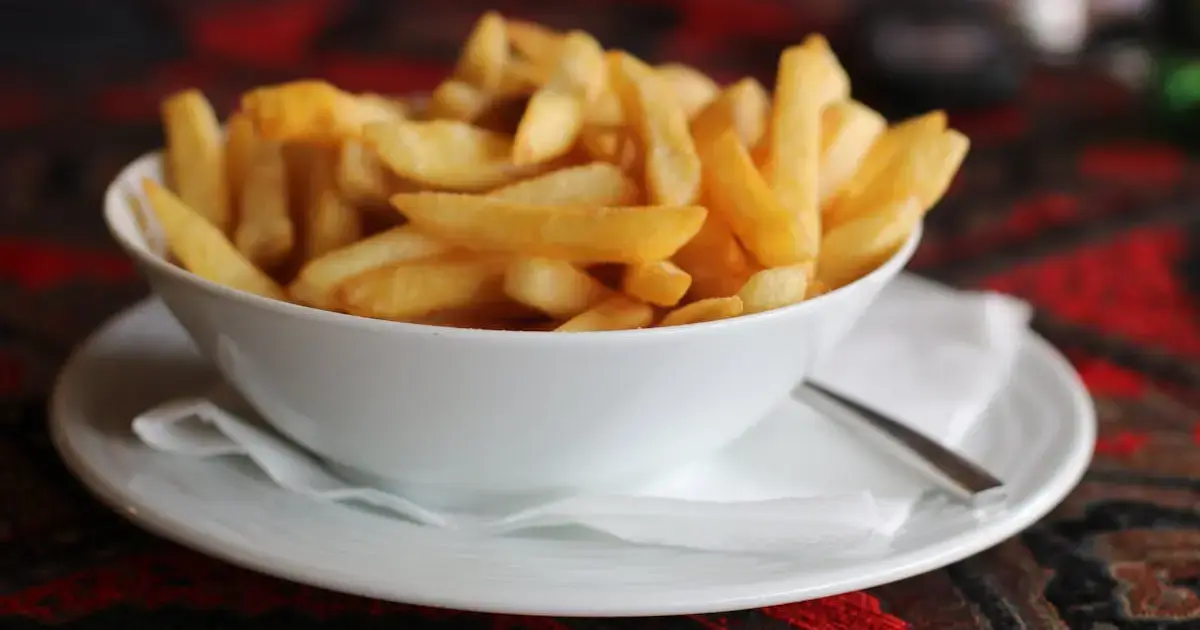
Potatoes are another culprit behind unexpected blood sugar spikes. Whether boiled, fried, or mashed, they contain a lot of starch, which the body quickly converts into glucose. Imagine this: a large serving of French fries can raise your blood sugar more than a sweet dessert!
The cooking method matters: fried or mashed potatoes raise blood sugar faster than a baked whole potato with the skin on. Adding protein or fat, such as a serving of yogurt, slows this process down.
3. Beverages and products with hidden sugars
Smoothies, flavored yogurts, and ready-made bars marketed as “protein” often seem harmless, but they can contain hidden sugars or fast-acting carbohydrates that the body absorbs quickly. For instance, a glass of fruit juice without fiber can spike your blood sugar more than a slice of cake.
Check labels and watch for “added sugar” or “low-fat” claims that mask sweetness. Even “light” yogurt can contain more sugar than you expect.

4. Dried fruits and quick snacks
Dried fruits concentrate natural sugars, and large portions can cause a rapid spike in glucose. Like bars or snacks with added sugar, they may look healthy, but the body reacts to them the same way it reacts to dessert.
So the answer to “Do dried fruits raise blood sugar?” is yes if you eat them in large quantities or without protein or fat to slow absorption.

How to avoid sudden blood sugar spikes
- Replace refined grain products with whole grains: brown rice and whole-grain pasta slow down sugar absorption.
- Add protein and healthy fats to meals; they slow carbohydrate absorption.
- Check labels for hidden sugars, even on “healthy” products.
- Limit portion sizes; even healthy foods can trigger a sugar spike in large amounts.
A sudden rise in blood sugar isn’t always about desserts. White bread, potatoes, fruit juices, and dried fruits can be sneaky culprits. This knowledge can help you manage blood glucose levels and avoid unpleasant surprises after lunch.
Photo: pexels.com
