
 Gaby
Gaby
Early rising is often touted as a secret to success in interviews with Olympians, top entrepreneurs, and millionaires. So it’s no wonder the idea of shifting your daily rhythm has captured public attention. Waking up at 5 a.m. has become a symbol of robust health and high achievement—even for people who prefer to lounge in bed or can afford to set alarms for after 7 a.m.
True “Larks” Are Rare, While “Owls” Risk Their Health
Experts note that only about 5–10% of people are true “larks”—those who go to bed early and wake early. Most people prefer to sleep and wake up later.
The bad news is that “owls”—those who go to bed late and wake up late—may face a long-term health disadvantage. A recent study found that this group may have a 19% higher risk of developing type 2 diabetes compared with early risers.
Researchers tracked the health of nearly 64,000 middle-aged female nurses for eight years. They found that women who identified as “owls” had a 54% higher likelihood of living an unhealthy lifestyle, including smoking, sleep deprivation, and low physical activity. The good news is that you can “retrain” your sleep pattern toward a healthier schedule.
 Each of us has a “chronotype,” our preference for sleep and wake times. Chronotype is largely genetic but can shift over time because of hormones. Human chronotypes fall on a spectrum from larks to owls, with many people sitting in the middle as “doves.”
Daily Rhythms Can Be Flexible
Russell Foster, a professor of circadian neuroscience and director of the Sleep and Circadian Neuroscience Institute at Oxford University, explains that our internal clocks, deep in the brain, run on about a 24-hour cycle. That timing is only approximate: the clock can tick slightly faster or slower depending on the person, driven by variations in one or more clock genes.
This wide range of sleep–wake times is normal and was probably adaptive in early human societies. Foster says it would have helped tribes to have some people alert at different times of day.
But today, being an owl can be a burden. You can still change your chronotype within reasonable limits to better fit modern life. With a strict routine and commitment, some people see changes in just a few days.
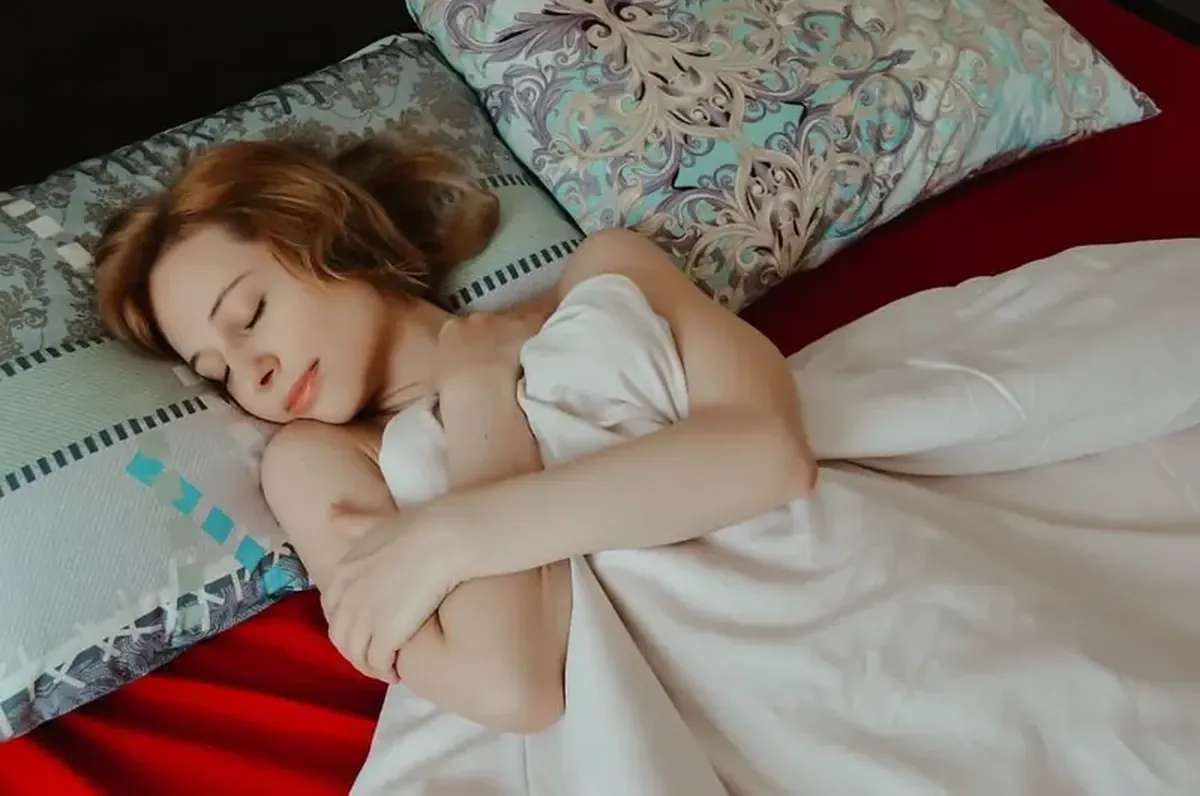 Our sleep–wake time has about two hours of built-in flexibility. So if you go to bed around midnight and wake at 8 a.m., you can realistically shift to going to bed by 10 p.m. and rising at 6 a.m.
Foster tells the Daily Mail that with the right daily routine and early light exposure, that degree of change is realistic. He adds that sleep is as fundamental as wakefulness. For many people, being more of a lark would be more convenient, but not at the expense of sleep duration.
What Influences Our Chronotype?
Before trying to change your chronotype, understand the factors that shape it. Foster says the first factor is your genes: small genetic differences can speed up or slow down the master clock. Second, chronotype changes over the life course, from childhood through old age.
Starting around age ten, people tend to go to bed later. Then, beginning in the 20s, there’s a gradual shift back toward morningness. By your 60s, you’re likely to go to bed and wake up at times similar to your teenage years.
That means the gap between ideal sleep and wake times averages about two hours. If you preferred late nights in your 20s, by 60 you may feel more natural going to bed around 10 p.m.
This shift is linked to hormonal changes around puberty. Foster explains that sex steroids—estrogen in women and testosterone in men—interact with the brain’s master clock. Lower levels of these hormones can make earlier rising easier and help the transition from owl to lark.
Light Is Crucial When Changing Chronotypes
Light is the third—and most important—factor when changing chronotype. Light helps keep the 24-hour biological clock on track by entering the eyes and signaling the brain through the retina.
Foster’s key point is that morning light pushes the clock earlier. So if you want to become a lark, go outside as soon as possible after dawn for at least 30 minutes. That exposure makes it easier to fall asleep earlier and wake earlier the next day. Evening light has the opposite effect.
 Simply sitting by a window won’t cut it, nor will just turning on indoor lights. Foster points out evidence that 30 minutes of exposure to about 10,000 lux can affect the brain. By contrast, average home lighting is roughly 100 lux, and office lighting may be around 400 lux.
Foster suggests using a light meter to check the lighting in your home and adding movement, since morning light and exercise can work together. There is evidence that the timing of physical activity can shift the clock, and morning exercise also supports metabolism.
A Dog Can Help You Become a Lark
Foster adds that data suggest dog owners tend to have better sleep and wake patterns. One theory is that having to get up early to walk a dog provides a reliable reason to be outside in the morning—a so-called “photon shower.”
 On gloomy days, light levels are low both outside and inside, so even a half-hour photon shower may not be enough, especially in winter.
For that reason, Foster recommends using a lightbox and having breakfast in front of it when natural light is weak. He also emphasizes that consistency is key: stick to a routine and the transition from owl to lark is much more likely to succeed.
