
 Gaby
Gaby
Have you ever wondered what people living at the foot of Kilimanjaro eat? Traditional diets there support the immune system and, in many ways, are healthier than typical Western diets.
Researchers from the Netherlands and Tanzania say numerous African communities have long followed diets rich in foods that support gut health and metabolic function. These diets include a variety of vegetables, grains, fruits, and fermented foods.
For years, scientists around the globe have studied the effects of switching to a Western diet, which is high in processed and calorie-dense foods. However, African populations have been underrepresented in those experiments, and the impact of everyday African diets on health has received little attention, as Science Alert reported.
“Previous studies have focused on traditional diets like Japanese or Mediterranean,” said Quirijn de Mast, the study’s lead researcher and an infectious disease specialist at Radboud University Medical Center in the Netherlands. “But traditional African diets offer valuable lessons too — especially now, as lifestyles in many African regions change rapidly and lifestyle-related diseases increase. The diversity of these diets gives unique opportunities to understand how food affects health.”
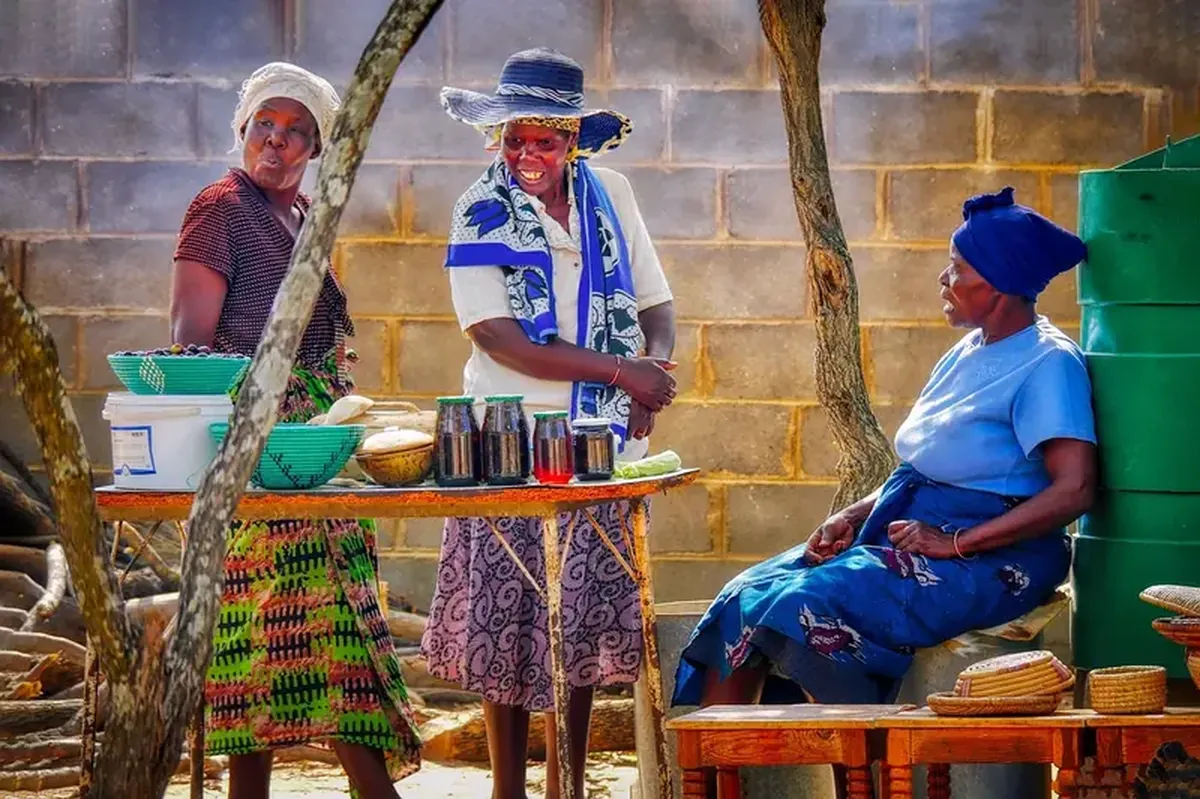
What Did the Researchers Discover?
The team investigated the health impacts of switching from the traditional diet common around Kilimanjaro to what Tanzanians consider a Western diet.
They recruited 77 healthy men from urban and rural areas of Northern Tanzania. Some typically ate Western foods; others favored local dishes like kiburu, a banana-and-bean soup.
The changes from this switch were swift and striking. Significant effects on immune and metabolic profiles were noticeable just weeks after replacing traditional foods — such as various porridges, okra, sour milk, and fermented grains — with a menu featuring sausages, white bread, jams, pancakes, ketchup, and potatoes.
During the study, researchers regularly collected blood samples from the participants for analysis. Those who switched from the Kilimanjaro kitchen to foods like bread and sausages showed higher levels of inflammatory proteins and markers of metabolic disturbance, along with a significant decrease in immune responses to several fungal and bacterial pathogens. Participants also gained a small amount of weight.
The effects were evident after just four weeks, indicating the changes were not only rapid but also persistent.
Why This Research Matters
Researchers say this work matters for the health of African populations. Western diets are spreading across the continent, supplementing or replacing traditional dishes that are typically made from healthier ingredients. Immigrants from African countries who move to Western communities also face challenges preserving their culinary traditions.
“Our research highlights the health benefits of traditional African foods,” the lead researcher said. “It also shows how harmful an unhealthy Western diet can be.”
The findings were published in the journal Nature Medicine.
