
 Gaby
Gaby
Researchers have long known that the Incas used a mysterious communication system known as khipu, based on intricate combinations of knots and strings. It was believed that this method fell out of use after the Spanish conquest in the 16th century. But British researchers have found four villages in the Peruvian Andes where the practice is still alive. Moreover, local residents have carefully preserved dozens of rope messages passed down from their ancestors.
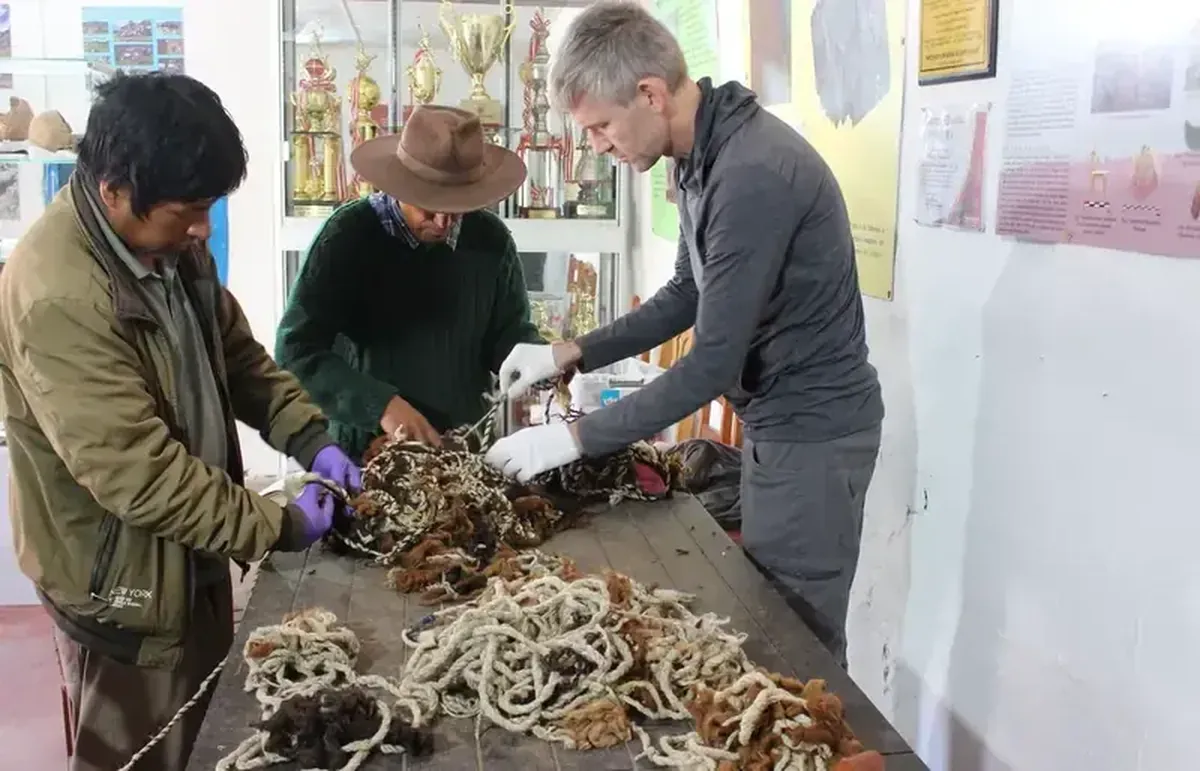
One centuries-old khipu from the village of Santa-Leonor-de-Jucul stretched an incredible 68 meters.
The first recorded mention of khipu (Quechua for “knot”) appeared in a letter by conquistador Hernando Pizarro in 1533. In 1923, American historian Leslie Leland Locke became the first to demonstrate that khipu was a form of ancient writing.
About Finances and More
Fortunately, this is not a completely lost form of Inca writing; it was a complex system of twists and knots made from alpaca or llama wool and cotton. One message could contain around two and a half thousand knotted suspensions.
Professor Sabina Highland from the University of St. Andrews, who led the research, told IFLScience: “Inca khipu is what we would call a proto-writing system. You have a horizontal cord with suspensions hanging down, and on those suspensions are knots, most of which represent numbers in a decimal system.”
Before the arrival of the conquistadors, Inca communities in the Andean highlands exchanged information about key events and financial matters using cords and strings. Until now, samples of khipu had mostly resisted deciphering. However, the research team led by Professor Highland has shed new light on this ancient writing system. Highland said some messages contained data about climate change.
Highland says the Incas created a sort of climate chronicle. They sought to understand patterns by looking back at previously recorded information about past climate changes, much like we do today.
What Else Did the Researchers Discover?
The team worked in four remote Andean villages where khipu traditions are still alive. The researchers were particularly drawn to the 68-meter khipu sample, recognized as the longest of all known knotted “records” in existence.
According to Professor Highland, what makes this communication artifact unique is that it has no knots. Instead, it uses tassels.
In addition to these, the team found ritual items within the unusual message, such as pouches containing coca leaves and cigarettes. The research leader concluded that this khipu was likely used to record ceremonial offerings, with different items indicating the location of the ritual.
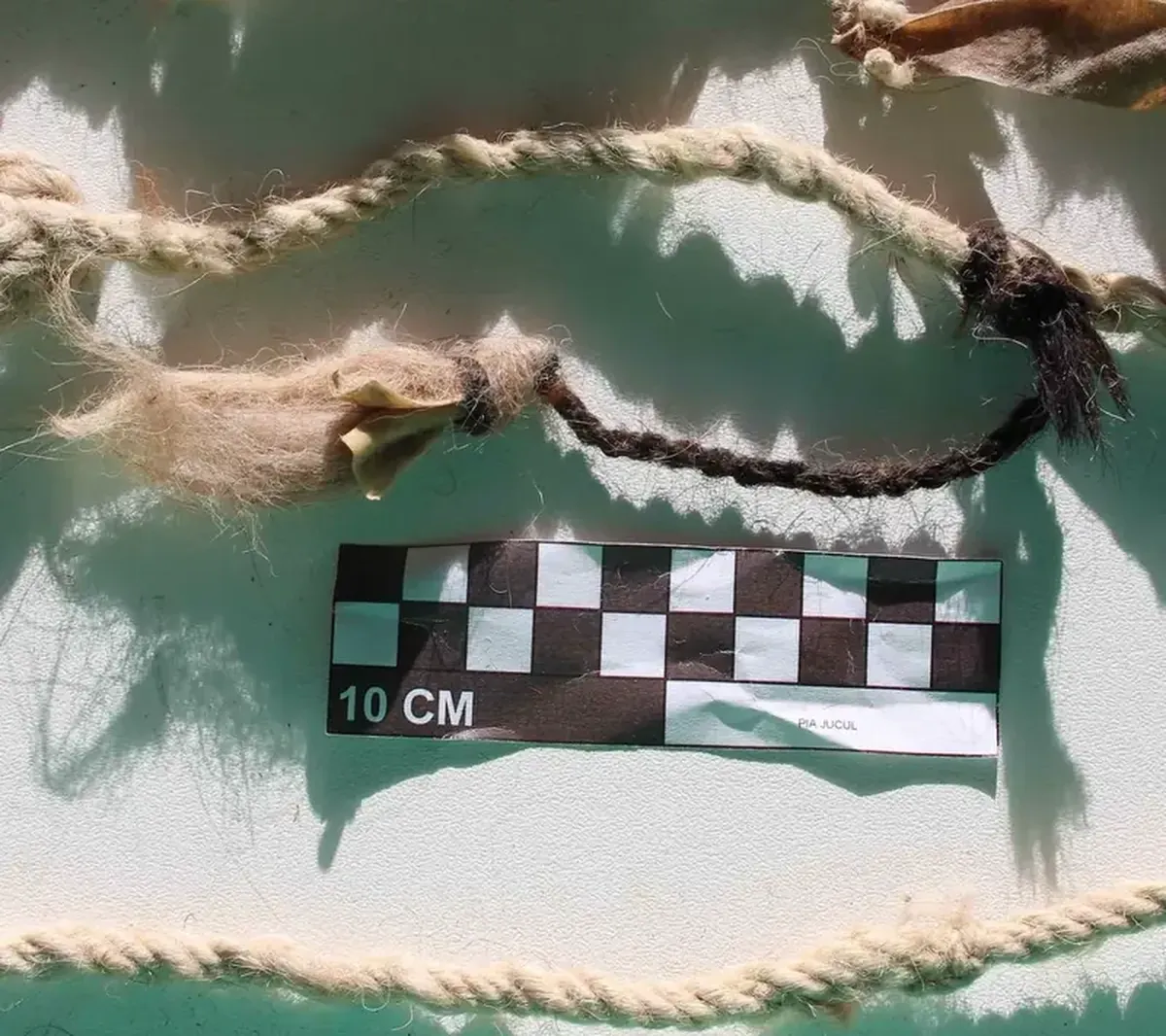
For example, tassels made from llama tails could signify offerings to the sacred high-altitude lake Pachcha-cocha, which indigenous people prayed to for rain. Many of the offerings recorded on the cord indicate that the year was dry. “And if you look at another cord and see no offerings to Pachcha-cocha, you might think, ‘Oh, they could be facing a flood,'” added Professor Highland.
“I was also told that when you go to very, very high mountains, you take a llama tail with you because it protects you from evil spirits that want to push you off the mountain,” she added.
Currently, Highland’s team is trying to get precise radiocarbon dates for the ancient bundles that have come to the attention of scientists. Highland says that will allow them to build a chronological record of past events and to “gain an incredible overview of climate data from this region preserved by indigenous peoples.”
