
 Gaby
Gaby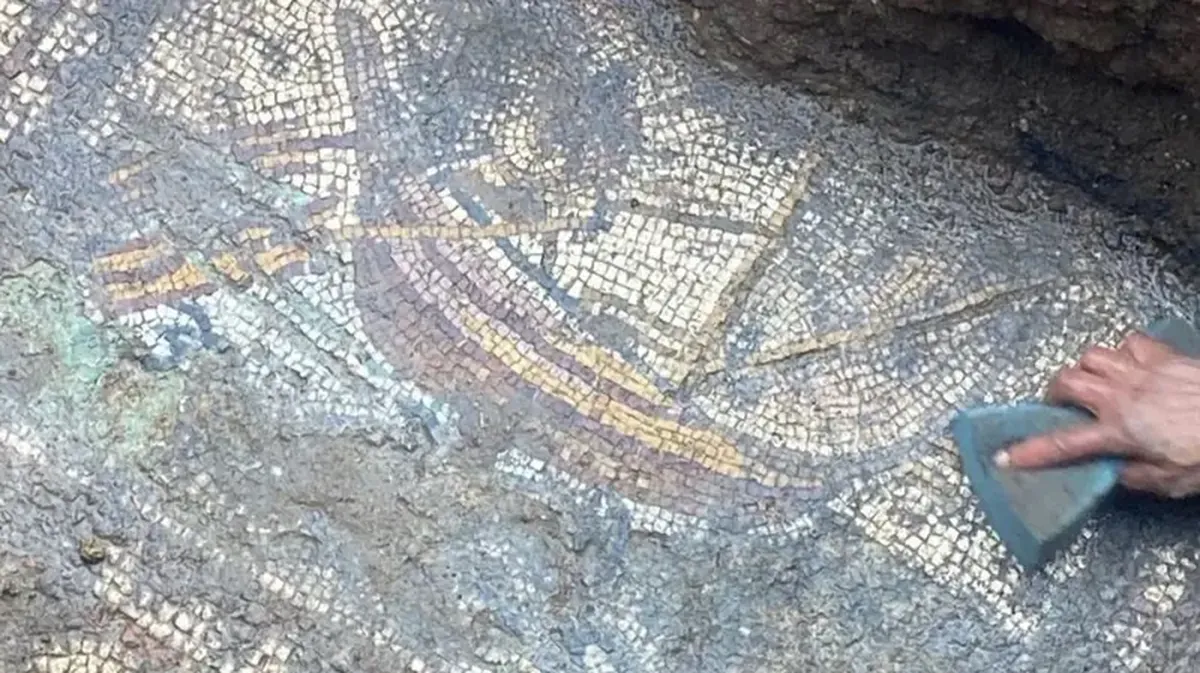
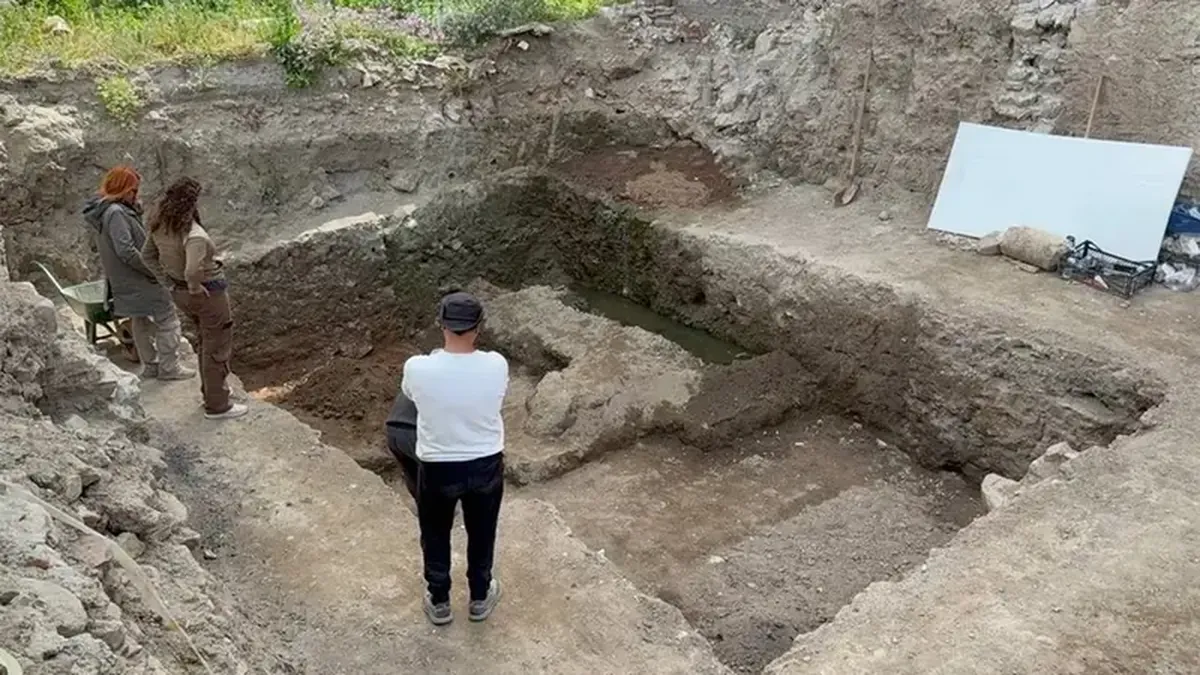
Archaeologists date the mosaics to the early Christian era. A team discovered them during excavations in the Beyler area of İznik (ancient Nicaea). The find, first reported by Ancientist, came just before the visit of newly elected Pope Leo XIV. The discovery has sparked global interest in the city’s spiritual and archaeological heritage.
Experts believe the mosaics, which feature symbols like a ship and a deer, were made between the 1st and 4th centuries AD. Archaeologists and historians suggest these mosaic panels are linked to early Christians.
Divine Sign or Mere Coincidence?
Vatican sources have confirmed that İznik holds immense significance as the site of the First Council of Nicaea.
The discovery comes at a time of heightened attention to İznik, as Pope Leo XIV prepares to visit, fulfilling the wishes of his predecessor, Pope Francis.
This find is especially timely ahead of the 1,700th anniversary of the First Council of Nicaea, which Christians will commemorate in 2025. Convened in 325 AD by Emperor Constantine, the council played a crucial role in defining Christian doctrine, including the Nicene Creed.
Researchers said the excavation site sits near a location believed to be associated with Maximus Decimus Meridius, the fictional central character from the Oscar-winning film “Gladiator.”
With growing international interest in İznik’s history, experts and cultural figures have renewed calls to grant the city and its archaeological sites UNESCO World Heritage status.
The recent mosaic discovery isn’t the only find tied to İznik’s early Christian past. On April 29, a local treasure hunter claimed to have identified the true location of the First Council of Nicaea—a claim that, if verified, could resolve a centuries-old mystery. That claim still needs scientific validation, but it has reignited international interest in İznik.
