
 Gaby
Gaby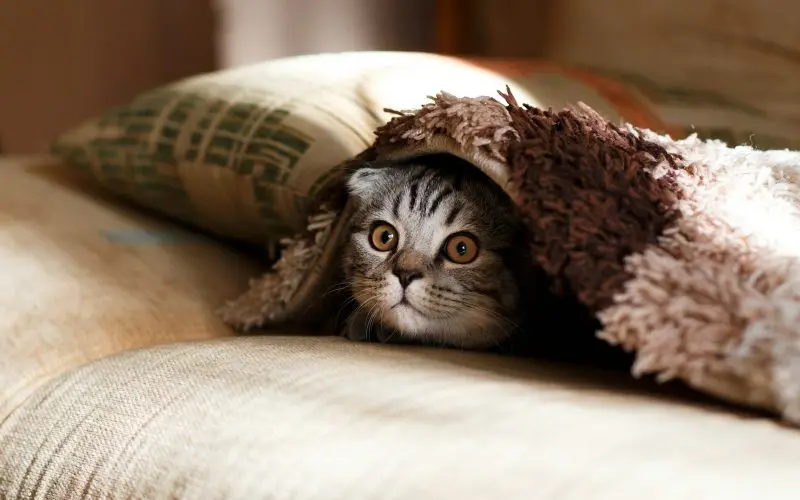
The cause of idiopathic cystitis in cats (IC) remains a mystery. However, researchers think that increased anxiety in these animals should prompt a health check. Idiopathic cystitis is a non-infectious inflammation of the bladder. Although its symptoms often resemble those of an infectious lower urinary tract disease, IC can develop without any obvious cause and regardless of the pet’s age, sex, or breed. Affected cats strain while urinating, produce small amounts of urine (sometimes with blood), and often cry out during the process. Unlike cases caused by bacterial infections, urine samples from cats with IC are sterile. A timely, accurate diagnosis can relieve their pain and help them recover quickly, Science Alert reported.
Previous studies suggest the condition originates in interactions between the nervous system and the endocrine system. Specifically, there may be an imbalance in adrenaline-related signaling. This idea holds that excessive adrenaline release damages nerve connections in the bladder wall, exposing sensory nerves and causing inflammation and pain. While the theory isn’t fully proven, the involvement of adrenaline points to a psychological component — possibly a cause as well as a signal of IC.
What did the researchers discover? A team of veterinary researchers from the University of Montreal contacted owners of cats diagnosed with IC and asked them to complete a questionnaire about their animals’ behavior and any disease recurrences. Analyzing 33 survey responses, the team found a clear difference between cats that had only one IC episode and those that experienced recurrences. More than half of the cats that had only one episode were skittish around strangers, unlike the cats that had multiple episodes. Lead author Marion Demarchelier says the researchers initially expected cats with IC to show aggressive behavior. Instead, they tended toward anxiety and withdrawal.
Veterinarians now say IC should be seen more as a consequence of a cat’s mental state than simply a bladder disorder. The researchers suggest that helping anxious cats feel calm and safe could lower the risk of urinary tract inflammation. Practical calming strategies include offering several safe hiding spots the cat can use to retreat from household activity, and trying pheromone therapy to reduce stress. The team advises owners to watch their cats closely when strangers are present, since fear and anxiety can affect a cat’s health more than many people realize. The results of the study were published in the Journal of Veterinary Behavior.
