
 Gaby
Gaby
A large international study confirms it’s never too late to rethink your diet.
Professor Lars Tøndnes, lead researcher at the University of Bergen in Norway, said, “Healthy eating can prevent premature death from heart attacks and strokes.” They found that eating nutritious foods could increase average life expectancy by more than eight years.
The study used the UK’s National Health Service (NHS) dietary recommendations from the Eatwell Guide.
The researchers wanted to see how closely Britons’ actual eating habits match those recommendations. Earlier data weren’t optimistic. The average Briton drinks about half a liter of sugary beverages a day, eats 50 grams of processed meat — roughly six slices of bacon — and 100 grams of red meat.
Experts estimate that unhealthy eating causes more than 75,000 premature deaths among Britons each year, the Daily Mail reports.

What the Study Found
The team analyzed dietary data from 467,354 participants in the UK Biobank.
They looked at participants’ diets, tracked ages at death, and identified eating patterns linked to longer lifespans.
The 20 percent of participants with the least healthy diets were the most likely to die prematurely. They typically ate only small amounts of vegetables, fruit, whole grains, nuts, legumes, fish, white meat, milk, and other dairy products. Many avoided healthy foods altogether.
In contrast, those people ate large amounts of processed meat, sugary drinks, eggs, and refined grains (such as white bread, white rice, and cookies).
But when middle-aged participants switched to a healthier diet, they could substantially increase their chances of living longer.
For example, a 40-year-old woman who switched from a typical unhealthy British diet to the Eatwell Guide recommendations could expect to live about eight years and seven months longer — from 77 to 86.
A similar shift would extend the life of a 40-year-old man by nearly nine years, from an expected 74 to 83.
The biggest gains came for people who followed the healthiest diet in the study.
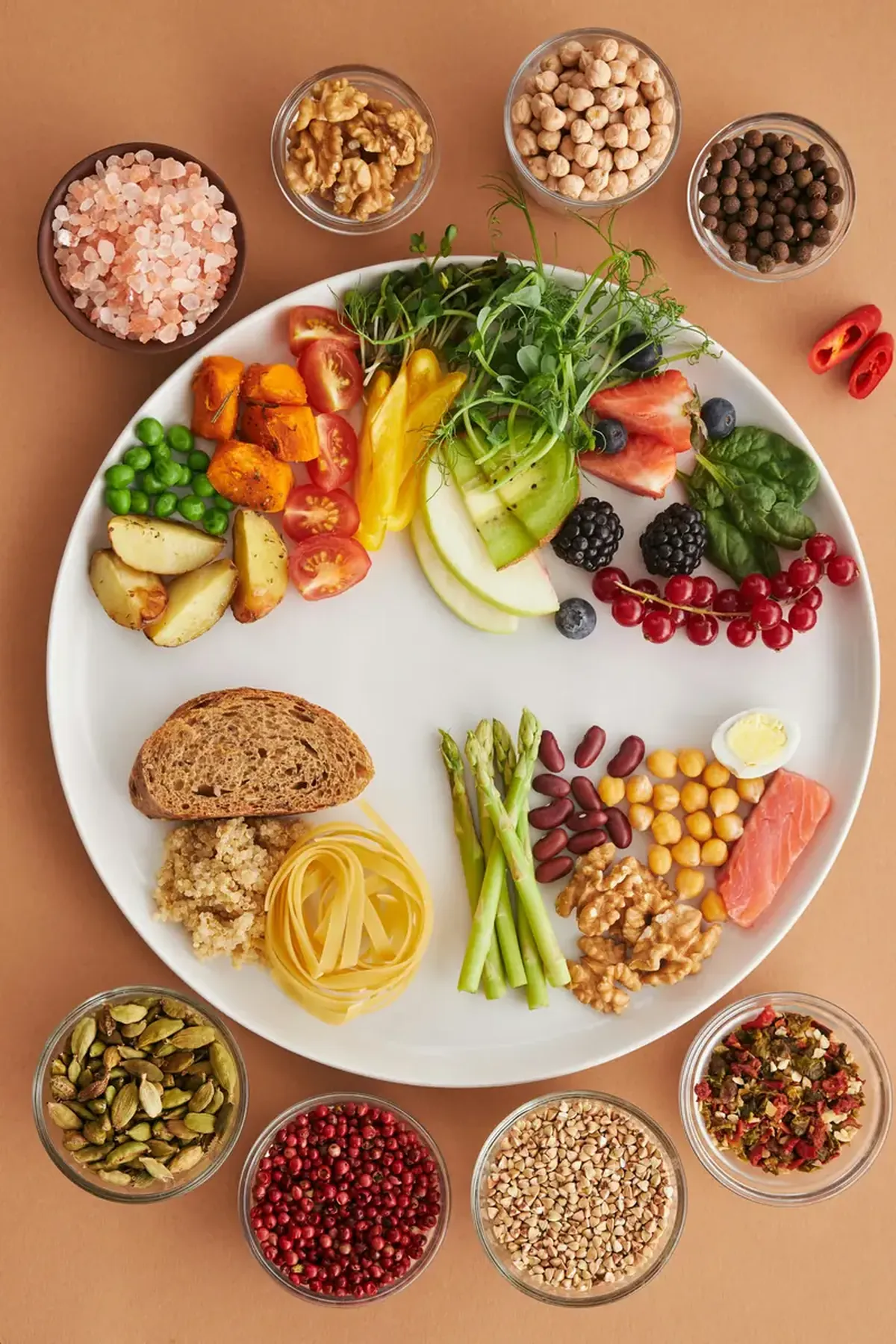
That group ate lots of vegetables, nuts, legumes like lentils and chickpeas, and dairy. They ate very little processed meat and refined grains, and limited red meat, eggs, and sugary drinks.
What to Eat for a Longer Life
This pattern mostly matches NHS advice. The Eatwell Guide recommends cutting back on sugary drinks and processed meats like sausages and bacon, and eating more nuts and whole grains — whole-grain bread and cereals included.
The NHS recommends five portions of fruit and vegetables a day, adequate starchy and protein foods, and avoiding foods high in fat, salt, and sugar.
The study’s findings were published in the journal Nature Food.
