
 Gaby
Gaby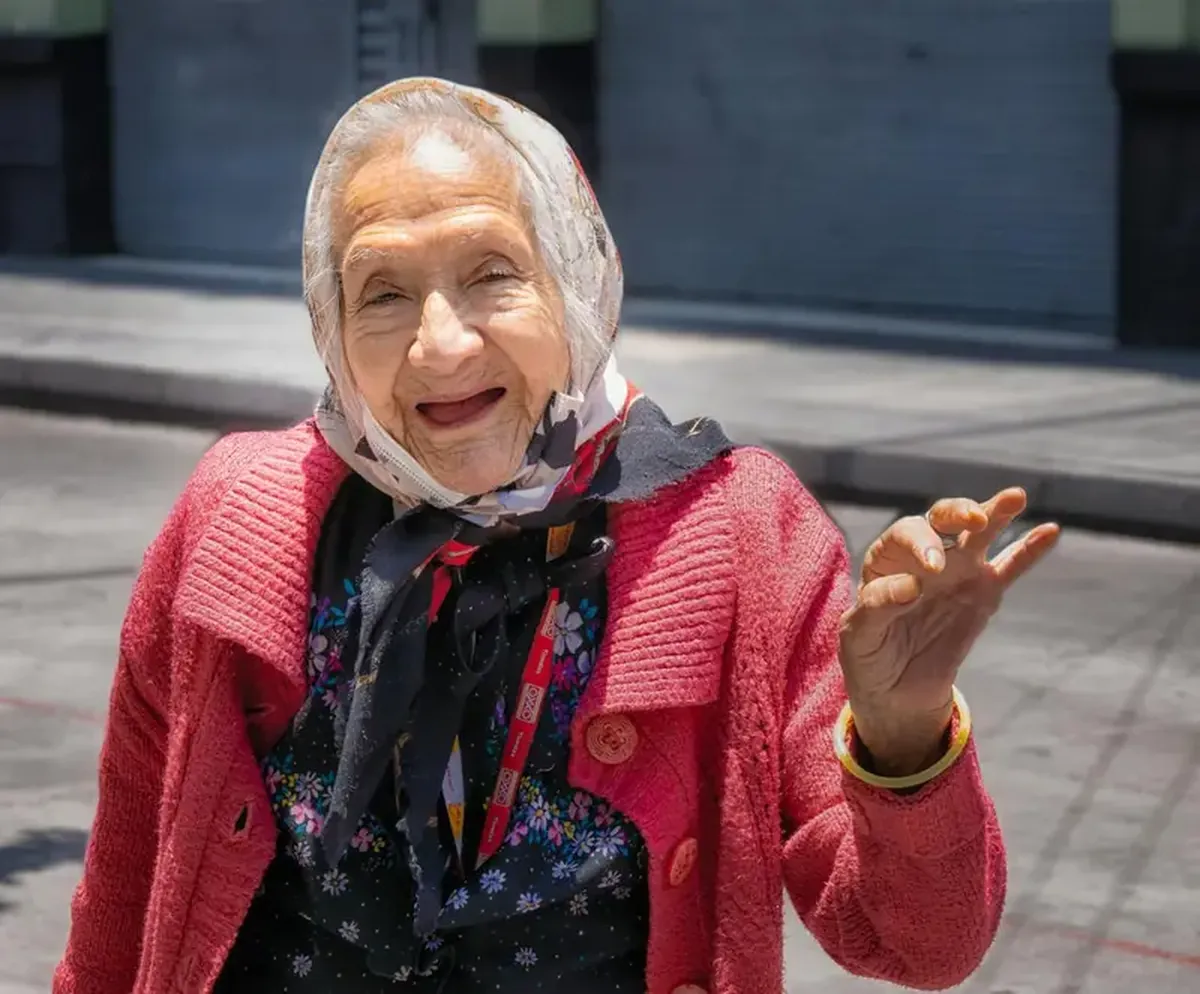
Richard Faragher, a professor of biogerontology at the University of Brighton in the UK, says there are two main theories that explain longevity. These theories are not mutually exclusive.
First, he says, some people are essentially just lucky. That means the fact that centenarians have certain habits doesn’t prove those habits are what determine their long life (a logical fallacy known as the “survivorship bias”).
“Just because someone survived smoking 60 cigarettes a day doesn’t mean smoking 60 cigarettes a day is good for you,” Professor Faragher said.

The second theory, he says, is that centenarians possess certain genetic traits that allow them to live longer than others. In other words, they are more resilient because of their genetics.
He says both theories point to one lesson: “Never, ever take health and lifestyle advice from a centenarian!”
Why You Shouldn’t Listen to Longevity Advice
Professor Faragher said that most centenarians “don’t exercise much.” Their diets are often unhealthy, and some are even heavy smokers.
“This contradicts much of the epidemiological data we have on how to extend healthy lifespan,” he said. He added that scientific evidence shows that “quitting smoking, exercising, drinking alcohol in moderation, and eating five servings of fruits and vegetables a day can increase lifespan by 14 years.”
Faragher pointed out that the fact many centenarians engage in unhealthy behaviors and simply go with the flow suggests they are either lucky or have unusually strong genetics.
He emphasized that when researchers study centenarians, they often focus on what may have helped those people survive while overlooking factors that might have shortened their lives, The Guardian reports.

The Race for a Long Life
Gerontologists point to well-known factors that extend lifespan at the population level, such as improved healthcare and better hygiene.
“About 100 years ago, scientists began to observe a significant increase in lifespan, driven by falling child mortality,” said David Sinclair, CEO of the International Longevity Center. He added that this change was mainly due to vaccinations and clean water.
In recent years, researchers studying older adults’ longevity have highlighted the role of improved flu and shingles vaccines, statins, and other medications.
At the same time, researchers say governments need to take steps to help people live longer. A large share of the population lives in conditions that don’t encourage exercise, good nutrition, or basic hygiene.

However, living to 100 doesn’t guarantee a life full of balloons and birthday cakes. Sinclair says headlines about centenarians can be upbeat, but many of those people face real challenges, like living alone for many years.
“Reality isn’t always as positive as it seems,” he said.
