
 Gaby
Gaby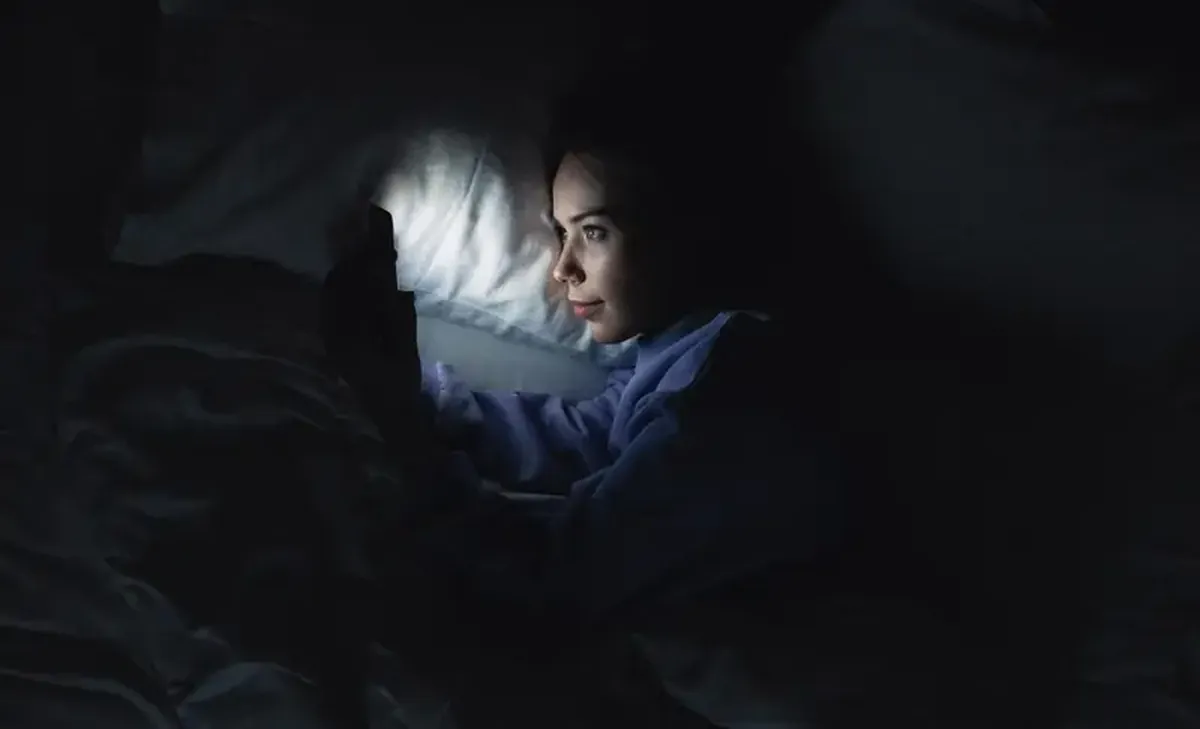
Researchers at Monash University in Australia conducted the largest study yet on artificial light at night and mental health.
The study found that exposure to light at night disrupts the internal biological clock and harms mental well-being. It increases the risk of developing depression, while regular exposure to natural daylight lowers that risk.
Our biological clock, or circadian rhythm, regulates our sleep-wake cycles in response to changes in light. Other factors — physical activity, social engagement, and temperature — can also disturb circadian rhythms, but light has the strongest effect.
What the Researchers Discovered
For the study, researchers used UK Biobank data from 86,772 adults. They assessed participants’ exposure to light, sleep quality, physical activity, and mental health.
The analysis showed that participants exposed to high levels of artificial light at night had a 30 percent higher risk of developing depression. In contrast, participants who got a lot of natural light during the day had a 20 percent lower risk, according to New Atlas.
Similar patterns appeared for self-destructive behavior, psychosis, bipolar disorder, generalized anxiety disorder, and post-traumatic stress disorder.
The authors accounted for demographic factors, physical activity, sleep patterns, work hours, living conditions, and participants’ cardiometabolic health in their analysis.
Simple Steps to Strong Mental Health
Shawn Kane, a co-author of the study, says the findings could have a big impact on society. Once people understand how deeply light affects mental health, they can take a few simple steps to feel better. At a minimum, turn off lights at night to restore the darkness the brain needs.
The report says modern life — lamps, phones, computers, and television screens — has thrown our circadian clocks out of sync. We increasingly forget that we perform best in bright daylight. Kane says this challenges our biology, disorienting our bodies and contributing to poorer health and higher rates of depression.
The team says avoiding artificial light at night and getting natural light during the day could be a simple, effective nonpharmaceutical way to boost mental health. The study was published in the journal Nature Mental Health.
