
 Carlos Solis
Excessive alcohol consumption and smoking have become common companions of the modern weekend. Instead of relaxation, people who indulge often end up grappling with severe symptoms of obstructive sleep apnea.
Obstructive sleep apnea syndrome (OSAS) is characterized by complete cessation of breathing or a partial reduction in airflow due to relaxation of the muscles at the back of the throat. This leads to narrowing or closure of the airways. OSAS is most common in older adults and in people who are overweight or obese.
Now, researchers from Flinders University in Australia found that the severity of this condition increases on weekends. They link the change to lifestyle factors — particularly alcohol and tobacco use — and to disrupted sleep patterns. The researchers have dubbed the phenomenon “social apnea,” The Guardian reports.
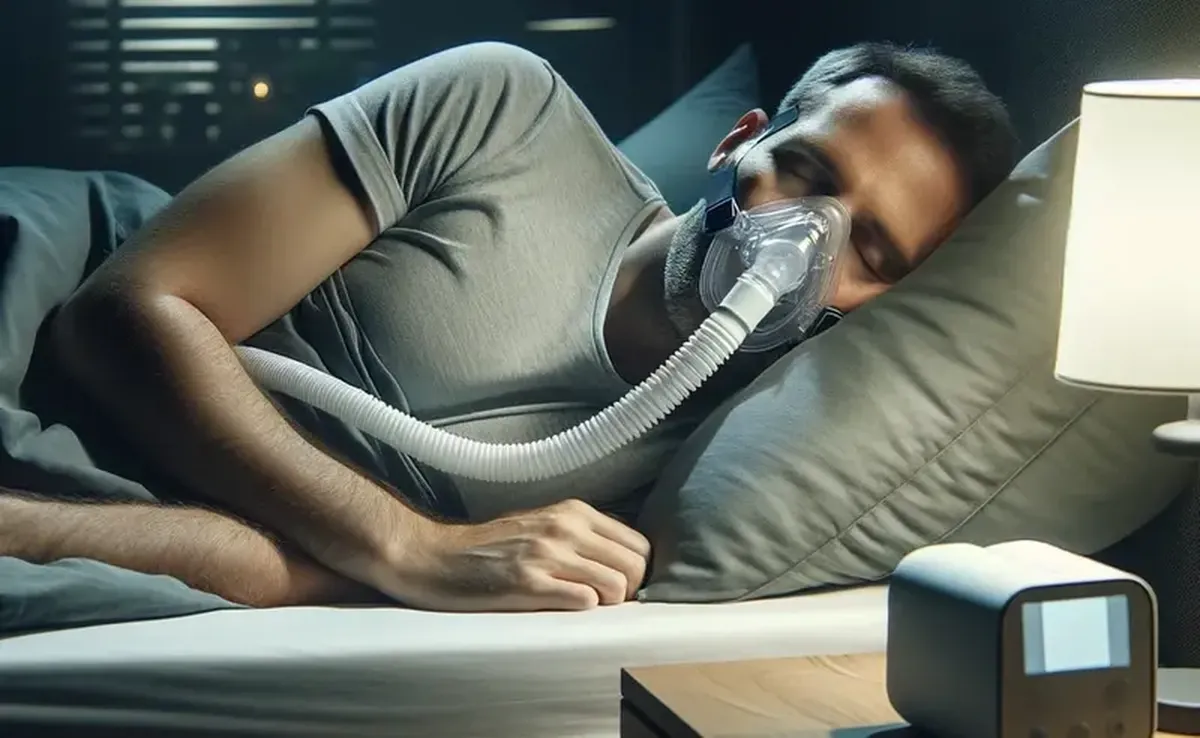
Weekend Syndrome
“People drink more on weekends. And if they smoke, they tend to do it more frequently during this time,” said Professor Danny Eckert, a co-author of the study.
The university team highlighted that OSAS raises the risk of stroke, hypertension, and type 2 diabetes, while also causing daytime drowsiness, straining relationships, and reducing quality of life.
Eckert and his colleagues analyzed anonymous data from 70,052 individuals, most of whom were middle-aged men with sleep apnea. All participants had a sensor placed under their mattress that tracked heart rate, snoring, and apnea during sleep.
When the researchers analyzed the recordings, they found that the likelihood of experiencing moderate to severe sleep apnea — defined as 15 or more breathing stoppages per hour — was 18 percent higher on Saturdays compared with Wednesdays. The effect was strongest in men around age 60. Going to bed later on weekends also increased the chances of more severe OSAS.
Ryan Chin Tau Chong, an otolaryngology consultant at the Cleveland Clinic in London, emphasized that this is the first study to examine how apnea severity varies across the week. He agreed that smoking and alcohol make apnea worse and said addressing those behaviors should be an early step in treatment.
“With the best intentions, we can provide medical care. But if you abuse alcohol or smoke heavily, treatments will only go so far,” Chong said.
The study’s findings were published in the American Journal of Respiratory and Critical Care Medicine.
Photo: pixabay.com
